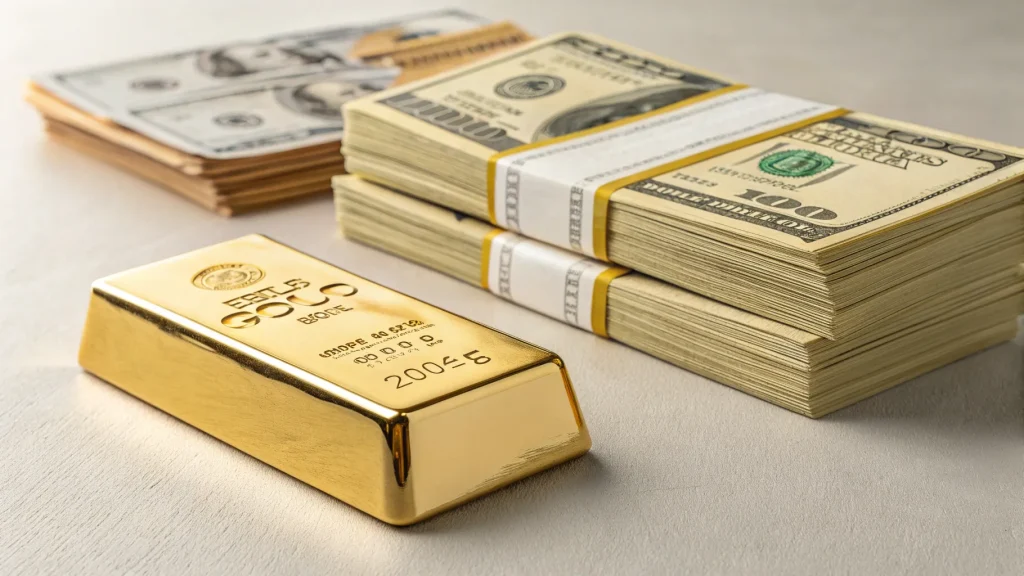
Gold is once again in the spotlight as investors ask whether it can still defend buying power in an inflationary cycle. Traders are scanning daily moves and sentiment for clues on how strong that shield really is, and what it might mean for savings and policy.
The question is simple but loaded: does the metal rise when prices at the store keep climbing? Many investors think so, but history shows a mixed record. Today’s action offers a timely check on that belief and a reminder that hedges work best when you know what they hedge against.
“Trends in gold prices could indicate whether the asset can protect against inflation. Here’s a look at how the precious metal is doing today.”
Why Gold and Inflation Interact
Gold has long been treated as a store of value. It is scarce, easy to trade, and not tied to any single government. When people fear that money will buy less tomorrow, they often turn to hard assets.
In the 1970s, high inflation and energy shocks helped fuel big gains in gold as households and funds sought shelter. That period built the metal’s hedge reputation. More recently, during market stress and loose monetary policy, gold often drew inflows as a perceived safe asset.
But the link is not perfect. Real interest rates, the strength of the dollar, and central bank buying can push prices up or down regardless of consumer prices. That is why short-term moves matter for reading the signal.
Signals Investors Are Watching
Analysts say the inflation hedge case grows stronger when several signals line up at once:
- Rising gold alongside hot inflation data and falling real yields.
- Weakening dollar, which makes gold cheaper for non-U.S. buyers.
- Net inflows into gold-backed funds and sustained central bank purchases.
- Steady price gains across weeks, not just a brief spike.
If gold stalls while inflation runs, it may be reacting to higher real rates or a firmer dollar. In that case, the hedge signal looks weaker, at least for now.
Competing Forces Shaping Price Moves
Monetary policy sits at the center of gold’s tug-of-war. When policymakers raise rates to cool prices, yields on cash and bonds improve. That can draw money away from a metal that pays no income.
At the same time, geopolitical risk and financial stress can lift demand even when rates are high. Central banks, especially in emerging markets, have also become steady buyers as they diversify reserves.
The dollar matters too. A stronger dollar often weighs on gold because it is priced in dollars. When the dollar softens, foreign demand can pick up and support prices.
What History Suggests—and What It Does Not
History suggests gold can help in long inflation waves and in sharp crises. It has also lagged in stretches when inflation was modest but real rates were rising. That mix explains why the metal inspires both devotion and doubt.
For households, the key lesson is time frame. Over a few days or weeks, gold can be volatile and trend with headlines. Over years, it has at times kept pace with price growth, but not in a straight line.
Portfolio Takeaways
For savers, size and purpose matter. A small allocation can hedge surprise inflation or stress. A larger bet raises exposure to swings driven by rates and currency moves.
Some investors pair gold with assets that benefit from higher rates, like short-term bonds, to balance the push and pull. Others use gold as a diversifier rather than a pure inflation play.
As daily prices move, the signal for inflation protection will become clearer if gains persist while real yields fall and the dollar eases. If instead gold chops sideways while policy stays tight, the hedge case may wait for a new catalyst.
For now, the metal’s role remains what it has long been: a useful tool when used with care. Watch inflation data, real yields, the dollar, and fund flows. If they point in the same direction, gold’s message on inflation will be hard to miss.
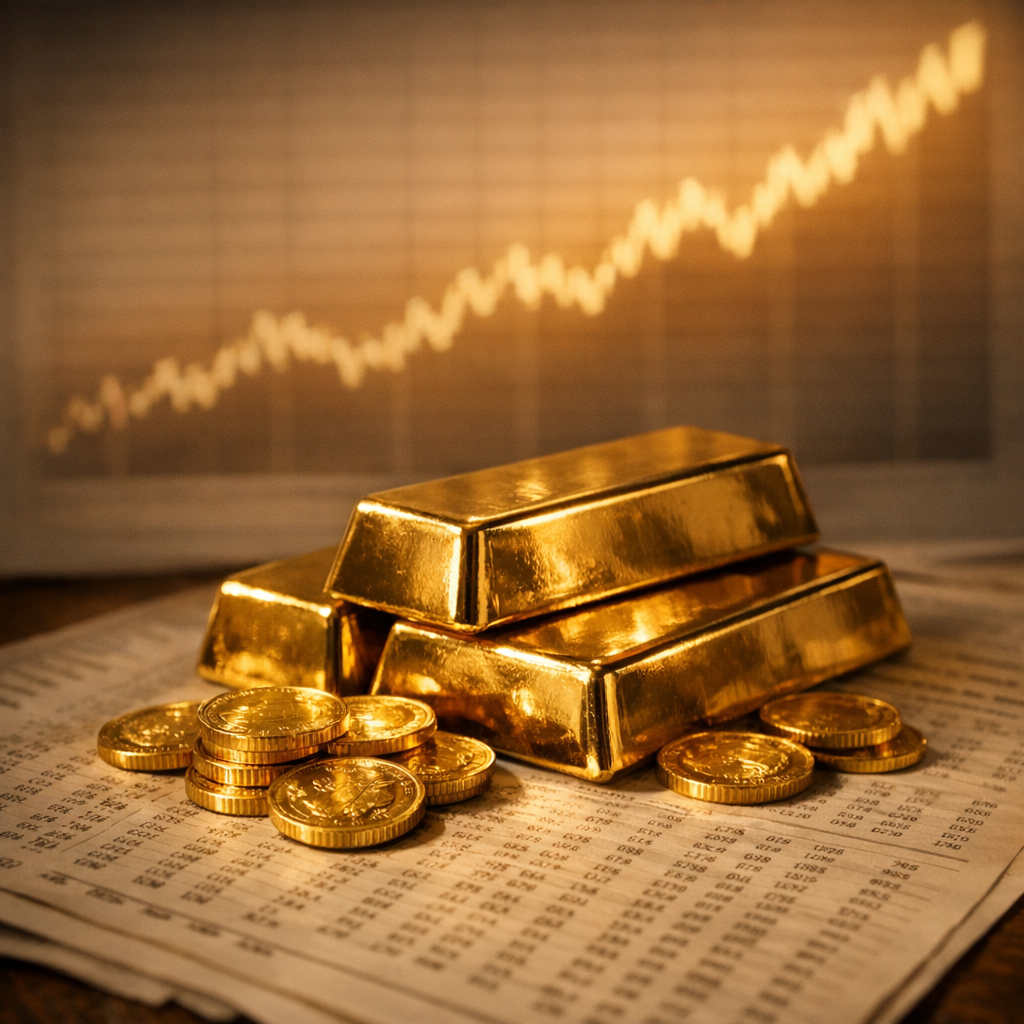
Is Gold a Good Inflation Hedge? A Practical Guide
Whether gold protects your purchasing power depends less on any single day’s price and more on the forces moving it: real interest rates, the strength of the dollar, and central-bank demand. Treating gold as one tool among many, rather than a guaranteed shield, is the most reliable way to use it.
How Investors Typically Hold Gold
There are several ways to gain exposure, each with trade-offs. Physical bullion and coins offer direct ownership but carry storage and insurance costs. Gold ETFs and mutual funds provide easy, liquid exposure inside a brokerage or retirement account. Shares of mining companies add leverage to the gold price but also company-specific risk. If you prefer broad diversification over a single commodity, compare gold against the top index funds for retirement and other long-term investments for retirement.
How Much Gold Makes Sense?
Many advisors frame gold as a modest diversifier rather than a core holding, often only a single-digit percentage of a portfolio. A small allocation can cushion surprise inflation or market stress without exposing you to the full swings driven by rates and currency moves. Pair it with assets that behave differently, such as the higher-return investments for retirement we cover elsewhere, and review broader ways to protect your retirement savings from inflation.
Key Takeaways
Gold has a real but imperfect record as an inflation hedge: it shone during the high-inflation 1970s and in periods of crisis, yet it has lagged when real interest rates rose. Watch inflation data, real yields, the dollar, and fund flows together rather than in isolation, keep any allocation sized to your own risk tolerance, and remember that consistent investing in a diversified mix usually matters more than timing a single asset. Beginners can start with our guide on how to get good investment returns.
Frequently Asked Questions
Does gold always go up with inflation?
No. Gold has historically helped during long inflationary stretches and acute crises, but it can stall or fall when real interest rates rise or the dollar strengthens, even while consumer prices climb. Its protection tends to show up over longer horizons, not week to week.
Is gold or an index fund better for retirement?
They serve different roles. A diversified stock index fund is built for long-term growth, while gold is typically used as a smaller diversifier or hedge. Many retirement portfolios hold mostly diversified funds with, at most, a modest gold allocation rather than choosing one or the other.
How can I add gold to a retirement account?
The simplest route for most people is a gold ETF or mutual fund held inside an IRA or 401(k). Specialized “gold IRAs” that hold physical metal exist but carry extra custodial and storage fees, so weigh those costs carefully. For balanced background, see the Investopedia explainer on why gold has value and the World Gold Council’s research hub.