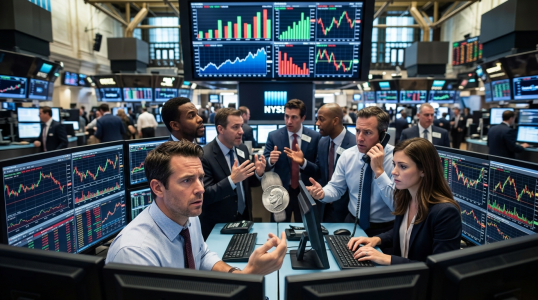
Stocks saw sharp moves by midday yesterday, with investors sorting through fresh headlines, earnings updates, and shifting expectations on interest rates. The midday action, often a preview of the closing stretch, showed pockets of heavy buying and selling as traders reacted to company news and economic signals.
Market watchers said the biggest movers were tied to recent earnings surprises, revised guidance, and sector-specific catalysts. This pattern fits a familiar script. When news hits in the morning, reactions tend to build by noon as more investors digest the details. The result can be quick jumps in price and volume, especially in names with high short interest or heavy options activity.
These are the stocks posting the largest moves in midday trading.
Table of Contents
ToggleWhy Midday Moves Matter
Midday trading often sits between the volatile open and the concentrated rush before the close. Liquidity can be thinner than at the open, yet deeper than in the final minutes. That balance can amplify price swings when fresh news crosses the tape.
Large midday moves can hint at the tone into the close. If buyers keep stepping in, momentum can carry. If sellers dominate, it can signal a weak finish. For portfolio managers, these moves may inform hedges and rebalancing as the session develops.
Typical Catalysts Driving Big Swings
- Earnings beats or misses, especially when forward guidance changes.
- Analyst upgrades or downgrades that shift sentiment on a stock or sector.
- Economic data on jobs, inflation, or consumer spending that affects rate expectations.
- Company-specific headlines, such as product launches, legal rulings, or executive changes.
- Moves in commodities or currencies that ripple into energy, materials, or multinational names.
Many of these triggers arrive before the open, but the market often needs hours to price the new information. That is why the largest movers can emerge around lunchtime instead of right at the bell.
Earnings Season’s Outsized Role
Earnings cycles tend to magnify midday moves. A surprise revenue line or a guidance tweak can reset expectations for a whole sector. Traders watch how management frames costs, pricing power, and demand. One sentence in a call can swing a stock several percent by midday, then even more by the close.
Options positioning can fuel the swings. When implied moves are off the mark, dealers and funds may need to adjust hedges. That can push prices faster in the same direction, at least until the new balance is found.
Reading the Tape Without Overreacting
Volatility can tempt quick trades, but not every midday jump has staying power. Seasoned investors look for confirming signals, such as sustained volume, broad sector participation, or supportive news across the supply chain. If a move rests on thin headlines or social buzz, it may fade into the afternoon.
Risk control matters most when prices run hot. Tight stops, smaller position sizes, and patience can help avoid chasing. For longer-term investors, midday dislocations sometimes offer entries or exits when the narrative outruns the numbers.
What to Watch Into the Close
The final hours often decide whether midday leaders hold gains or give them back. Closing auctions, index fund flows, and late-breaking headlines can change the tape quickly. If the market is rallying on strong breadth and rising volume, leaders may extend higher. If depth thins and sellers reappear, gains can evaporate.
Investors will keep an eye on the next batch of economic data and company updates. Rate expectations remain a swing factor, and any new signal from policymakers can reset pricing across sectors. Earnings calls later this week could also shift momentum for the largest names, pulling indexes with them.
For now, the message is simple. Midday moves highlight where conviction lives, at least for the moment. The close will test that conviction. Watch volume, guidance, and sector trends. The next headline could be the one that sticks.