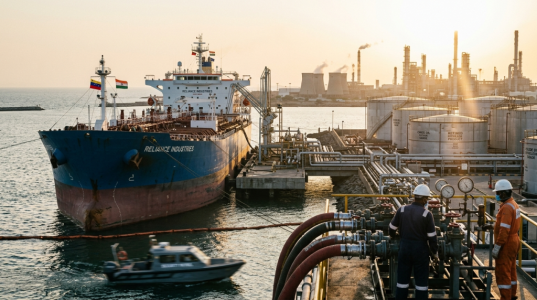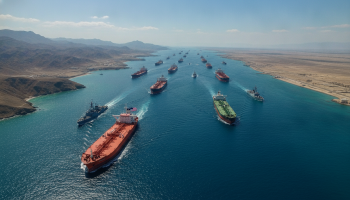
Maritime traffic through the Strait of Hormuz has increased in recent days, even as regional fighting drags on and risks remain high. Shipments of oil and fuel are moving again along the narrow chokepoint between Oman and Iran, while the United States says its navy helped guide some tankers through the waterway to lower the chance of attacks.
The pickup, reported this week, signals that exporters and shipowners are testing a return to regular schedules. It also shows how critical supplies continue to move despite threats that often ripple into energy prices and insurance costs.
Table of Contents
ToggleA Chokepoint With Global Stakes
The Strait of Hormuz is the main sea route for Gulf oil and liquefied natural gas. Any disruption can hit buyers from Asia to Europe within days. Shippers usually adjust course quickly when risk rises, but delays and detours carry a price.
Analysts say that even short slowdowns can push freight rates higher. Insurers may add war-risk premiums when security alerts climb. Refiners then face tougher choices on timing and sourcing.
Recent history offers a stark reminder. Tanker attacks in 2019 forced companies to rethink routing and escorts. During the late 1980s, the United States reflagged and protected tankers during the so-called Tanker War, a move that stabilized flows but raised the stakes.
Security Escorts And Signals
Officials in Washington say naval presence helps deter threats and reassure crews. The reported escorts suggest coordination with shipowners and regional partners to manage time slots and transit windows.
Shipping across the crucial Strait of Hormuz has picked up in recent days despite a continuation of hostilities in the Middle East, with the US claiming its navy escorted some tankers across the waterway.
Maritime security experts note that escorts can reduce the chance of harassment or sabotage, but they do not eliminate risk. Iran has at times seized or held vessels near the strait, citing legal disputes or sanctions. That history feeds caution among operators, even when traffic rises.
Industry Response And Market Effect
Shipowners weigh three variables: crew safety, hull and cargo insurance, and contract deadlines. If escorts shorten delays, the math can favor sailing. If threats spike, owners can pause bookings or seek alternate ports.
- Higher war-risk premiums tend to lift delivered fuel costs.
- Longer routes increase voyage times and cut available capacity.
- Stable passages calm freight markets and refinery planning.
Energy traders watch the strait closely because even rumor can move prices. A steadier flow often cools panic bids. But one incident can flip sentiment fast.
Regional Dynamics And Diplomatic Pressure
Gulf states depend on smooth exports, so they press major powers to keep the route open. The United States and European partners often coordinate patrols and share intelligence with coastal states. That cooperation ebbs and flows with politics on land, where clashes and proxy fights can spill onto shipping lanes.
For importers, diversification is a shield. Some build stockpiles. Others line up extra cargoes from the Atlantic Basin when Gulf flows look shaky. Those tactics soften shocks but cannot replace the scale that the strait provides.
What To Watch Next
Mariners and markets will track three signals in the coming days. First, the number of daily transits, which shows whether the pickup is holding. Second, notices from maritime security groups, which flag new tactics or hotspots. Third, insurance guidance, which reveals how underwriters judge the risk curve.
Any confirmed attack or seizure could reset the calculus. A clear run of safe passages would build confidence and trim costs. The line between the two is thin.
For now, tankers are moving, and escorts are present. That combination points to a fragile stability built on vigilance and coordination. If it lasts, refiners and consumers may see calmer weeks ahead. If it breaks, the strait will again test the world’s supply chain nerves.