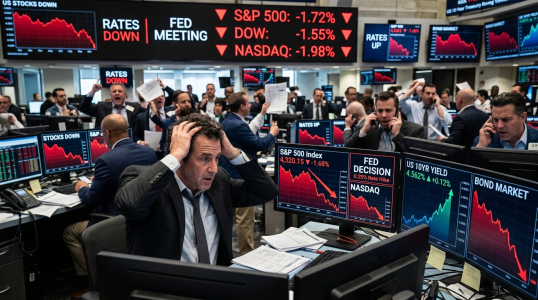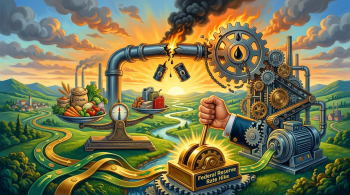
Markets placed a 93% chance on a Federal Reserve rate hike ahead of its decision. Yet the economic case was less clear than the odds suggested. Headline inflation stood at 3.4%, but oil appeared to explain much of that pressure. This distinction matters because higher interest rates cannot repair an oil supply disruption.
I am Taylor Sohns, CEO of LifeGoal Wealth Advisors, a Certified Investment Management Analyst and a Certified Financial Planner. My focus here is simple: separate what the Fed is expected to do from what current inflation data may justify.
Table of Contents
ToggleThe Market Expects a Rate Hike
A 93% probability shows that traders had almost fully priced in a rate increase. That estimate does not guarantee an outcome. It reflects the collective position of investors trading interest-rate contracts and related securities.
Markets care about both the decision and the gap between the decision and expectations. If nearly everyone expects a hike, then a hike may create a limited immediate reaction. Prices may already reflect it.
An unexpected decision could have a much larger effect. If the Fed holds rates steady despite a 93% implied chance of a hike, bond yields, stocks, and currencies may move quickly.
The key figures behind the debate were:
- A 93% market-implied probability of a rate increase.
- Headline inflation running at 3.4%.
- Inflation near 2.4% after removing the effect attributed to oil.
- A historical tendency to avoid surprises once hike odds rise above 60%.
These numbers point in different directions. Market pricing supports a hike. The inflation breakdown raises doubts about whether higher rates address the current problem.
View this post on Instagram
Oil Changes the Inflation Story
Headline inflation measures broad changes in consumer prices. It can rise because demand is strong, supply is limited, or both conditions occur together.
Oil affects much more than prices at the gas pump. It influences shipping, aviation, farming, manufacturing, plastics, and chemical production. Rising energy costs can spread through many parts of the economy.
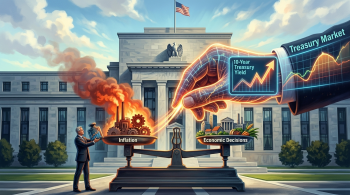
Headline inflation was 3.4% in this case. After backing out the oil-related increase, the rate was about 2.4%. That adjusted figure sits much closer to the Fed’s 2% inflation goal.
This does not mean oil prices should be ignored. Households still pay higher fuel and transportation costs. Businesses may also pass those expenses to customers.
It does mean policymakers should identify the source of inflation before choosing a response. Inflation caused by heavy consumer demand differs from inflation caused by blocked energy supplies.
“A rate hike isn’t going to open the Strait of Hormuz and allow oil to flow through.”
That sentence captures the central issue. Monetary policy can reduce borrowing and spending. It cannot resolve a shipping restriction, protect tankers, increase oil production overnight, or settle a conflict.
What Higher Rates Can Actually Do
The Federal Reserve raises interest rates to make credit more expensive. Higher borrowing costs can slow home purchases, business investment, auto sales, and other interest-sensitive activity.
Slower demand can reduce the pressure on businesses to increase prices. It may also cool wage growth if hiring weakens. Those effects often take months to spread through the economy.
A rate increase can therefore help if demand is pushing prices upward across many categories. It is less direct when one supply shock drives most of the increase.
If oil is the main source of inflation, a hike may weaken unrelated parts of the economy without fixing energy supply. Consumers could face high fuel prices and more expensive loans at the same time.
There is still a reason for the Fed to respond. Officials may worry that a temporary oil shock will affect expectations. Workers may seek larger raises, while companies may set higher prices in anticipation of continued inflation.
The Fed may also want to protect its credibility. If officials appear passive while headline inflation rises, investors could question their commitment to price stability.
I would frame the trade-off this way: the Fed must weigh the direct limits of its tools against the risk that energy inflation spreads into the wider economy.
Why the Fed Usually Avoids Surprises
Federal Reserve officials prepare markets through speeches, meeting minutes, economic projections, and public guidance. Clear signals reduce the chance of disorderly trading after a policy decision.
Historically, once the estimated odds of a rate hike move above 60%, the Fed tends not to surprise the market. With the probability at 93%, a hike would follow that pattern.
This does not mean the Fed takes instructions from traders. It often means policymakers and markets have read the same data and public signals in similar ways.
A surprise can also tighten or loosen financial conditions before officials have explained their reasoning. That may create avoidable volatility in Treasury yields, mortgage rates, stock prices, and the dollar.
For that reason, the expected hike remained the most likely outcome even if oil weakened the economic argument for it.
The Warsh Wild Card
Warsh introduced uncertainty into an otherwise heavily priced decision. The question was whether he would follow market expectations or take a more independent path.
That choice matters because monetary policy depends on judgment as well as data. Two policymakers can look at the same inflation report and reach different conclusions.
One may focus on headline inflation and the danger of letting price growth remain above target. Another may focus on the oil shock and argue that interest rates cannot repair the source of the increase.
Describing Warsh as a “cowboy” reflects the possibility of an unexpected move. It does not establish what he will decide. Investors still need to separate personality-based speculation from evidence in the policy statement.
The wording after the decision may matter as much as the rate change itself. Markets will seek answers to several questions:
- Does the Fed describe oil inflation as temporary?
- Are officials worried that energy costs will spread to other prices?
- Is the hike presented as a single adjustment or part of a longer cycle?
- How does the Fed describe growth, employment, and future risks?
How Investors Can Read the Decision
Investors should not react to the headline alone. A widely expected hike can be paired with cautious guidance. A surprise pause can also include a warning that rates may rise soon.
Bond markets may respond to the expected path of future policy. Short-term Treasury yields often track Fed expectations closely. Longer-term yields also reflect growth and inflation forecasts.
Stocks may initially fall on a hike because higher rates raise financing costs and reduce the present value of future earnings. Yet they can recover if the Fed signals that further increases are unlikely.
Energy prices require separate attention. If oil remains elevated because of restricted flows through the Strait of Hormuz, monetary policy may have little immediate effect on that market.
Households should avoid making major financial changes based on one meeting. A single decision rarely determines the full path of mortgage rates, savings yields, or investment returns.
Instead, focus on inflation trends, labor data, oil supply, and the Fed’s guidance. Those signals offer more value than trying to predict a short market move.
The expected rate hike highlights a basic policy problem. Inflation can be above target even when demand is not the main cause. Higher rates may limit wider price pressure, but they cannot reopen an energy route.
My final view is that the hike was likely because markets had assigned it a 93% probability and the Fed usually avoids late surprises. The stronger question was whether it was the right tool for oil-led inflation. Investors should judge the decision by its reasoning and future guidance, not only by the rate announcement.
Frequently Asked Questions
Q: Why would the Fed raise rates if oil caused inflation?
Officials may fear that higher energy costs will spread into wages, services, and inflation expectations. A hike can restrain general demand, though it cannot increase oil supply.
Q: Does a 93% probability guarantee a rate increase?
No. It shows what financial markets expect based on available data and Fed communication. Policymakers can still choose a different course.
Q: What should investors watch after the announcement?
Watch the policy statement, comments about oil, and guidance on future rates. Bond yields and the dollar may also show how markets interpret the decision.