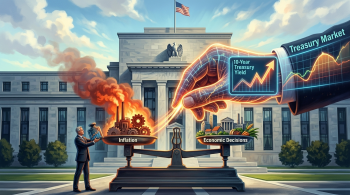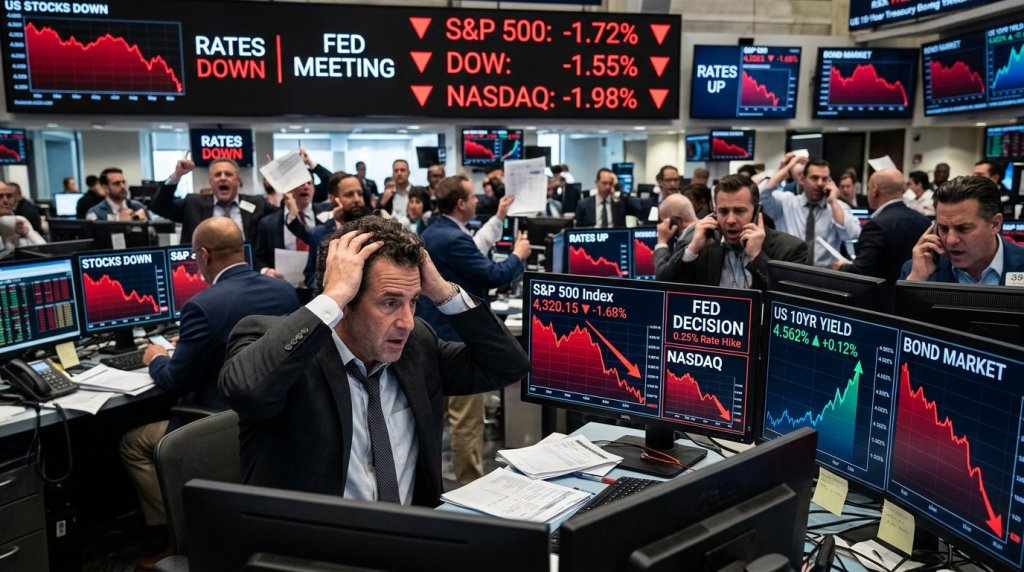
Interest rates rose while stocks and bonds fell after the Federal Reserve meeting. The rate decision itself was not the surprise. Investors reacted to signs that another rate hike could come before year-end and that borrowing costs may stay high longer.
As CEO of LifeGoal Wealth Advisors, a Certified Investment Management Analyst, and a Certified Financial Planner, I view this reaction as a lesson in expectations. Markets often move less on what happened and more on how new information compares with prior forecasts.
Table of Contents
ToggleThe Fed Decision Was Already Expected
Investors entered the meeting with a general idea of what the Federal Reserve would do. That expectation had already influenced stock prices, bond yields, and interest-rate forecasts.
This is a key feature of financial markets. Prices reflect current conditions, but they also account for what investors believe will happen next. A widely expected decision may produce little movement on its own.
The meeting still triggered a broad sell-off because the Fed gave investors two pieces of information they had not fully priced in:
- The Fed’s projections showed that 16 of 18 officials expected another rate increase before year-end.
- Fed officials maintained a firm stance that inflation remained too high.
Together, those messages suggested that monetary policy could stay restrictive for longer than many investors hoped. That changed the outlook for interest rates, company profits, and bond values.
Markets knew the Fed was prepared to hold a firm line. They were less prepared for how clearly officials supported another increase and rejected an early victory over inflation.
View this post on Instagram
Why the Dot Plot Mattered
The Federal Reserve publishes a chart commonly called the dot plot. Each dot represents one official’s projection for the appropriate federal funds rate at the end of a given year.
The chart is not a promise. Officials can revise their views as employment, inflation, consumer spending, and economic growth change. Still, investors study it for clues about the likely policy path.
In this case, 16 of 18 Fed members expected another rate increase before the end of the year. That degree of agreement carried weight. It signaled that another hike was not a remote option held by a small group.
Before the meeting, some investors had expected the Fed to finish raising rates. Others thought officials might leave the door open without showing such broad support for another move.
The projections forced traders to reassess those assumptions. The market then assigned a greater chance to another increase, which pushed market interest rates higher.
The dot plot also affected expectations for future cuts. If inflation remains above the Fed’s goal, officials may have less room to reduce rates quickly. A later start to rate cuts can matter as much as one additional hike.
Inflation Remained the Central Concern
The Fed’s message on inflation was direct. Price growth was still too high, and policymakers were not ready to soften that view.
That firm language mattered because some investors had hoped slower inflation readings would lead to a more flexible position. The Fed instead stressed that the inflation fight was not complete.
Central bankers must weigh the risk of doing too little against the risk of doing too much. If they stop tightening too early, inflation could remain elevated or begin rising again. If they raise rates too far, they could weaken hiring, spending, and business investment.
The meeting suggested officials remained more concerned about persistent inflation than near-term market discomfort. Their message was that policy decisions would continue to depend on economic data, not investor hopes for lower rates.
I would not interpret that stance as a guarantee of another hike. New inflation and employment reports can alter the outcome. However, the Fed wanted markets to understand that an additional increase remained a serious option.
Why Bond Prices Fell
Bond prices generally move in the opposite direction from yields. When investors expect higher policy rates, newly issued bonds may offer more attractive income. Existing bonds with lower fixed payments become less appealing by comparison.
As a result, investors may sell older bonds, pushing their prices down and their yields up. Longer-term bonds can be especially sensitive to changes in inflation and rate expectations.
Consider a simple example. An investor owns a bond paying 3 percent. Later, new bonds become available at 4 percent with similar credit quality and maturity. The older bond may need to fall in price before buyers find it competitive.
This relationship helps explain why bonds sold off even though the Fed’s immediate decision was expected. The updated projections changed assumptions about where rates might go next and how long they could remain elevated.
Bond losses can be unsettling because fixed income is often viewed as the steadier part of a portfolio. Yet price changes are normal, especially during periods of sharp interest-rate adjustment.
Why Stocks Also Declined
Higher rates can pressure stock prices through several channels. Companies may face greater costs when refinancing debt, opening facilities, buying equipment, or funding acquisitions.
Consumers can also pay more for mortgages, vehicle loans, and credit card balances. Higher monthly payments may reduce spending elsewhere, which can slow business revenue growth.
Interest rates also affect how investors value future profits. A dollar expected several years from now is worth less in current terms when the discount rate rises. This effect can weigh heavily on shares priced for rapid future growth.
Higher bond yields create added competition for stocks. If government bonds provide more income, some investors may accept less stock-market risk. That shift can place further pressure on share prices.
The stock decline therefore reflected more than fear of one rate increase. It reflected a broader adjustment to the possibility that tighter financial conditions would last longer.
Markets Trade on the Gap Between Forecasts and Facts
A common question follows Fed meetings: Why did markets fall if everyone knew the decision was coming?
The answer lies in the difference between an event and the information surrounding it. Investors had expected the main policy action. They had not fully expected the strength of support for another hike or the firmness of the inflation warning.
Market prices can move quickly as traders revise forecasts. A meeting may confirm one assumption while challenging several others. The revised assumptions often drive the larger reaction.
The same principle applies when markets rise after seemingly bad news. If the outcome is less negative than expected, asset prices can advance. The comparison with prior expectations is often more important than the headline alone.
What Investors Should Watch Next
The Fed’s projections provide guidance, but incoming data will shape the next decision. Several measures deserve attention:
- Inflation reports, including changes in goods, housing, and service prices
- Job growth, unemployment, wage gains, and job openings
- Consumer spending and business activity
- Bond yields and broader credit conditions
- Comments from Fed officials about the timing of future policy moves
No single report should determine a long-term investment plan. Economic data can be revised, and monthly readings often move unevenly. A trend across several reports offers more useful evidence.
Investors should also separate short-term price swings from long-term goals. A one-day sell-off may feel important, but retirement and wealth plans often span decades.
I generally favor reviewing whether a portfolio still matches its purpose, time frame, and loss tolerance. Reacting to each Fed statement can lead to costly trading and poor timing.
Practical Lessons for Long-Term Portfolios
The market response offers several useful lessons. First, expected news can still move prices when the details differ from forecasts. Second, stocks and bonds can decline together when interest-rate expectations rise sharply.
Third, Fed projections are useful signals, not fixed commitments. Investors should treat them as one input among many.
Finally, periods of higher rates create both risks and opportunities. Borrowing becomes more expensive, and existing bond prices may fall. At the same time, new bonds and cash instruments may offer more income than they did during years of very low rates.
A balanced response begins with the plan, not the headline. Rebalancing, managing near-term cash needs, and checking bond maturity exposure may be more useful than trying to predict every Fed decision.
The central takeaway is straightforward. Stocks and bonds fell because the Fed delivered a firmer policy outlook than investors expected. Broad support for another hike and ongoing inflation concerns pushed rate forecasts higher.
Short-term volatility may continue as each new report changes those forecasts. Investors can prepare by staying diversified, keeping suitable cash reserves, and linking portfolio risk to clear financial goals.
Frequently Asked Questions
Q: Why did markets fall if the Fed’s decision was expected?
Markets had largely priced in the decision, but the supporting details were more restrictive than expected. Most Fed officials projected another hike, while the inflation message remained firm.
Q: Does the dot plot guarantee another interest-rate increase?
No. The dot plot records officials’ projections at one point in time. Inflation, employment, spending, and financial conditions can shift those views.
Q: Should investors sell stocks or bonds after a Fed meeting?
A single meeting rarely provides enough reason to abandon a long-term plan. Investors should review diversification, cash needs, time horizon, and risk tolerance before making changes.
Image credit: Pexels