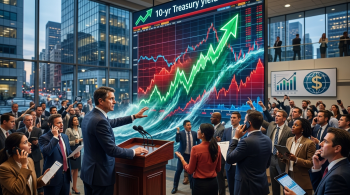
I walked out of the first Federal Reserve meeting under Chairman Kevin Warsh with a clear message. The Fed is prioritizing inflation control over short-term politics. Markets heard it too. Rates jumped. Bonds sold off. Expectations for more hikes this year moved higher. As CEO of LifeGoal Wealth Advisors and a CIMA and CFP, I look at what this means for borrowers, savers, and long-term investors.
“There is a new sheriff in Fed Town, and he is not a Trump puppet.”
This moment matters. It sets the tone for how the Fed will act under Warsh. It also hints at how the economy, credit, and markets could behave over the next year. Here are the main signals and why they matter for your money.
Table of Contents
ToggleThe Three Big Signals From Warsh
Warsh sent three direct messages. Each landed fast with traders and investors.
- He pushed back on political pressure. The Fed did not signal rate cuts. It signaled the opposite.
- He questioned government data quality. He announced a task force to modernize economic inputs.
- He accepted tighter financial conditions. Bonds got hit, and yields rose as hike odds increased.
“Wash doesn’t trust government data. Thank god… The unemployment rate is still being tracked by literally calling households and asking people if they’re working.”
The tone was firm. The Fed prioritizes price stability. Politics is noise. Data quality is an active concern. Markets should prepare for a higher-for-longer setting if inflation stays sticky.
View this post on Instagram
Politics Out, Inflation In
White House pressure for cheaper money is not new. It happens in many administrations. The Fed’s job is to look past that. Warsh made it clear he will. That matters for credibility. It also matters for inflation expectations. When the Fed signals it will not chase short-term approval, inflation expectations tend to anchor. That supports long-run growth, even if it stings in the short term.
Markets took the hint. Futures pricing moved to assign higher odds of at least one rate hike before year-end. Some now see two hikes as almost as likely as one. That change alone lifted yields across the curve. The long end followed as traders priced a firmer policy path and less chance of quick cuts.
“Markets are pricing two rate hikes almost as likely as one before year end.”
In plain terms, borrowing costs rose. That hits mortgages, auto loans, credit cards, and business credit. It also affects stock valuations, especially in growth sectors that rely on cheaper money.
Why The Data Question Matters
This is the most interesting part of the meeting. Warsh questioned the quality and timeliness of official data. The classic example is the unemployment rate. The government still runs a household survey by phone to ask people if they have a job. That method has value. But it can miss shifts in gig work, multiple jobs, and changes in participation. It also lags real-time conditions.
Warsh announced a task force to modernize inputs. That could include payroll data, tax withholdings, electronic timesheets, and private sector datasets. It could also improve seasonal adjustments and reduce revisions. Better data helps the Fed react sooner and avoid major mistakes.
There are risks here. New data can be noisy. Model error can creep in. We should not trade every weekly blip. But the direction is right. Faster, cross-checked inputs can sharpen the Fed’s view of jobs and inflation. That means better policy decisions over time.
“Wash is launching a task force to modernize the inputs.”
Bonds Got Smoked—Here’s Why
The bond market reacts first and loudest to policy shifts. A higher path for the policy rate pushes Treasury yields up. When yields rise, bond prices fall. Long-duration bonds get hit the hardest because they are more sensitive to rate moves.
“Bonds got smoked. Rates jumped as markets now expect the Fed to hike.”
That hurt core bond funds on the day. It also widened credit spreads slightly as investors demanded higher yields to hold corporate debt. Municipal bonds felt some pressure too. Floating-rate loans saw less pain because their coupons reset to higher rates.
This move is not about panic. It is about repricing. The market is building in the chance that the Fed holds tight and may even hike. If inflation comes down cleanly, yields can settle. If inflation sticks, yields can grind higher. Position sizing and duration control matter a lot in this phase.
What Higher Rates Mean For You
Rising yields touch almost every part of your financial life. Here is how it shows up and what actions may help.
- Mortgages: Fixed-rate mortgages move with the 10-year Treasury. Higher yields mean higher payments for new buyers. Consider rate buydowns or adjustable loans if you can handle reset risk.
- Credit Cards: Variable rates adjust quickly. Pay down high-rate balances faster. A 2% jump on a large balance is real money.
- Auto Loans: Dealers pass higher funding costs to buyers. Shop lenders. A small rate cut saves over the life of a loan.
- Student Loans: Private loans tied to benchmarks may reset higher. Weigh refinancing only if you are not giving up key protections.
- Business Credit: Lines of credit reprice. Manage working capital closely. Lock in fixed rates where it makes sense.
- Savings: The good news—money markets and CDs now pay more. Ladder maturities to maintain flexibility.
For investors, think in terms of cash flows and time horizon. Higher rates reduce the present value of distant cash flows. That usually hits long-duration growth stocks more than value or dividend payers. On the bond side, higher starting yields improve future returns, but the path can be bumpy.
Stocks, Sectors, And Valuation
Rate moves shift sector leadership. Financials can benefit from higher net interest margins, though credit costs may rise. Utilities and real estate often lag as their dividends compete with safer yields and their debt loads are heavy. Energy can be gained if growth holds and supply remains tight. Tech is mixed. Quality, cash-rich names with pricing power can weather higher rates. Early-stage firms that rely on cheap funding usually struggle.
Valuation math tightens. As the discount rate rises, the multiple investors willing to pay falls. Earnings must carry more of the load. Companies with steady free cash flow, lean balance sheets, and clear pricing power look better in this setting.
How I’m Positioning Portfolios Now
My approach is simple and rules-driven. I will share how I am thinking about positioning, not as a one-size-fits-all plan, but as a guide.
First, I keep adequate cash for known needs. That means at least three to six months of expenses in a high-yield savings or money market fund. For retirees, I extend that safety bucket to cover one to two years of planned withdrawals.
Second, I shorten bond duration versus broad benchmarks. I still want high-quality core bonds for ballast. But I tilt to the short and intermediate parts of the curve. I add a dose of Treasury Inflation-Protected Securities to defend against inflation. I am careful with lower-quality credit because spreads can widen if growth cools.
Third, in equities, I favor quality. Strong balance sheets. Durable margins. Consistent cash flow. I do not abandon growth, but I demand proof of profitability or a clear path to it. Dividends matter again. I like firms with a record of steady dividend growth backed by free cash flow.
Fourth, I keep global diversification. The dollar can swing when the Fed’s tone changes. Holding non-U.S. stocks and bonds helps reduce home bias and spread risk.
Fifth, I use rebalancing rules. After rate shocks, allocations drift. I set bands and move back to the target when thresholds are hit. That enforces buy low, sell high without making big bets.
What To Watch Next
This is not a one-and-done event. A few markers will shape the next leg:
- Inflation trend: Monthly core readings for goods and services. Shelter inflation needs to cool.
- Labor tightness: Wage growth, job openings, and quits. A gradual cooling is ideal.
- Revisions and data quality: Watch for task force updates and any pilot datasets.
- Credit conditions: Bank lending surveys, delinquency rates, and high-yield spreads.
- Earnings: Guidance on margins and pricing power. Watch inventory and demand commentary.
If inflation eases and growth holds, the Fed may pause after one hike. If inflation refuses to budge, more tightening stays on the table. The path is data-dependent, so better data is the right focus.
Why Warsh’s Stance Helps Long-Term Investors
A central bank that keeps its eye on inflation is good for long-term savers. Price stability protects purchasing power. It also reduces the odds of sharp booms and busts. The short-term pain is the trade-off. Borrowing costs rise, and asset prices adjust. But higher starting bond yields improve forward returns for patient investors. Stocks with strong cash flows can still compound through cycles.
Clarity on data practices is another plus. If the Fed can improve how it reads the job market and prices, it can act earlier and avoid late, steep moves. That narrows the range of outcomes over time.
“Summation, Warsh challenged the data, ignored Trump, and reminded the market the Fed works for inflation first.”
That is the line that matters. This Fed wants to be seen as clear-eyed and focused. For investors, that means one thing: plan for higher-for-longer until the inflation trend confirms a turn.
Practical Steps You Can Take This Week
Action beats worry. Here are simple moves to consider now:
- Check your emergency fund and top it off if needed.
- Review your debt. Refinance high-rate balances or create a payoff plan.
- Shorten bond duration if your portfolio leans long.
- Rebalance if stocks or bonds moved your weights off target.
- Raise quality in equities. Focus on cash flow and balance sheets.
- Ladder short-term CDs or Treasuries to capture higher yields while staying flexible.
None of this is flashy. It is steady, risk-aware investing. That is what works through rate cycles like this one.
I will keep watching the Fed’s communication and the progress of the data task force. I will also track how the market prices the odds of one or two hikes from here. If the facts change, my positioning will adjust. For now, the message is simple: higher rates are a feature, not a blip.
Warsh signaled independence, called out weak data practices, and accepted tighter conditions to tame inflation. That is a tough stance. It is also the right one for long-term stability. Build a plan that can handle more bumps, and stick to it.
Frequently Asked Questions
Q: How could another Fed hike affect my mortgage plans?
A further increase in the policy rate often pushes the 10-year Treasury yield higher, which lifts mortgage rates. If you are house hunting, run new payment scenarios. Consider negotiating seller credits for rate buydowns, or exploring adjustable-rate loans, only if you understand reset risk and have room in your budget.
Q: What should I do with my bond holdings while yields rise?
Focus on quality and control duration. Short- to intermediate-maturity instruments reduce price swings. TIPS can help with inflation risk. Avoid stretching for yield in lower-quality credit unless you accept the added default risk. Use a ladder so you can reinvest at higher rates over time.
Q: Does questioning government data make markets less stable?
In the short run, yes, it can add noise as traders adjust to new signals. Over time, better inputs should improve policy timing and reduce big surprises. The key is transparency—clear methods, consistent releases, and cross-checks across multiple datasets.