Not long ago, accepting card payments meant expensive terminals, long contracts, and a fixed checkout counter. Today, a small business can take payments from a phone at a farmers market, send an invoice that gets paid in minutes, or accept a tap on a smartwatch, all with minimal cost and setup. For small business owners, the ability to accept payments anywhere is no longer a luxury; it is essential. Here is how to do it well in 2026.
Table of Contents
ToggleThe Mobile Payment Revolution
The biggest change is that the hardware barrier has largely disappeared. Modern payment technology has turned ordinary smartphones and tablets into card readers, so a contractor, food truck, or pop-up shop can accept payments without a traditional terminal.
Customers, meanwhile, increasingly expect to pay however they want, whether that is tap-to-pay, a digital wallet, or a quick online link. A business that only takes cash or checks now risks losing sales to competitors that make paying effortless. Meeting customers where they are, with the payment method they prefer, has become a baseline expectation rather than a nice extra.
“Never take your eyes off the cash flow because it’s the lifeblood of business.”
Richard Branson’s warning, widely cited from his writing, is why flexible payment acceptance matters. The faster and more easily customers can pay you, the healthier your cash flow, and cash flow is what keeps a small business alive.
The Options for Accepting Payments Anywhere
Small businesses in 2026 have more ways than ever to get paid. The main options include:
- Mobile card readers: Small devices or phone-based tap-to-pay that accept cards and digital wallets on the go.
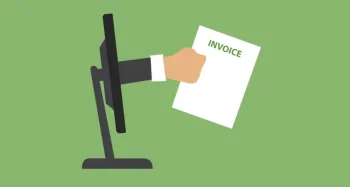
- Digital invoicing: Send a professional invoice by email or text with a pay-now button for instant payment.
- Payment links and QR codes: Let customers pay by scanning a code or clicking a link, with no hardware at all.
- Online checkout: Accept payments through your website or an online store around the clock.
- Peer-to-peer and instant payment apps: Useful for quick, low-cost transfers from customers.
Most businesses end up using a combination, matching the method to the situation, whether that is in person, online, or by invoice.
What to Look For in a Payment Solution
With so many options, focus on the factors that actually affect your bottom line and your customers’ experience:
- Transparent, competitive transaction fees with no hidden charges or long contracts.
- Fast access to your money, ideally next-day or instant deposit rather than long holds.
- Support for the payment methods your customers actually use, including digital wallets.
- Easy setup and hardware that fits how and where you do business.
- Integration with your accounting and invoicing tools so your books stay clean.
Keep Fees and Cash Flow in Check
Payment processing is not free, and the fees add up, so it pays to understand them. Most processors charge a percentage of each transaction plus a small flat fee, and the rates vary meaningfully between providers. For a small business with thin margins, choosing a processor with fair, transparent pricing can make a real difference over a year. Just as important is how quickly you get your money.
Some processors hold funds for days, which strains cash flow, while others offer next-day or even instant deposit. Since cash flow is the lifeblood Branson warned about, favoring fast settlement and reasonable fees directly strengthens your business’s financial health.
Don’t Overlook Security and Compliance
Accepting payments means handling sensitive customer data, which comes with responsibility. Reputable payment providers handle most of the heavy lifting on security and compliance, including the card industry standards that protect cardholder data, but you still play a role.
Use trusted, established providers
Use trusted, established providers rather than obscure ones, keep your devices and software updated, and never store card numbers yourself. Modern systems use encryption and tokenization so card details are never exposed, protecting both your customers and your business from the reputational and financial damage of a breach. Treating security as part of the cost of doing business, not an afterthought, keeps customer trust intact.
Make Paying Effortless for Customers
Ultimately, the goal is to remove every bit of friction between a customer wanting to pay and the money landing in your account. Offer multiple payment options so no sale is lost because someone can’t pay the way they want. Send invoices promptly with a one-click pay button.
Make in-person checkout fast with tap-to-pay. The easier you make it to pay, the faster you get paid and the more sales you close. In a competitive market, a smooth, flexible payment experience is not just a convenience; it is a genuine advantage that directly supports your revenue and cash flow.
Start Simple and Scale as You Grow
One mistake small businesses make is over-investing in payment technology before they need it. You do not have to build a complete system on day one. Start with the simplest setup that fits how you currently sell, perhaps a phone-based tap-to-pay reader and digital invoicing, and add capabilities as your business grows.
A solo service provider might only need invoices with a pay-now button, while a growing retailer may eventually want in-person readers, online checkout, and recurring billing all working together. The key is to choose a provider that can scale with you, so you are not forced to switch systems and retrain as you expand.
Periodically review your payment costs and options, since the market is competitive and better deals appear regularly. Beginning simple keeps your costs and complexity low while you learn what your customers actually use, then layering on features as real demand emerges ensures you never pay for capabilities you do not need. Let your payment setup follow your business rather than trying to predict every future need at the start.
Payment Flexibility Is a Competitive Edge
Flexible payment acceptance is not just an operational detail; it is increasingly a competitive advantage. In a market where customers expect to pay however they prefer, a business that makes paying effortless wins sales that a cash-or-check-only competitor loses.
Offering tap-to-pay, digital wallets, online checkout, and instant invoicing signals professionalism and meets customers where they are. It also opens doors to new revenue, from selling at pop-up events to accepting payments from customers across the country or around the world.
For very small businesses and solo operators in particular, modern payment tools level the playing field, giving them the same slick checkout experience as much larger companies at minimal cost.
Viewing payment acceptance as a growth tool rather than a back-office chore changes how you approach it. The easier and more flexible you make paying, the more you sell and the faster that money reaches your account, which is exactly the kind of advantage a small business cannot afford to ignore.
The Bottom Line
Accepting payments anywhere has never been easier or more important for small businesses. Phone-based readers, digital invoicing, payment links, and online checkout let you get paid however and wherever your customers are, often with minimal cost and setup.
Choose a provider with transparent fees and fast deposits, support the payment methods your customers prefer, keep security tight, and make paying as effortless as possible. Do that, and you protect the cash flow that keeps your business thriving. Explore Due’s payment and invoicing tools and our business tips to get started.
Image Credit: Pexels