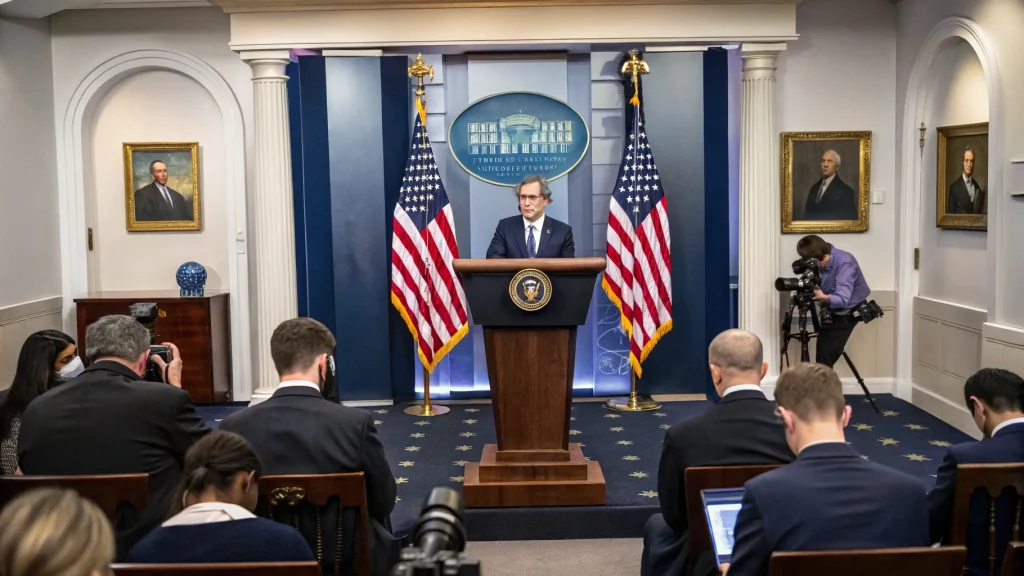
Treasury Secretary Scott Bessent said Thursday that an update to the Trump Accounts program is coming, following a White House summit with the president and rapper Nicki Minaj. The announcement drew instant attention for its policy stakes and its unusual guest list. Officials did not release specifics, leaving key questions on scope, timing, and cost.
The brief statement came after the closed-door meeting in Washington. No fact sheet or rule text followed. That puts a policy with a big name in the spotlight, but still in the dark.
Table of Contents
ToggleWhat Is Known So Far
“Treasury Secretary Scott Bessent announced a Trump Accounts program update Thursday after a White House summit with the president and Nicki Minaj.”
The line above is the sum of on-record detail. The Treasury Department has not described what “Trump Accounts” cover, who qualifies, or how the update changes the status quo. Without a public memo, analysts are left to monitor filings, guidance, or budget notes that could outline the design.
Major federal account programs often involve access to payments, savings options, or streamlined benefits delivery. They can also lean on the banking system or prepaid networks. If this update touches any of those areas, it could affect consumers, lenders, and state agencies. For now, that is an open question.
Celebrity At The Table
Nicki Minaj’s presence at the summit surprised many, but celebrity input at policy events is not new. Artists have long been invited to discuss outreach, culture, and public messaging. They can also press for issues they care about, from financial literacy to online safety. Whether Minaj offered views on program design, engagement, or other topics is unclear.
The White House often uses high-profile figures to widen public interest. That can help a rollout. It can also raise worries that stagecraft is outpacing substance. With little text to examine, both reactions surfaced online within hours.
Key Questions That Need Answers
- What changes are in the “update,” and what stays the same?
- Who is eligible, and how would enrollment work?
- How will accounts be funded and safeguarded?
- What is the timeline for rollout and oversight?
- How does this interact with banks, fintechs, or prepaid providers?
- What data is collected, and how is privacy protected?
Policy Stakes And Possible Impact
If the program expands access to low-cost accounts, it could help households that pay high fees for basic services. That would please advocates of financial inclusion. Banks could welcome clear rules but push back if mandates add costs. Fintech firms might see a channel for new users, while also seeking fair treatment across providers.
If the update links to federal payments, such as tax refunds or benefits, speed and error rates matter. Past shifts in payment rails have reduced check fraud but have also created new disputes over chargebacks and unauthorized transfers. Clear safeguards would be key to avoiding confusion at tax time or during benefit cycles.
If the program creates special features or branding, watchdogs will look for conflict-of-interest rules and separation from political activity. Naming alone can become a flashpoint in appropriations debates, especially if funds or fees are involved.
How Rollouts Succeed—or Stall
Big account initiatives run on three tracks: policy design, tech build, and public trust. Miss one, and adoption lags. Agencies that publish plain-language guides, set realistic dates, and test with pilot groups tend to avoid messy reversals. Silence, by contrast, invites speculation and increases the risk of a rocky launch.
For consumers, the details will matter more than the label. Fees, dispute rights, ATM access, and customer support decide whether people sign up and stay. For providers, clear compliance checklists and vendor standards help keep costs under control.
What To Watch Next
Look for a Treasury fact sheet, draft rule, or Federal Register notice in the coming days. Budget tables or OMB reviews could hint at scope and cost. Banking regulators may issue parallel guidance if the program leans on existing rails. The White House press office could also release a readout of the summit to fill in the gaps.
Until then, the headline is doing heavy lifting. An update is on deck. The policy is still offstage. The sooner the administration releases text, the sooner markets, agencies, and households can prepare.
The bottom line: big-name meeting, small set of facts. The next move is a detailed plan with dates, definitions, and guardrails. Without that, attention will drift from promise to uncertainty.