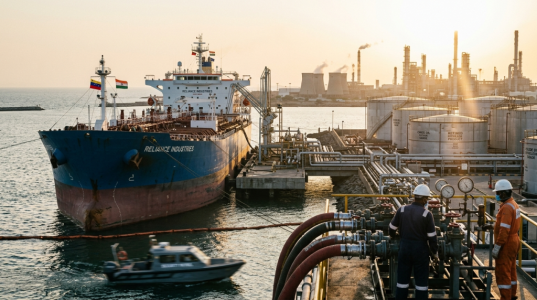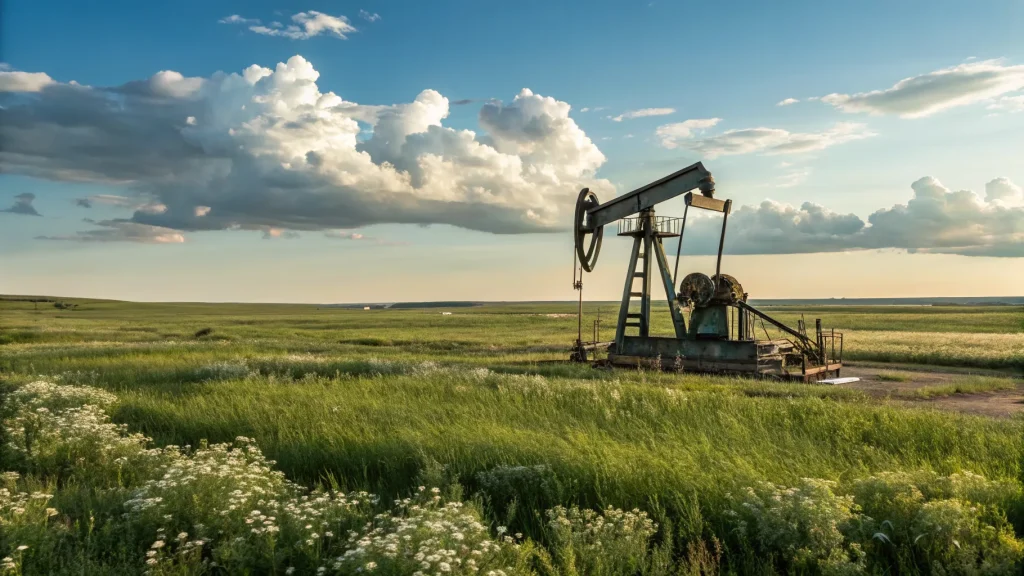
Britain’s largest household energy supplier warned that rising oil prices could feed through to higher bills, even as it urged caution about jumping to conclusions. The company said it is monitoring markets closely and will work to shield customers where possible.
The alert comes as crude prices tick higher on tighter supply and geopolitical tension. Centrica, the owner of British Gas, said any sustained increase could add pressure to wholesale energy costs in the UK. The company’s chief executive, Chris O’Shea, offered a measured message, stressing the need to avoid panic while acknowledging the risk to homes if prices keep rising.
Table of Contents
ToggleWhy Oil Still Matters For UK Energy
Oil is not the main fuel behind UK electricity or heating, but it still influences broader energy markets. Traders often move gas and power prices in step with crude when supply shocks or conflicts push up global fuel costs. That can filter into the price cap that sets most British household tariffs.
The link is messy, and timing varies. Suppliers use hedging to buy energy months ahead, which can delay the impact of price swings. But if crude keeps climbing, the pressure tends to build across fuels.
This risk lurks after a turbulent period for UK energy. The spike in gas costs in 2021 and 2022 drove a wave of supplier failures and a surge in household bills. The price cap later fell as markets cooled, but many families are still paying more than before the crisis.
Company Message: Caution Without Panic
It is “too early” to speculate, but “if oil costs continue to rise, homes will be hit.”
O’Shea’s comments reflect a balancing act. On one side, households deserve a clear warning that fuel markets are moving again. On the other, suppliers and regulators do not want to spark a rush of fear that can worsen volatility.
Centrica says it will use hedging, efficiency advice, and payment support to help customers manage risk. The company points to lessons from the last shock, when many smaller rivals failed after poor risk controls. A steadier market today should limit sudden jumps, but not erase them.
What It Could Mean For Households
The path from an oil rally to a higher direct debit is not immediate. The Ofgem price cap is updated on a schedule, based on wholesale costs over recent months. That gives households time to plan, but it also means increases can land with a lag.
Consumer groups warn that even modest rises can strain budgets already hit by food and housing costs. They urge clear guidance on usage, grants for the most vulnerable, and faster rollout of home upgrades that cut demand.
Analysts also note that a strong pound can soften imported fuel costs, while mild weather can curb gas use. Storage levels in Europe and UK renewables output are other key buffers. The mix of these factors will shape bills more than any single day’s oil price.
Market Signals And What To Watch
Investors are watching supply decisions by major producers — notably BP’s pivot back toward oil production — shipping risks, and demand signs from the US and China. Refinery outages and seasonal maintenance can tighten markets in the short term. If these line up with strong demand, price pressure grows.
- Persistent crude price increases over several months.
- Wholesale gas and power prices moving in tandem with oil.
- Updates to the Ofgem price cap and supplier hedging strategies.
- Government support measures for low-income households.
- Weather trends and renewable generation levels.
Balancing Act For Policy And Industry
For ministers, the task is to protect households without dulling price signals that encourage saving energy. Targeted aid, clear communication, and steady regulation can help. For suppliers, stronger balance sheets and prudent hedging are the first line of defense.
O’Shea’s warning lands as a reminder that energy shocks rarely arrive on a neat schedule. Markets move, and bills follow, though not always in a straight line. Households should stay informed, avoid knee-jerk switches, and use official tools to check tariffs and support.
The next few months will show whether oil’s climb is a blip or a trend. If it settles, pressure may ease. If it holds or rises, the hit to homes that Centrica flagged will edge closer to reality.