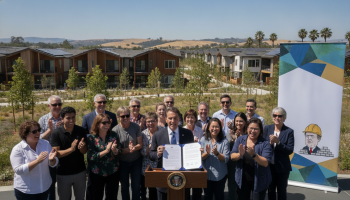
California Governor Gavin Newsom signed a package of housing reform bills designed to cut construction costs, speed up affordable projects, and widen paths to homeownership. The signing, held in California, also featured a political jab at former President Donald Trump, signaling the heated stakes around housing policy in a high-cost state.
The measures aim to clear hurdles that slow building and inflate prices. They promise faster approvals for affordable units and new tools to help first-time buyers. Supporters say the changes could help address a shortage that has pushed rents and home prices far out of reach for many families.
Table of Contents
ToggleWhat the Bills Aim to Do
Officials say the reforms target long delays and high fees that add months and millions to projects. The package focuses on three fronts: lowering costs, quickening timelines, and expanding ownership.
- Reduce red tape on qualifying affordable housing.
- Trim fees and streamline reviews to cut carrying costs.
- Support first-time buyers with clearer paths to mortgages.
Newsom framed the effort as practical action on a long-running crisis. He cast the changes as a way to move projects from plans to groundbreakings faster. He also stressed production, saying more homes are the only durable answer to high prices.
Political Undertones at the Signing
The ceremony did not stay purely policy-focused. Newsom used the moment to draw a contrast with national politics and with Trump in particular.
“It’s called governing,” Newsom said, emphasizing the work of passing and executing policy rather than scoring points.
The comment hints at 2024’s charged political climate and the way state-level policy has become a stage for national debates. It also reflects Newsom’s growing role as a Democratic voice on issues where California often sets direction, from climate to labor and now housing.
Why Housing Costs Keep Rising
California’s housing pain has deep roots. Decades of underbuilding have left the state short of homes. Construction costs have climbed with labor shortages, materials spikes, and lengthy local reviews. Financing has grown tougher as interest rates rose, squeezing both builders and buyers.
Affordable housing faces extra layers of complexity. Subsidies, tax credits, and compliance rules can save tenants money but add time and legal work for developers. Each month of delay can push a project’s budget higher. Cities and neighborhoods also weigh in, sometimes with lawsuits that stall building for years.
By cutting back on procedural delays for qualifying projects, the state hopes more units can pencil out. If carrying costs fall and approvals arrive sooner, developers can price rents lower or bring more homes to market. That is the theory behind the package.
Stakeholders Weigh the Trade-Offs
Housing advocates welcome the focus on production and affordability. They argue that speed and scale matter most. Some local officials worry about state rules overriding city processes. They point to concerns about parking, traffic, and infrastructure keeping up with growth.
Builders tend to favor simpler, faster permitting. They say predictability lowers risk and invites investment. Tenant groups push for guardrails to ensure new supply includes homes low-income families can actually afford.
The bills try to balance those interests by tailoring faster approvals to projects that meet affordability and environmental standards. How that balance works in practice will decide whether the reforms gain broad support or trigger new fights in city halls and courts.
What Changes Residents Could See Next
If the measures work as planned, residents may notice more groundbreakings for affordable and mixed-income projects. Nonprofits could move from funding awards to construction starts more quickly. First-time buyers might see new programs that ease down payments or offer simpler underwriting.
Experts will watch three markers in the months ahead: time-to-permit for affordable projects, total units approved, and the share of those units priced for low- and moderate-income households. Those data points will show whether the state’s bet on speed and cost control is paying off.
Newsom’s shot at Trump grabbed headlines, but the bigger test will be in building completions, not press lines. If approvals accelerate and costs drop, the package could help cool prices and rents. If not, lawmakers may return with tougher measures.
For now, California is signaling urgency on housing and staking its case on practical steps. Voters will judge by what rises from the dirt and how many families can finally afford a place to call home.