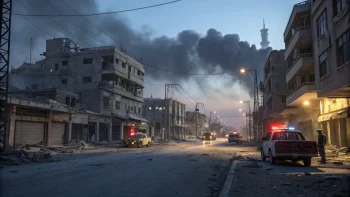
Russian missile and drone attacks killed several people and injured dozens across Ukraine, according to local authorities, in a wave of nighttime strikes that hit residential areas and critical sites. The strikes came days after President Volodymyr Zelenskyy warned that Moscow was preparing a “massive new strike.”
The latest barrage underscores the grinding tempo of long-range attacks that has defined much of the war’s second year and into a third. Emergency crews reported fires, building damage, and power disruptions as debris fell over wide areas. Air raid alerts sounded in many regions for hours as interceptors hunted incoming targets.
Table of Contents
ToggleBackground: A War of Attrition from the Air
Russia has relied on mixed salvos of cruise missiles, ballistic missiles, and Iranian-made Shahed drones to pressure Ukraine’s defenses and wear down energy and industrial capacity. Previous winter campaigns targeted the power grid, causing rolling blackouts and equipment losses that took months to repair. Ukraine, in turn, has strengthened its air defenses with Western systems such as Patriot, NASAMS, and IRIS‑T, while expanding mobile fire groups to chase slow-moving drones.
These strikes tend to follow a familiar pattern. Drones probe for weak spots, soak up interceptors, and map radar coverage. Missiles arrive minutes later on critical nodes. The method forces costly choices: protect cities, protect power, or protect military logistics. Ukraine’s answer has been a layered shield and rapid-repair teams to limit downtime.
What We Know So Far
- Local officials reported several deaths and dozens of injuries.
- Missiles and drones targeted multiple regions overnight.
- Fires, debris damage, and power outages were reported.
- Search-and-rescue teams worked through the morning.
“Massive new strike.” — President Volodymyr Zelenskyy, warning of an attack days before the barrage.
Authorities said the attacks “killed several people and wounded dozens.”
Air Defense Strain and Civilian Risk
Ukraine’s air defenses have improved, but the sheer volume of mixed strikes can stretch coverage. Drones fly low and slow, forcing units to expend missiles or race after targets with guns and machine fire. Expensive interceptors are sometimes used on cheap drones to avert urban damage. That tradeoff is brutal math for planners and taxpayers alike.
For civilians, the risk is twofold. Direct hits level homes and workplaces. Intercepted missiles still shed heavy debris over neighborhoods. Emergency services urge residents to seek shelter and avoid windows during alerts, yet many have little time to react. Damage to heating plants, substations, and water systems compounds the danger in colder months and strains municipal repair crews.
Strategic Signals and Messaging
The strikes also serve a strategic message. They aim to sap morale, rattle supply lines, and test the patience of Ukraine’s partners. Kyiv highlights interceptions to show resilience, while calling for more systems and munitions. Moscow presents the barrages as precision attacks on military sites, even when blast patterns and debris fields run through civilian districts.
Analysts say the timing—shortly after a public warning from Zelenskyy—suggests Russia wanted the threat to land both physically and psychologically. Whether that changes front-line dynamics is less clear. Air campaigns can erode capacity, but gains on the ground still demand manpower, armor, and logistics.
International Response and Aid Needs
Western capitals have focused on closing air defense gaps, delivering interceptors and spare parts along with training. Each new package tries to keep pace with shifting strike patterns. Shortages of radar components and interceptor missiles remain a worry, especially if salvos intensify. Ukraine also seeks more mobile counter-drone systems to cut costs and preserve high-end missiles for faster threats.
Humanitarian groups warn that repeated attacks deepen trauma and displacement. Repairs compete with new damage, driving up costs for cities already stretched thin. Donors face the unglamorous burden of funding transformers, switchgear, and cables as often as they fund artillery shells.
What to Watch Next
Several markers will show where this is heading. Interception rates reveal whether defenses are holding. The pace of energy repairs hints at grid resilience. Crater analysis and debris types can indicate shifts in Russia’s stockpile and suppliers. Any changes in Western aid—faster deliveries, new systems, or tighter stock management—will ripple through future strike nights.
For now, the toll is clear. People were killed, and many more were hurt. The warning of a “massive new strike” proved more than talk. The coming weeks will test how well Ukraine can shield its cities, how quickly crews can fix what breaks, and how long partners can sustain the flow of parts and protection.