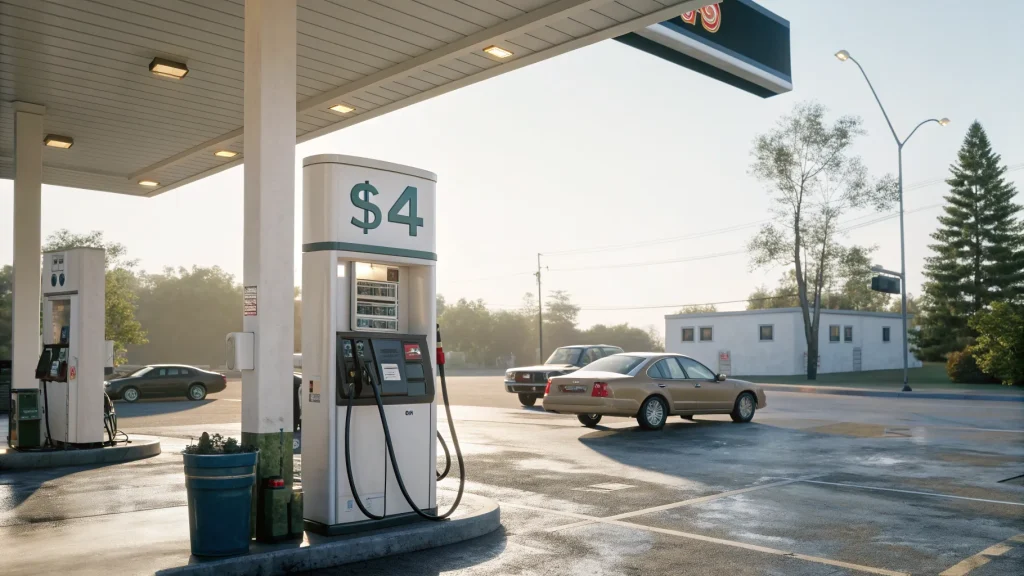
Gasoline now averages more than $4 per gallon, adding strain to commuters and road-trippers as spring travel picks up across the country. Prices swing widely by state, creating sharp differences at state lines and new incentives for drivers to plan refueling stops. The surge highlights how taxes, refining, supply, and seasonal fuel rules collide to shape what shows up on station signs.
“Gas prices now top $4 on average but vary widely by state. Whether you’re commuting or road-tripping, knowing where prices drop across state lines can help you spend less.”
Table of Contents
ToggleBackground: Why Costs Are Climbing
National prices often rise in spring. Refineries switch to summer-grade fuel, which reduces smog but costs more to produce. Demand also climbs as the weather warms and travel increases. Global oil markets add pressure when crude prices jump on supply limits or geopolitical risk.
State-level fuel taxes and fees add another layer. Some states collect much more per gallon than others. Distribution costs also differ for places far from pipelines or ports. When these factors stack up, neighboring states can show a gap of 30 cents or more per gallon.
The State Line Effect
Drivers report seeing sharp changes over a few miles. Prices near borders often mirror tax and regulation differences. A short detour can bring real savings for people with long commutes or packed family road trips.
Regional dynamics matter. The West Coast and Northeast face tighter supply systems and tougher fuel standards. The Gulf Coast and parts of the South sit closer to refineries and pipelines. Midwest prices can swing when key refineries shut for maintenance.
What’s Behind the Wide Gaps
- State taxes and fees vary by dozens of cents per gallon.
- Refinery maintenance and outages reduce local supply.
- Seasonal blends raise costs each spring and summer.
- Global crude prices set the base cost for fuel.
- Distribution costs rise with distance from pipelines and ports.
Strategies Drivers Are Using
Travelers are adjusting plans to chase cheaper stops. Many map stations before leaving and favor refueling in lower-cost states. Others time fill-ups earlier in the week, when station prices can be steadier. For commuters, combining errands and using loyalty discounts can trim a few dollars each week.
Simple steps add up over time. Keeping tires properly inflated helps mileage. Removing roof racks and heavy cargo cuts drag and weight. Speed also matters. Driving 65 instead of 75 can save fuel without adding much time to most trips.
Industry and Policy Signals
Refiners tend to lift output after seasonal maintenance, which can ease tight spots. If crude prices stabilize, retail prices often drift lower with a lag. But hurricanes, pipeline issues, or new global tensions can reverse those trends fast.
State leaders watch prices closely. Some have debated temporary tax pauses during spikes. Others invest in storage or pipeline capacity to smooth supply. Long-term plans include more efficient vehicles and alternatives that reduce reliance on gasoline.
What to Watch Next
Summer fuel rules kick in across more regions over the next several weeks. That could keep averages near $4 even if crude calms. Holiday travel will test supply chains and station margins. Any large refinery outage could lift prices again.
For households, the advice is practical and immediate. Track prices across borders. Plan refueling stops. Use discounts when available. Small moves can offset a higher national average, especially on long drives.
Gas remains a budget line that moves with forces far from the pump. Yet the most useful lever for many drivers is still local knowledge. A few minutes of planning can turn state-by-state gaps into real savings, one tank at a time.