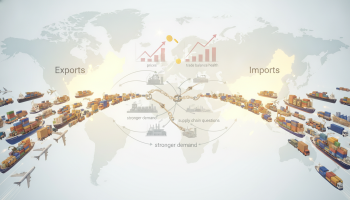
Exports climbed 19.3 percent, while imports spiked 25.3 percent, compared to June last year. The sharp move suggests stronger demand at home and abroad. It also raises fresh questions about supply chains, prices, and the health of the trade balance.
The figures point to a busy start to summer for factories, ports, and retailers. They also hint at changing consumer habits and shifting input costs for businesses. The balance between export growth and import demand will shape policy debates in the months ahead.
“Exports climbed 19.3%, while imports spiked 25.3% compared to June last year.”
Table of Contents
ToggleWhat The Numbers Suggest
A jump in exports often signals stronger orders from overseas buyers. It can reflect better performance in goods like machinery, electronics, or farm products. Services can play a role too, from tourism to software.
A bigger rise in imports points to strong domestic demand. Companies may be restocking. Shoppers may be buying more foreign goods. Higher import values can also come from price increases in energy or materials.
When imports grow faster than exports, the trade gap can widen. A wider gap may weigh on growth figures. It can also pressure the currency, depending on financing and investor flows.
Possible Drivers Behind The Shift
Global supply chains have steadied since past disruptions. That makes it easier to ship goods out and bring parts in. Freight rates have cooled from prior peaks in many routes.
Energy prices remain a swing factor. If fuel costs rise, both import values and export shipping costs move higher. Companies often pass some of those costs to buyers.
Currency moves matter. A weaker currency can help exports look cheaper to foreign buyers, while imports cost more. A stronger currency does the reverse.
- Stronger foreign demand can lift factory output.
- Restocking adds to import volumes of parts and materials.
- Price changes in oil and food can inflate trade values.
Voices From The Market
Manufacturers say strong export orders help maintain shifts and protect jobs. Retailers welcome better-stocked shelves, but worry about shipping costs. Small importers report tighter margins if prices rise before sales catch up.
Analysts caution that one month does not set a trend. They will watch if the gap between import and export growth persists. They also look for signs that inventories are getting too high.
Impact On Businesses And Consumers
Firms that rely on imported inputs may see higher costs. That can affect pricing and profits. Exporters could benefit from scale and new markets.
Consumers may find more choice in stores if imports keep rising. Prices depend on shipping, energy, and currency effects. Discounting may pick up if inventories swell.
Ports, trucking, and warehousing face heavier traffic. Hiring needs could rise in logistics. Delays may pop up if bottlenecks return.
Trends To Track
Three signals will guide the outlook. First, inventory levels at major retailers and factories. Second, order books for export-heavy sectors like autos and machinery. Third, energy and freight prices, which can swing trade values fast.
Policymakers will weigh the trade gap against growth and inflation goals. If import costs lift prices, rate cuts may be slower. If exports fuel factory jobs, that supports income growth.
The latest figures show a hot June for trade, with exports up strongly and imports even stronger. The mix hints at sturdy demand at home and steady orders abroad. The key question is staying power. If this momentum holds, factories and shippers will stay busy. If costs bite or demand cools, the surge could fade. Watch inventories, order flow, and energy prices for the next clue.