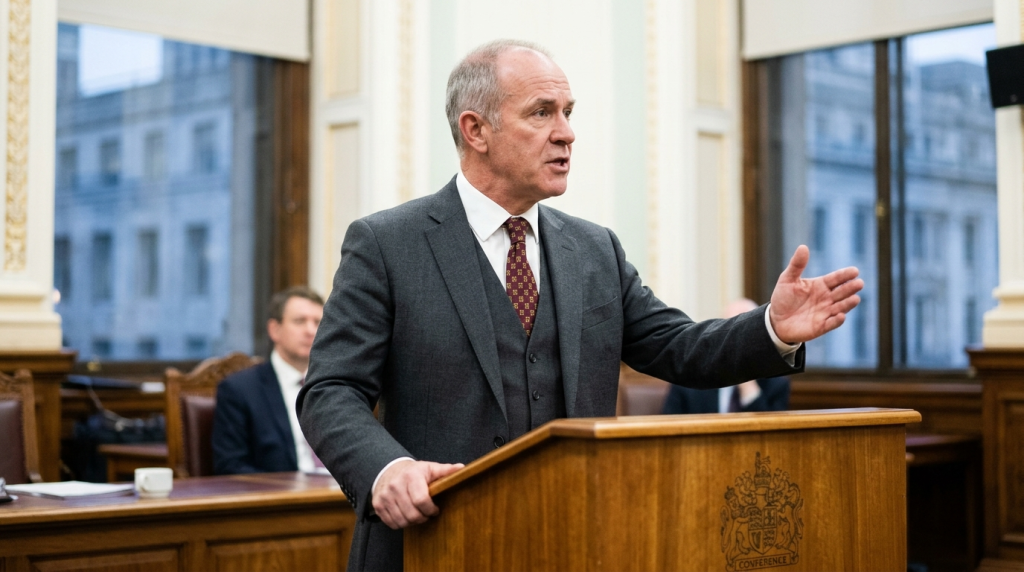
Labour’s most electorally successful former leader has delivered a harsh assessment of Sir Keir Starmer’s government, warning that Britain remains too weak to consider rejoining the European Union.
The intervention places two sensitive issues under fresh scrutiny: Labour’s record in office and the country’s post-Brexit future. It also suggests that closer ties with Europe must follow economic and political recovery, rather than substitute for it.
Table of Contents
ToggleA Warning From Labour’s Past
The former prime minister’s criticism carries weight because of his record leading Labour. His governments showed that the party could win support across regions and social groups while holding power for several terms.
That history makes the rebuke especially uncomfortable for Starmer. Criticism from an opposition leader is routine. A public dressing-down from a highly successful figure in the same party is harder to dismiss.
The central warning was blunt: Britain cannot seriously discuss rejoining the EU until it has recovered the strength lost in recent years.
The argument does not reject closer European relations forever. Instead, it sets a demanding condition. Britain must first rebuild its economy, state capacity and international standing.
Starmer Faces a Test of Delivery
Starmer has sought to present Labour as disciplined, practical and focused on economic stability. The former leader’s indictment challenges that image by questioning whether the government is producing results quickly enough.
The dispute is also about political method. Starmer’s team has favored caution on major constitutional and foreign-policy questions. Supporters see that approach as realism after years of upheaval. Critics may view it as timidity without a clear national mission.
The former prime minister’s warning points to several tests for the government:
- Whether economic growth translates into higher living standards.
- Whether public services improve after years of strain.
- Whether Britain gains greater influence with European partners.
- Whether Labour can retain voters with sharply different views on Brexit.
Why Rejoining Remains Politically Difficult
Britain left the EU after the 2016 referendum, ending decades of membership and triggering years of negotiation. Brexit reshaped trade, migration policy and party loyalties.
Labour has since tried to improve cooperation with Brussels without reopening the membership question. That position reflects the electoral risks surrounding Brexit. Many Labour supporters favor stronger EU ties, while some former industrial constituencies backed leaving.
A campaign to rejoin would also require more than a change of mood in Westminster. Britain would need domestic public support and agreement from EU member states. Difficult questions would follow about budget payments, regulation, borders and the terms of membership.
The former leader’s stance therefore offers both a strategic warning and political cover. Labour can seek better relations with Europe while arguing that membership is not an immediate option.
Strength Before Strategy
The key disagreement is not simply about Europe. It concerns Britain’s ability to act with confidence abroad while delivering competent government at home.
If Starmer improves growth, services and diplomatic influence, pressure for a deeper European relationship may increase. If the government struggles, talk of rejoining could appear detached from voters’ daily concerns.
The intervention leaves Starmer with a sharp challenge from his own party’s history. Labour must show that caution can produce results. Until then, the former prime minister’s message is clear: Britain needs to repair the house before debating whether to move back into the European neighborhood.