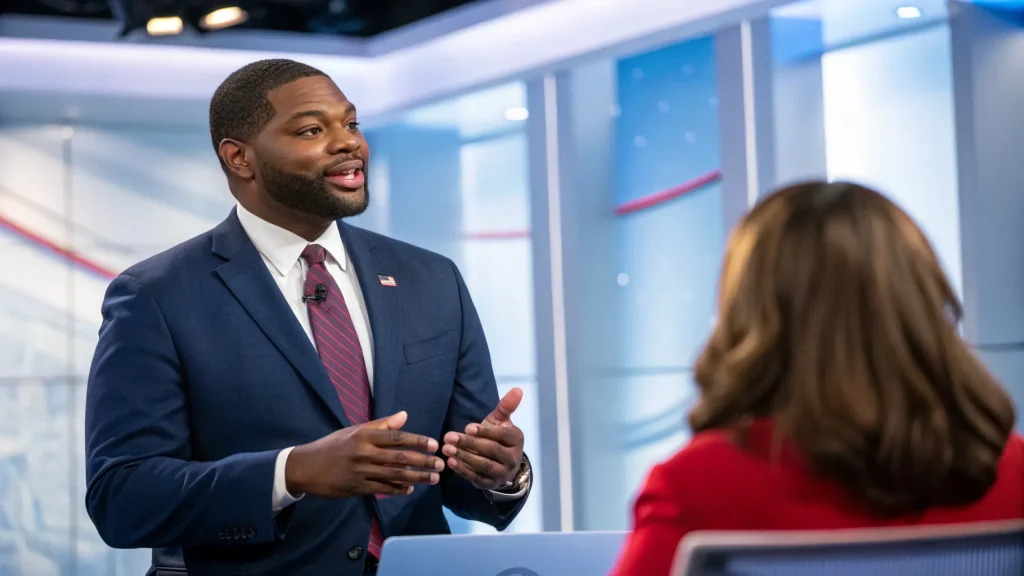
Rep. Byron Donalds used a morning TV appearance to boost two marquee economic pledges: lower healthcare costs and bigger tax refunds. Speaking on Fox Business’ “Mornings with Maria,” the Florida Republican said President Donald Trump plans to target medical bills, while Treasury Secretary Scott Bessent has promised “substantial” refunds for taxpayers. The pitch lands as families still feel squeezed by high prices and as tax season planning gets underway.
Table of Contents
ToggleWhat Was Promised On Air
Donalds framed the agenda as relief for households and small firms. He tied healthcare savings to a push on premiums and out-of-pocket costs. He also leaned on the promise of larger refunds as a quick way to put cash in people’s hands.
Scott Bessent has promised “substantial” tax refunds.
Donalds did not outline line-by-line policy changes. He argued the goals are practical and near-term. He linked the plans to broader efforts to spur growth.
The Healthcare Cost Debate
Healthcare prices remain a top concern. Premiums and deductibles have climbed over the past decade, hitting workers and employers alike. Drug prices for some name-brand medicines continue to strain budgets. Surprise billing rules curbed some shocks, but gaps persist.
Past federal efforts focused on hospital price transparency and on faster approval of generics. Supporters say more price clarity can nudge competition. Skeptics counter that listed prices do not always match what patients pay and can confuse shoppers.
Economists note that real savings usually come from changing incentives. That means tackling how hospitals, doctors, and insurers set and pay rates, not only posting them. Any new plan will face pushback from groups that benefit under the current rules.
- Premiums rise when care costs grow faster than wages.
- Patient bills reflect deductibles, copays, and network rules.
- Drug costs hinge on patents, rebates, and pharmacy benefit deals.
Tax Refund Pledge Meets Budget Math
Promises of larger refunds are popular, but the details matter. Refunds increase when tax rates fall, credits expand, or withholding overshoots a family’s final bill. That can put more money in pockets by spring. But the yearly tax burden, not the size of the check, is what sets long-run relief.
Analysts warn that boosting refunds without clear offsets could widen deficits. That could pressure interest rates and complicate the Federal Reserve’s inflation fight. Backers argue that growth from lower taxes can raise revenue and ease the trade-off.
Key levers for bigger refunds include:
- Raising the standard deduction or child credits.
- Adjusting brackets for inflation more often.
- Changing payroll withholding tables.
Each step helps different groups. Families with children benefit from larger credits. Renters gain more from the standard deduction. Itemizers may see less change if deductions shrink or caps tighten.
Missing Details, High Stakes
Democrats pressed for specifics on both fronts. They asked how much premiums would drop, which taxes would change, and how the plans would be paid for. Health industry groups also sought clarity, citing the risk of sudden revenue cuts for hospitals and rural clinics.
Small-business owners welcomed the direction but want predictability. Sudden rule changes can raise compliance costs even when taxes fall. Insurers warned that price limits without new supply or payment reforms could reduce access to care.
Donalds, for his part, cast the agenda as a middle-class boost. He tied the proposals to pocketbook relief. He pointed to voter frustration over high costs and uneven growth.
What To Watch Next
Expect draft bills and scorekeeping to shape the debate. Official cost and savings estimates will test the “substantial” claims. Any healthcare plan will likely move through committees that handle insurance markets and drug policy. Tax changes will require revenue tables and distribution charts showing who gains and by how much.
Voters will judge the plans on simple questions. Are premiums lower? Are refunds bigger? Do wait times grow? The answers will determine whether the pitch on morning TV becomes policy—and whether households feel a real difference.
For now, the message is clear. Republicans are betting that lower medical bills and fatter refunds can reset the economic mood. The path from promise to paycheck runs through Congress, the budget office, and the checkout line.