When I was growing up, retirement was always about “slowing down.” Many people believed that after sixty, everything was about comfort, leisure, and the occasional stroll. Nowadays, however, turning 60 isn’t seen as a sign to slow down. Rather, this is a chance to reinvent aging through sustained activity, strength, and intentional living. Rather than an inevitable decline, many people now view this time as an opportunity to “level up” their health, focusing on mobility, vitality, and new experiences. As you approach your 60’s, you’ll find it is a whole new era of time management to keep yourself happy and well.
Nike’s term, “Just Do It,” has never been more important than as you approach the sixties and beyond.
As we now know, the sixties do not mark the end of a physical peak, but rather the beginning of a new chapter in physical health. The key to staying active after sixty isn’t just about staying busy; it’s about staying functionally fit, maintaining metabolic health, and being independent.
Table of Contents
Toggle1. The Mindset Shift: Fitness for Function
Our younger years are often dominated by aesthetics in fitness. After sixty, though, functional vitality becomes the measuring stick for success. Therefore, using exercises that mimic real-life movements will allow you to easily maneuver your world for decades to come.
The “big three” of longevity fitness:
- Sarcopenia defense. Muscle mass naturally declines with age due to sarcopenia. It is only through resistance training that you can maintain a high metabolism and strong limbs as you age.
- Bone density preservation. Exercise that keeps bones dense reduces the risk of fractures, a major barrier to long-term independence.
- Proprioception and balance. The ability to sense your location in space. You can prevent falls and maintain confidence in your movements by improving your balance.
2. Resistance Training: The Real Fountain of Youth
When you only have time for one type of exercise, choose strength training. Retirees often avoid weightlifting for fear of injury, but the long-term effects of not lifting weights are far more detrimental.
The foundational movements.
You don’t have to be a powerlifter to see results. You should focus on these patterns twice a week:
- The squat (chair stand). Without using your arms, sit down in a chair and stand back up. By doing this, your quadriceps and glutes will be built, which are the engines that keep you independent.
- The push (wall or bench push-ups). The ability to maintain upper body strength is vital for everything from opening heavy doors to catching yourself if you fall.
- The pull (rows). An essential part of posture. Typically, as we age, we hunch forward. By strengthening the upper back, you can keep your shoulders back and your chest open, making breathing easier.
Pro tip. Focus on time under tension. Rather than rushing through reps, move slowly and carefully. As a result, the joints are protected while muscle growth is maximized.
3. Cardiovascular Health: The Steady State
Longevity relies heavily on heart health, as it helps combat chronic conditions. As such, retirees should consider “Zone 2” training. It’s a steady-state exercise that leaves them somewhat breathless, but still allows them to hold a conversation.
Timeless low-impact options.
- Walking with purpose. The most accessible form of medicine is a daily brisk walk. If you want to increase your calorie burn and bone density, try “rucking” (wearing a lightly weighted backpack).
- Water aerobics and swimming. These are the ultimate “zero-impact” workouts. Joint pain or arthritis sufferers can use the buoyancy of water to move freely without feeling the “grind” on their knees.
- Cycling. This is an excellent cardio exercise. Don’t forget to supplement cycling with weight-bearing exercises, as cycling doesn’t increase bone density on its own.
4. Mobility and Balance: The “Secret Sauce”
The “engine” of the body is its strength and cardio, but the “oil” of the body is its mobility. In the absence of mobility, strength is trapped behind stiff joints. Do anything it takes to maintain your balance. There are many good protocols for balance — this guy is pretty good on YouTube.
The balance protocol.
Balance can be trained like any other muscle. You can add these simple things to your day:
- Single-leg stands. Whenever you’re brushing your teeth or waiting for coffee, stand on one leg for 30 seconds, then switch.
- Yoga and Tai Chi. There is a reason why these practices are timeless. By combining breathwork, mindfulness, and complex balance patterns, they maintain the brain-to-muscle connection.
- Dynamic warming. Avoid static stretching (holding a pose for too long). To wake up the nervous system before doing any exercise, use “dynamic” movements like leg swings or arm circles.
5. Fueling and Recovery: The Support System
It takes longer for our bodies to recover as we age, but we now have better tools for managing it than ever before.
The protein requirement.
As a result of the body’s inefficiency at processing proteins, retirees actually require more protein to maintain muscle mass. To signal your muscles to repair and grow, consume high-quality protein sources at every meal.
Hydration and sleep.
As we age, our “thirst mechanism” weakens. So, make sure you drink water throughout the day rather than waiting until you feel thirsty. Also, make sure you get 7–9 hours of sleep every night. In addition to tissue repair, sleep is also a time for cognitive “clean-up.”
6. The Social Connection: Community as Motivation
If you’re not retired yet, do what you have to to remain — or get fit now. But, in retirement, fitness shouldn’t be a solitary pursuit. Those who turn movement into a social event are the most successful retirees — for more daily inspiration, explore these things every retiree should do every day.
- Group activities. Whether it’s a pickleball league, hiking group, or dance class, social interaction boosts your brain power.
- Meaningful goals. Instead of focusing on a number on the scale, set a “capability goal,” such as: “I want to be able to hike with my family on our next vacation,” or “I want to carry my own luggage through the airport.”
Additionally, get involved in meaningful activities that give your life purpose and promote activity. You can do this through hobbies, volunteer work, or spending time with family and friends.
7. Safety and Sustainability
Before beginning any new regimen, check with your healthcare provider. You can also find out if there are any imbalances in your gait or posture by taking a “functional movement screen” with a physical therapist.
Summary: It’s Never Too Late to Start
After sixty, nothing is more dangerous than doing nothing. It doesn’t matter how small your movement is; it’s like a deposit into your Health Savings Account. After decades of building your financial nest egg, it’s time to make sure you have a healthy physical foundation so you can enjoy it to the fullest.
FAQs
Is it safe to lift weights if I’ve never done it before?
Absolutely. It’s actually one of the best things you can do. Start light, concentrate on form, and gradually increase the weight as your body adapts.
How much exercise do I really need?
Most health organizations recommend an average of 150 minutes of moderate aerobic activity and two days of strength training per week. The best routine, however, is one that you can stick to consistently.
What if I have chronic joint pain?
Often, movement is the best medicine for joint stiffness. Consider low-impact exercises such as swimming and elliptical training, and keep your range of motion as pain-free as possible.
Do I need a gym membership?
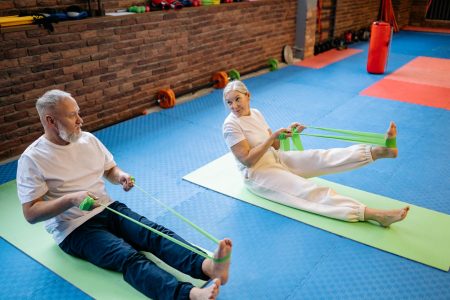
Not at all. Using bodyweight exercises, resistance bands, and the great outdoors can help you achieve elite fitness levels.
How do I stay motivated long-term?
Instead of focusing on your appearance, consider how you feel. Feel the difference in your sleep, energy levels, and ability to perform everyday tasks. It’s these “real-life” successes that motivate us most.
Image Credit: Yan Krukau; Pexels