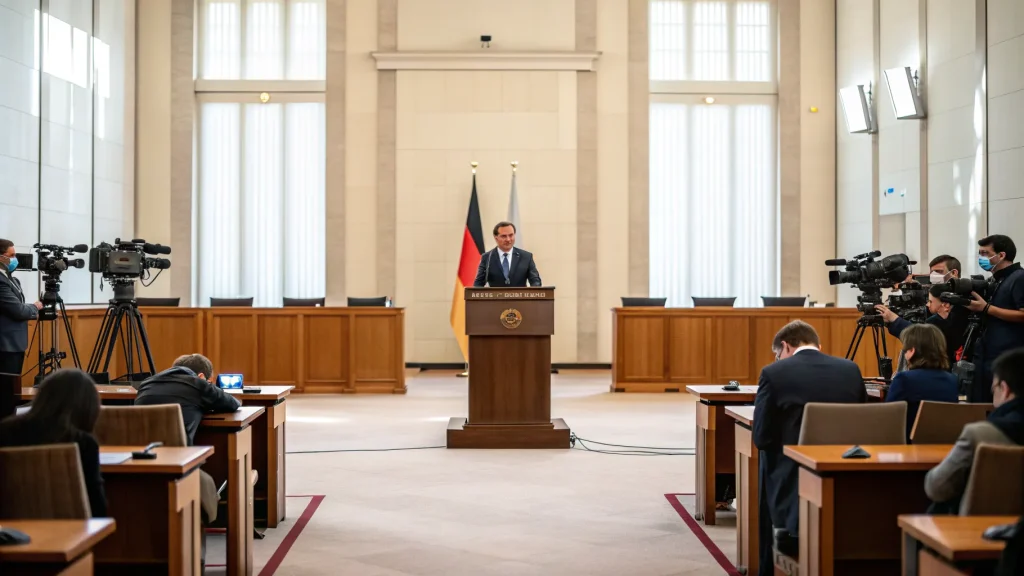
In a move aimed at easing worries among retirees, the chancellor pledged that people who receive only the state pension will not pay income tax before 2030. The commitment, made this week, signals a policy shift that could affect millions of older citizens and reshape near-term budget plans. It comes as rising state pension payments have edged closer to the frozen income tax threshold, raising the risk of more pensioners being drawn into tax for the first time.
“Those who only receive the state pension won’t have to pay income tax before 2030,” the chancellor said.
The pledge addresses a growing concern about so-called fiscal drag, where tax thresholds stay still while incomes rise. It also sets a clear marker ahead of the next round of budget decisions, when the government faces pressure to balance tax relief with tight public finances.
Table of Contents
ToggleWhy This Matters Now
The state pension has risen quickly in recent years under the triple lock, which links annual increases to inflation, wage growth, or 2.5%, whichever is highest. By contrast, the personal allowance for income tax has been frozen at £12,570. That gap has narrowed.
For the current tax year, the full new state pension is about £11,500. A couple more strong upratings could have pushed it close to, or even above, the tax threshold before the end of the decade. The result would be new tax bills for retirees who rely solely on the state pension. The chancellor’s promise seeks to prevent that outcome.
What It Means for Retirees
For pensioners with no private or workplace pensions, the message is simple: their state pension will not trigger income tax before 2030. That offers short-term certainty on household budgets already strained by higher food and energy costs.
- No income tax on state pension alone before 2030.
- No immediate action required by pension-only households.
- Other income from savings or private pensions may still be taxable.
Charities that support older people have warned for months that unexpected tax bills can confuse first-time taxpayers and erode already tight incomes. The new pledge may reduce that risk, at least for those with no other taxable income.
The Policy Levers
To keep pension-only households out of tax, ministers have two main options. They can raise the personal allowance to stay above the state pension. Or they can create a targeted rule that shields the state pension from tax while leaving other income unchanged. Both options come with trade-offs.
Raising the allowance helps workers as well as pensioners but reduces revenue more broadly. A targeted shield would focus support on retirees but adds complexity to the tax system. The chancellor did not spell out which approach will be used, leaving the mechanism to future statements.
Cost, Trade-Offs, and Politics
Protecting pension-only households from income tax has a price. As the state pension rises, the foregone tax revenue grows. Economists say the impact will depend on how many retirees have no other income, how fast the pension rises, and whether broader thresholds stay frozen.
The politics are delicate. Older voters tend to turn out in high numbers. At the same time, younger workers and public services compete for resources. Any plan to shield pensioners while thresholds stay frozen for others may draw criticism over fairness and intergenerational balance.
What Happens After 2030
The pledge sets a firm date but leaves a question hanging over the next decade. If the triple lock continues, the state pension could overtake the tax threshold in the early 2030s unless policy changes again. That would set up another round of choices on tax and spending.
For now, the signal is clear. Retirees living solely on the state pension can plan without expecting a tax bill for the rest of this Parliament and a bit beyond. The government, meanwhile, must choose a path that delivers the promise without blowing a hole in the budget.
The coming fiscal events will show the method and the money. Watch for whether ministers lift the personal allowance, carve out a specific protection for the state pension, or attempt a hybrid. The decision will shape both the tax base and trust in the system. For many pensioners, it will shape the weekly shop.