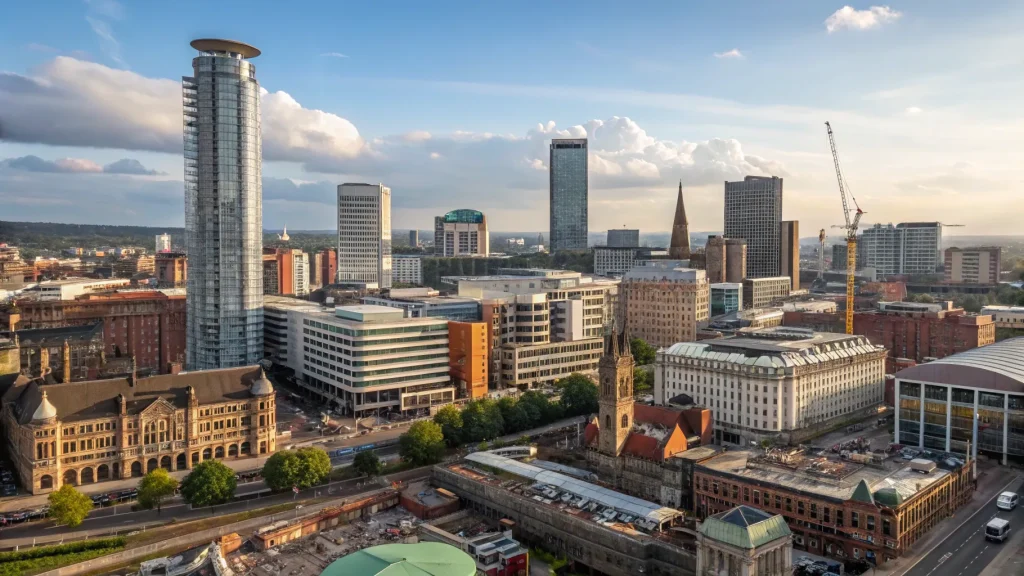
Tom Wagner, the American owner of Birmingham City FC and a key figure behind a major development push in Birmingham, says a pullback by some investors in the United Kingdom is creating an opening for new US money. His view comes as the club pursues deep-rooted changes on and off the pitch, and as the city seeks private capital for large projects amid tighter public budgets.
Wagner framed the shift in blunt terms.
“The exit of investors from the UK is an advantage for US backers.”
The comments highlight the mood among overseas buyers who see value in British assets during a period of higher interest rates, a softer pound in recent years, and pressure on property owners. Birmingham, the UK’s second largest city, sits at the center of that story.
Table of Contents
ToggleA Buyer’s Market After the Pullback
International funds have spent years targeting UK assets, from offices to football clubs. The tone changed as borrowing costs rose and some investors reduced exposure. That retreat has left projects seeking fresh partners and repricing underway across sectors.
For US buyers with dollar funding and longer time horizons, the gap can look like value. Assets tied to urban growth, sports, and entertainment have drawn special attention. Wagner’s stance reflects that logic, pairing club ownership with a wider city-building pitch.
Analysts point to three factors behind fresh interest:
- Lower asset prices in parts of real estate and infrastructure.
- A currency trade that can boost dollar-based returns.
- Public-sector budget strains that leave room for private capital.
Football, Real Estate, and Civic Plans
Wagner’s Birmingham strategy blends sport, property, and local workforce aims. Club improvements can anchor nearby development, draw footfall, and help lift adjacent sites. This model is not new, but the timing is different. With traditional funding less abundant, owners with fresh capital can move faster.
The approach echoes moves at other English clubs with US ties, where stadium upgrades and mixed-use districts have become core to the investment case. Backers say it boosts matchday revenue, adds year-round income, and ties club fortunes to city growth.
Supporters in Birmingham want clear timelines and delivery. City leaders want jobs and new tax base. Wagner’s comments suggest he sees the current market as the moment to commit.
Why Birmingham, Why Now
Birmingham has a young population, central transport links, and a history of industry. It also faces fiscal pressure and uneven property markets. That mix can attract investors willing to plan in stages and share risk with local partners.
Wagner’s focus on the city fits a broader pattern: use a club brand to anchor a district, upgrade training and stadium facilities, and pull in hospitality and events. Success depends on permits, community support, and cost control during a choppy construction cycle.
Competing Views and Risks
Not everyone sees a clear win. Tenant demand for office space is changing, construction costs remain high, and consumer budgets are tight. If rates stay elevated, refinancing could bite. Football revenues can be volatile, hinging on performance and league status.
Community groups also push for tangible benefits. They want local hiring, affordable access to facilities, and protections against displacement. Without those, support can fade, even for projects that promise new jobs.
What to Watch
Deals will likely cluster around assets with stable cash flow or obvious upgrade paths. Expect investors to favor phased projects that can scale as markets improve. Clubs that link facility upgrades to clear community benefits may face fewer hurdles.
For Birmingham, the test will be execution. The city needs progress on sites, clarity on planning, and confidence that private money will stay the course. Wagner’s stance signals intent, but delivery will decide outcomes.
Wagner’s message is simple, and timely for a city seeking momentum: when some step back, others step in. If US capital meets local priorities, Birmingham could turn a market lull into a building phase. If costs or politics stall plans, the moment may pass. Investors, fans, and residents will be watching the next set of approvals and groundbreakings to see which way it goes.