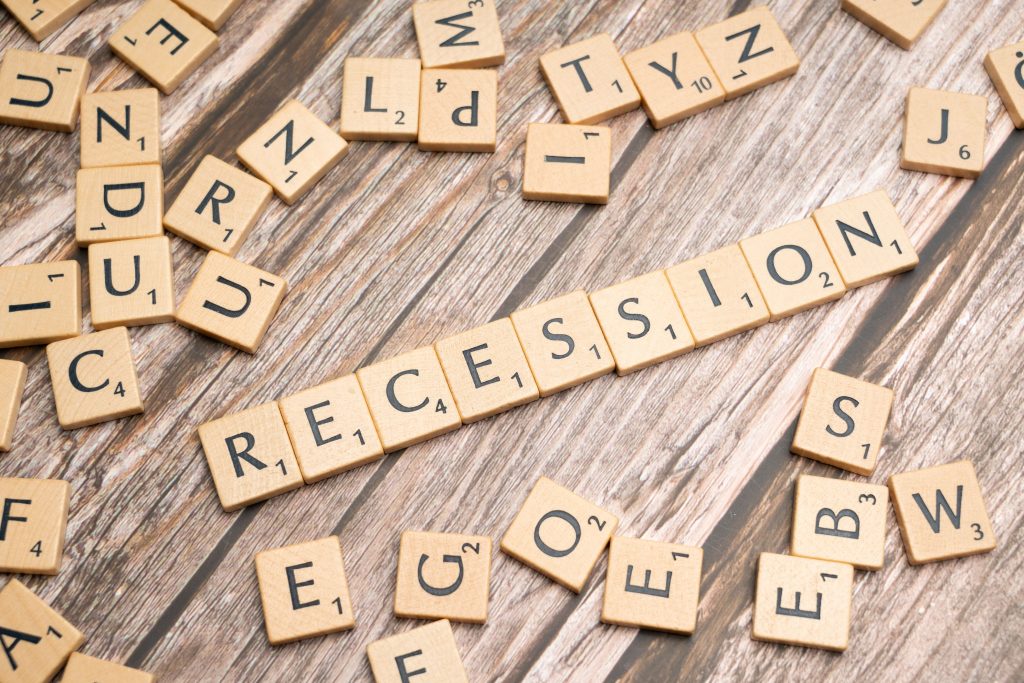
To financially prepare for a recession, focus on four things: build a bigger emergency fund, pay down high-interest debt, diversify your income, and keep investing on your normal schedule. You can’t control the economy, but you can make your own finances more resilient so that a downturn, or a job loss during one, becomes a manageable setback instead of a catastrophe. The goal isn’t to predict the next recession; it’s to be ready whenever one arrives.
Nobody can reliably time these things, and that’s exactly the point. Preparing in calm times is far easier than scrambling once the headlines turn scary, so the best moment to recession-proof your finances is before you think you need to.
Table of Contents
ToggleKey Takeaways
- Grow your emergency fund toward the higher end, six months or more, if a downturn looms.
- Kill high-interest debt, which becomes especially dangerous if your income drops.
- Diversify your income so you’re not dependent on a single paycheck.
- Keep investing on schedule; downturns are when long-term investors buy at lower prices.
- Recessions are normal: economists regularly put the odds of one in the coming year at meaningful levels.
Recessions Are a Normal Part of the Cycle
It helps to treat recessions as a “when,” not an “if.” Economists surveyed for Bankrate’s research have pegged the probability of a U.S. recession in the coming year at roughly 1 in 4 at various points, and downturns arrive periodically no matter how strong things feel. Rather than trying to forecast the exact timing, the smart move is building resilience that pays off regardless of when the next one hits.
“The four most dangerous words in investing are: ‘this time it’s different.'”
— Sir John Templeton, investor
Your Recession-Prep Checklist
Work through these in order of impact:
- Build a larger cash cushion, aiming for six months of essential expenses or more.
- Pay down variable-rate and high-interest debt before money gets tight.
- Add income streams, whether a side gig, freelance work, or marketable new skills.
- Keep your resume and network current, so a job search would start from strength.
- Avoid panic-selling investments, and keep contributing through the downturn.
A Realistic Preparation Example
Consider an illustrative case. Elena felt uneasy reading recession headlines. Instead of pulling her money out of the market, she built her emergency fund from three months to six months of expenses, aggressively paid off a $6,000 credit card balance, and picked up freelance work to add a second income stream. When her company later did layoffs, she wasn’t affected, but a coworker without those buffers was. Elena’s preparation didn’t require predicting anything; it just made her far harder to knock over. That’s the whole idea.
What Not to Do
Preparation is about resilience, not panic. Two common mistakes hurt people the most: selling investments in fear (which locks in losses and misses the eventual recovery) and hoarding so much cash that you stop investing entirely. History shows downturns are often the best times for long-term investors to keep buying. Stay the course with your investing while shoring up your cash and debt position, and you get the best of both.
Frequently Asked Questions
How much should I save before a recession?
Aim for a larger emergency fund than usual, ideally six months or more of essential expenses, since job losses tend to rise during downturns. The extra cushion buys you time if your income is disrupted.
Should I stop investing during a recession?
Generally no. Continuing to invest on schedule lets you buy at lower prices, and long-term investors who stay the course historically recover and grow. Panic-selling tends to lock in losses and miss the rebound.
Should I pay off debt or save more before a recession?
Do both, with priority on high-interest debt and a solid cash cushion. High-interest debt becomes especially risky if your income drops, while a larger emergency fund protects you from having to borrow.
The Bottom Line
Recession-proofing your finances comes down to resilience: a bigger emergency fund, less high-interest debt, diversified income, and steady investing. You can’t control when a downturn hits or how deep it goes, but you can control how prepared you are. Build these buffers while times are calm, and a recession becomes something you weather, not something that derails you.
Image Credit: Markus Winkler; Pexels