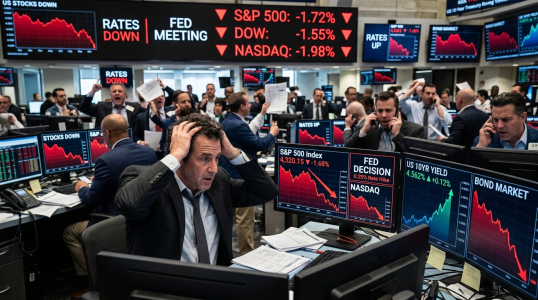
Stocks and bonds can rise after the Federal Reserve raises interest rates, even though higher rates usually put pressure on both. That reaction may seem backward. Yet markets respond to expectations, credibility, and future risks, not only to the latest policy decision. As Taylor Sohns, CEO of LifeGoal Wealth Advisors and a CIMA and CFP professional, I view this type of rally as a useful lesson in how investors process new information.
Table of Contents
ToggleWhy the Rally Looked Counterintuitive
Higher interest rates are usually viewed as a challenge for financial assets. They raise borrowing costs for households and businesses. They may also slow economic growth and reduce the value investors place on future company earnings.
Bonds can face direct pressure from rising rates. When newly issued bonds offer higher yields, older bonds with lower payments become less attractive. Their market prices often fall as a result.
Stocks can also struggle. Higher rates increase the cost of business loans and make bonds or cash more competitive with equities. Companies with expected profits far in the future may be especially sensitive.
Given those effects, a rally in both stocks and bonds after a rate increase may look irrational. It is not necessarily irrational. The key is to compare the decision with what investors had already expected.
“Counterintuitively, the market celebrates rate hikes because of the Fed’s willingness to fight inflation.”
The market was not simply reacting to a rate increase. It was reacting to stronger evidence that the Fed intended to control inflation.
View this post on Instagram
Markets Price Expectations Before Announcements
Financial markets rarely wait for an official announcement before moving. Investors constantly estimate what central banks, companies, and governments may do next.
Those estimates affect prices long before an event occurs. By the time a rate increase is announced, much of its expected impact may already be reflected in stocks and bonds.
This leads to a basic market principle: prices respond to the difference between expectations and reality.
A rate hike can produce a rally if investors feared a worse outcome. They may have expected a larger increase, weaker communication, or no credible plan for inflation. A clear policy response can reduce those concerns.
The immediate decision also matters less than the path officials signal for the coming months. Investors study policy statements, economic projections, and remarks from Fed leaders. They want to know how quickly rates may change and what conditions could alter the plan.
- A widely expected rate hike may cause little damage on announcement day.
- A firm inflation plan may reduce uncertainty about future policy.
- Clear guidance can help investors estimate borrowing costs and economic growth.
- Markets may rally if the decision removes a more severe feared outcome.
This is why the same rate increase can produce different reactions at different times. Context matters as much as the headline.
The Fed’s Credibility Matters
Before the policy decision, Treasury yields had moved higher throughout the year. The climb resembled a staircase, with investors repeatedly demanding more compensation for inflation and interest-rate risk.
That pattern suggested doubt about whether the Fed would act forcefully enough. In practical terms, the bond market was challenging the central bank’s inflation-fighting credibility.
Inflation can remain elevated if households, businesses, and investors begin to expect it. Workers may seek larger pay increases. Companies may raise prices sooner. Lenders may demand higher yields to offset the loss of purchasing power.
A central bank must convince the public that it is prepared to contain those pressures. Words alone may not be enough. Policy action gives those words greater weight.
The Fed answered the market’s doubts by raising rates and signaling more increases during the year. That message showed a willingness to accept slower activity in exchange for greater price stability.
From my perspective, the important news was not just that rates rose. The policy signal suggested that officials recognized the inflation threat and were prepared to respond.
Why Bond Prices Could Rise
Bond prices and bond yields generally move in opposite directions. If investors buy Treasury bonds, their prices rise and their yields fall. Therefore, a day with falling rates and strong bond returns is consistent with renewed demand for bonds.
This can happen after a rate increase for several reasons. First, investors may believe firmer policy will limit long-term inflation. Lower expected inflation can reduce the yield buyers demand on longer-term bonds.
Second, higher short-term rates may slow future economic growth. That can also pull longer-term yields lower. Investors may buy government bonds if they expect weaker growth or reduced inflation pressure.
Third, traders may have positioned for an even harsher outcome. Once the actual decision arrives, they may reverse those positions. That buying can lift bond prices quickly.
These forces help explain why bonds can rally on the same day the Fed raises its policy rate. The central bank controls a very short-term rate, while market forces shape yields across many maturities.
Why Stocks Could Join the Rally
Stocks may benefit when uncertainty falls. Businesses and investors can make better estimates if the Fed provides a clearer policy path, even when that path includes tighter financial conditions.
A serious response to inflation may also support long-term economic stability. Persistent inflation can hurt consumer purchasing power, squeeze company costs, and create uneven planning conditions. Investors may prefer near-term rate increases over a longer inflation problem.
The rally does not mean higher rates suddenly became good for corporate profits. It means the market viewed credible inflation control as better than the alternative.
Stock prices also reflect positioning and sentiment. If many investors had already sold shares before the meeting, the absence of a negative surprise could prompt buying. Traders who had bet on further declines may also close those positions.
Several ideas can therefore be true at once:
- Higher rates can place pressure on stock valuations.
- Inflation can cause even greater long-term damage.
- Investors may welcome a credible plan to contain inflation.
- A relief rally may occur without changing the longer-term economic risks.
A One-Day Move Is Not a Long-Term Signal
A strong session after a Fed meeting should not be treated as proof that every risk has passed. Daily market moves often reflect trading positions, short-term relief, and rapid changes in expectations.
The longer trend depends on inflation data, employment, consumer demand, business profits, and later Fed decisions. Policy can also take months to affect the economy.
Inflation may decline as tighter credit reduces demand. Yet aggressive tightening can also increase recession risk. The Fed must balance price stability with employment and economic activity, although that balance is difficult during an inflation surge.
Investors should avoid building a financial plan around one trading day. A diversified portfolio should account for many possible outcomes, including slower growth, persistent inflation, falling rates, or additional tightening.
How Investors Can Read Fed-Day Moves
I recommend looking past the headline and asking what changed relative to market expectations. This approach can make a confusing response easier to interpret.
- Check whether the rate decision matched the expected increase.
- Review the Fed’s guidance about later meetings.
- Watch Treasury yields across short and long maturities.
- Consider whether inflation expectations moved higher or lower.
- Separate a short-term relief move from a lasting trend.
It also helps to distinguish the federal funds rate from longer-term Treasury yields. The Fed sets a target for overnight lending between banks. Investors determine other market rates through buying and selling.
That distinction explains how the Fed can raise its target while longer-term yields fall. Markets may conclude that higher short-term rates will reduce inflation or weaken future growth.
The central lesson is simple: markets do not grade an event as good or bad in isolation. They judge whether the event improved or worsened the expected future.
In this case, stocks and bonds rose because the Fed demonstrated a stronger commitment to fighting inflation. Higher rates still carried costs. However, a credible response reduced fears that inflation would remain unchecked.
Investors should resist reacting only to headlines. Compare each decision with prior expectations, study the policy message, and keep short-term price action in perspective. That habit can turn an apparently backward market move into a logical one.
Frequently Asked Questions
Q: Why would stocks rise when the Fed increases rates?
Stocks may rise if the increase was already expected or less severe than feared. A clear inflation plan can also reduce uncertainty and improve confidence in long-term price stability.
Q: How can bond prices rise after a rate hike?
Investors may buy longer-term bonds if they expect tighter policy to lower inflation or slow growth. Increased demand raises bond prices and pushes their yields lower.
Q: Does a post-meeting rally mean the market has bottomed?
No. A single rally may reflect relief, trading positions, or lower uncertainty. Longer results depend on inflation, economic growth, company earnings, and future Fed policy.