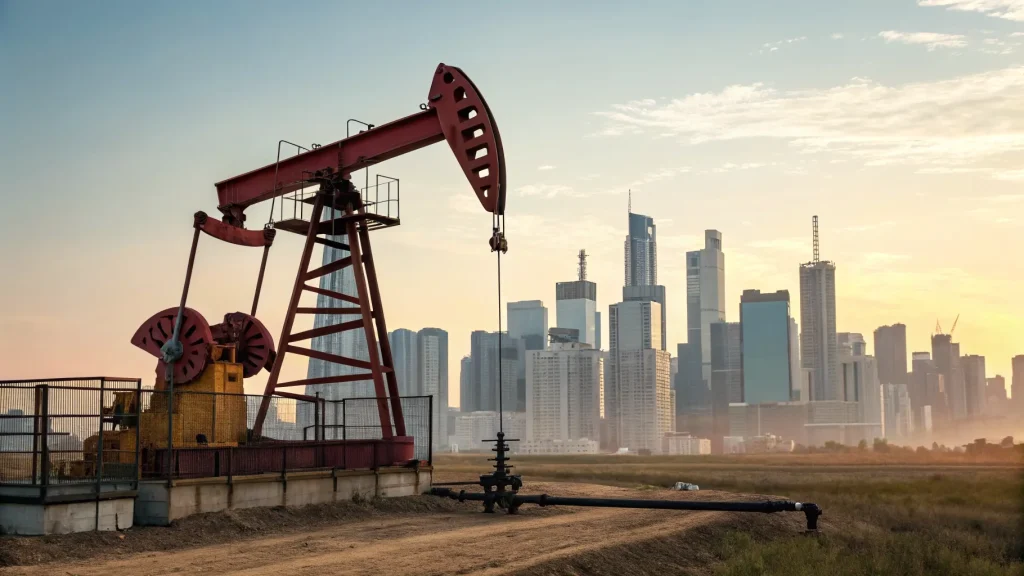
Oil has jumped, and near-term inflation expectations have jumped with it. The one-year outlook moved from 2.6% to 5.2%. On the surface, that looks like a clear signal for higher prices ahead. But look a step further. I’m Taylor Sohns, CEO of LifeGoal Wealth Advisors, a CIMA and CFP. In this piece, I explain why a spike in oil often plants the seeds for lower inflation down the line.
Table of Contents
ToggleHigher Oil Hits Every Corner of the Budget
Gas is the most visible cost. The average household is set to spend about $700 more at the pump. That is a direct hit to disposable income. When more dollars go to fuel, fewer dollars are left for dinners out, travel, or savings. This shift does not stop at gas stations. Oil is a base input for much of daily life.
- Airfare rises as jet fuel costs increase.
- Food prices feel pressure from farm fuel and freight.
- Plastics, packaging, and goods built from petrochemicals get pricier.
- Shipping surcharges show up on those doorstep deliveries.
At first, businesses try to pass through higher costs. Consumers accept some of it. Over time, many cannot. That is where the story changes.
View this post on Instagram
The Demand Squeeze That Follows
Price spikes change behavior. Households cut out non-essentials. They delay larger buys. They trade down on brands. Companies then face two choices: keep prices high and watch sales fall, or cut prices to move inventory. Many lower prices, trim margins, or scale back production. This is where deflationary pressure appears.
Higher energy costs do not only raise prices; they also slow demand. A slowdown takes the heat out of the broader price level. That shift can overpower the initial burst of inflation from the oil shock. What starts as an inflation scare often ends as a cooling trend.
History Shows the Pattern
Oil shocks have a long track record. We have seen the same movie many times. Spikes in energy costs are often followed by weak growth or outright contraction. That cooling is deflationary.
“10 of the last 11 U.S. recessions were preceded by a spike in oil prices.”
Recessions reduce spending power and hiring. They slow wage growth. Inventories build. Discounts spread. While every cycle is unique, the chain reaction from oil to demand to prices has been clear more often than not.
Why Expectations Can Be Misleading
Inflation expectations jump fast when energy jumps. People feel the change immediately at the pump. That reaction is real, but it reflects the near term. Expectations measure sentiment more than the full path of prices. They often miss the second act: the demand pullback.
When fuel eats a larger share of paychecks, price sensitivity rises. Retailers respond. Producers respond. Even service providers respond. Over a longer window, the economy tends to cool, not heat.
How the Transmission Works
The mechanics are simple. Oil is an input. When the input rises, output prices rise. But income does not automatically rise to match. That gap tightens budgets. Tight budgets slow purchases. Slower purchases force sellers to compete harder on price.
In transportation, carriers may first add surcharges. As volumes soften, they cut base rates to win lanes. In goods, brands may lift list prices. As shelves fill, they offer promotions and bundles. In services, providers who raised fees find clients pushing back, so they freeze or discount. The initial price shock fades into discounting pressure.
Short-Term Pain, Long-Term Cooldown
I watch two clocks. The short clock shows higher prices now. The long clock often shows softening later. If oil holds high for long, the drag on growth builds. Households pare back. Businesses scale plans. Credit tightens. Inventories reset. Those steps tend to stop inflation from running hot.
Of course, if oil spikes and quickly retreats, the shock may wash out faster. But sustained high energy costs have a way of slowing the machine. That slowing has a downward pull on prices across many categories.
What Consumers Can Do Right Now
There are practical steps that help you get through the squeeze and position for the cooldown.
- Track fuel and grocery spend weekly. Shift to lower-cost retailers if needed.
- Delay non-urgent big-ticket purchases that face discount risk later.
- Lock in fixed bills where possible. Avoid new variable-rate debt.
- Build a cash buffer. A slowdown can bring job and income risk.
Small changes stack up. Even modest fuel savings and a trimmed shopping list can offset part of that $700 gas hit.
What Investors Should Watch
Markets move fast on headlines, but trends take time. Keep an eye on the following signals that confirm the demand squeeze.
First, look at retail sales ex-gas. If those flatten or fall, the fuel bite is showing up. Second, watch freight rates and shipping volumes. Softening there often precedes broad discounting. Third, track inventory-to-sales ratios. Rising ratios push sellers toward price cuts. Finally, monitor corporate commentary. When management teams talk about “value” and “promotions,” they are preparing to sacrifice margin to keep volume.
In bonds, a clear growth slowdown can cap longer-term yields. In equities, companies with pricing power may hold up, but many will feel margin pressure before a later reset. Patience matters. Chasing the immediate inflation scare can backfire if the deflationary impulse arrives on cue.
The Policy Angle
Central banks watch energy but focus on underlying trends. If oil lifts headline inflation for a spell, but demand weakens, policymakers may look through the bump. If the slowdown is clear, they may shift to supporting growth. The timing is never perfect, yet the pattern repeats. A broad cooling from high energy costs can lead to easier policy later, not tighter.
Real-World Examples You See Every Day
Think about airfare. Airlines tend to raise prices when fuel jumps. Flights fill for a while because demand is sticky. Then bookings slow. Carriers release sales, add reward seats, or adjust routes. The fare spike eases.
Consider packaged goods. Input costs rise with oil-linked plastics and transport. Brands lift prices. Shoppers switch to store brands or smaller sizes. Promotions spread across aisles. You start to see more “buy one, get one” signs. Price levels soften.
Look at e-commerce. Delivery fees and surcharges creep up. But cart abandon rates rise. Retailers answer with free shipping thresholds, coupons, and seasonal deals. The initial fee hike gives way to promotions to drive conversions.
What Could Break the Pattern
There are scenarios where oil rises and stays high without a strong demand hit. A massive, synchronized boom could do that, but it is rare. More often, wage growth does not keep pace, and the squeeze returns.
Another risk is supply-side shocks that linger. If supply remains tight even as demand slows, energy prices can stay elevated. Yet even then, the rest of the basket can cool as consumers cut back elsewhere. The net effect often points to softer overall inflation than feared.
Key Takeaways
- One-year inflation expectations jumped from 2.6% to 5.2% as oil rose.
- The average household may spend about $700 more on gas.
- Higher energy costs spread through airfare, food, plastics, and shipping.
- After an initial bump, demand often weakens, and price cuts follow.
- Historically, oil spikes have often come before recessions, which are deflationary.
My Bottom Line
I respect the sticker shock at the pump. I feel it too. But higher oil often sets the stage for a cooler price path later. Households shift, businesses adjust, and the economy slows enough to pull inflation down. That is the counterintuitive lesson. Stay patient, manage cash flow, and watch the signals. Short-term pain can lead to long-term price relief. As always, keep your plan steady and your time horizon in focus.
Frequently Asked Questions
Q: Why do inflation expectations jump when oil prices rise?
People feel higher fuel prices right away, so surveys reflect that pain. Those measures capture short-term sentiment, not the full cycle that often cools demand later.
Q: How can higher oil costs end up lowering prices elsewhere?
Fuel takes a bigger share of budgets, leaving less for other goods and services. Sellers then cut prices or run promotions to keep volume, which pressures overall inflation.
Q: What signals suggest the deflationary effect is starting?
Watch retail sales excluding gas, freight rates, inventory-to-sales ratios, and company comments about discounting. Weakness in those areas often appears before broader price relief.