Table of Contents
ToggleKey Takeaways
- A bond is essentially a loan you make to a government or company, which pays you interest and returns your principal at maturity.
- Bonds are generally less volatile than stocks, so they’re used to add stability and cushion a portfolio.
- Bond prices move opposite to interest rates: when rates rise, existing bond prices fall, and vice versa.
- Whether you should own bonds depends on your time horizon and risk tolerance, not on trying to time the market.
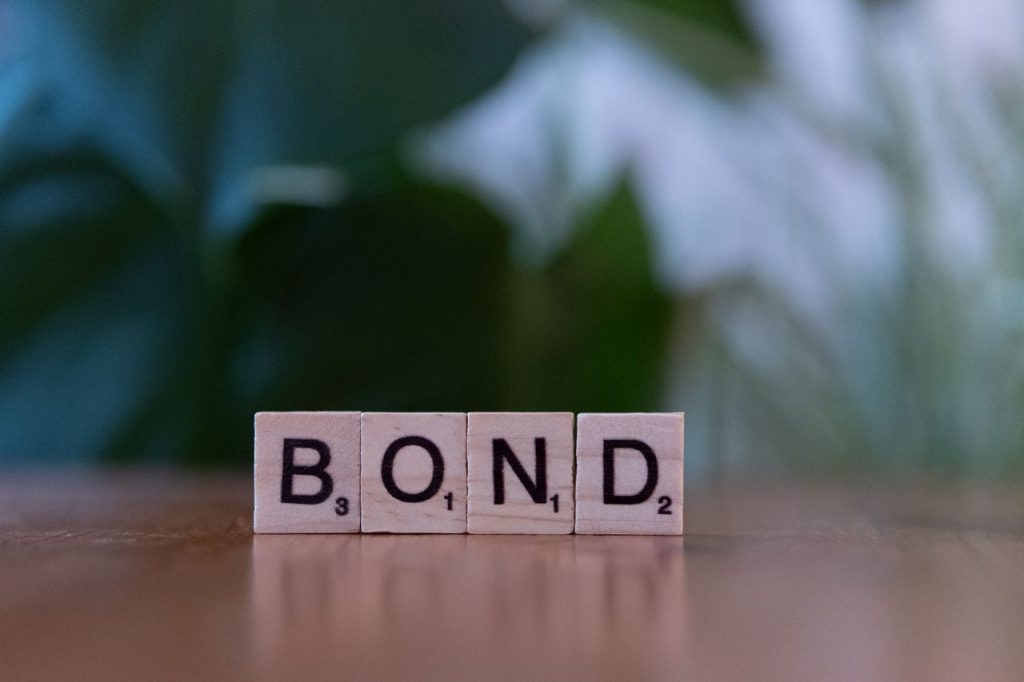
Stocks get all the attention, but bonds are the quiet workhorses of a well-built portfolio. If you’ve ever wondered what a bond actually is, why anyone buys them, or whether you should own them right now, this article lays it out plainly. We’ll cover how bonds work, the relationship between bonds and interest rates, and how to think about their role in your own plan.
The short version: a bond is a loan with a schedule. You lend money, you collect interest along the way, and you get your money back at the end—assuming the borrower doesn’t default.
What a bond actually is
When you buy a bond, you’re lending money to the issuer—a government, municipality, or company. In return, the issuer promises to pay you interest (called the coupon) at set intervals, and to return your original investment (the principal, or face value) on a specific maturity date. Buy a $1,000 bond paying 4% for ten years, and you’d collect $40 a year for ten years, then get your $1,000 back. It’s the mirror image of borrowing: instead of paying interest, you’re earning it.
“Stocks make you an owner; bonds make you a lender. Owners chase growth and ride the volatility; lenders trade some upside for a steadier, more predictable return.”
Why bonds belong in a portfolio
Bonds generally rise and fall less dramatically than stocks. That relative stability is exactly why investors hold them: when stocks tumble, high-quality bonds often hold their value or even rise, cushioning the overall portfolio. They also provide predictable income. As you get closer to needing your money—approaching retirement, for instance—shifting some of your portfolio into bonds reduces the risk that a stock crash at the wrong moment derails your plans. Bonds are the ballast, not the engine.
The one rule to remember: rates and prices move opposite
The most important bond concept trips up newcomers: bond prices move opposite to interest rates. If you own a bond paying 3% and new bonds start paying 5%, your 3% bond becomes less attractive, so its market price falls. Conversely, if rates drop, your higher-paying bond becomes more valuable. This is why bond values can fluctuate even though the bond itself keeps paying its fixed coupon.
If you hold a bond to maturity, these price swings don’t affect what you ultimately collect—you still get your principal back—but they matter if you need to sell early or if you own a bond fund.
Types of bonds
| Type | Issued by | General profile |
|---|---|---|
| Treasury bonds | U.S. federal government | Very low default risk |
| Municipal bonds | State/local governments | Often tax-advantaged income |
| Corporate bonds | Companies | Higher yield, more risk |
| High-yield (“junk”) | Lower-rated companies | Highest yield, highest risk |
Should you own bonds right now?
The honest answer is that “right now” is usually the wrong lens. The question isn’t whether bonds are perfectly timed—it’s whether they fit your time horizon and risk tolerance. A young investor with decades ahead may hold few or no bonds and prioritize growth.
Someone near or in retirement typically holds a meaningful bond allocation for stability and income. Rather than guessing rate moves, most investors get bond exposure through a low-cost bond index fund and set their stock-to-bond mix based on their goals. If rates are higher, newly issued bonds simply pay more income—a feature, not a reason to time your entry. (This is general information, not personalized investment advice.)
Frequently asked questions
What is a bond in simple terms?
It’s a loan you make to a government or company. They pay you interest at set intervals and return your original investment on the maturity date. In effect, you become the lender and earn interest instead of paying it.
Are bonds safer than stocks?
Generally, they’re less volatile, especially high-quality government bonds, which is why they’re used to stabilize a portfolio. But “safer” isn’t “risk-free”—bond prices fall when interest rates rise, and lower-rated bonds carry default risk.
Why do bond prices fall when interest rates rise?
Because newer bonds pay a higher rate, your older, lower-paying bond becomes less attractive to buyers, so its market price drops. If you hold the bond to maturity, though, you still receive its fixed interest and your principal back.
Should I own bonds if I’m young?
Many young investors hold few bonds, favoring stocks for long-term growth since they have time to ride out volatility. As you approach the time you’ll need the money, gradually adding bonds helps protect against a poorly timed market downturn.
Image Credit: Markus Winkler; Pexels