I expected Warren Buffett to reject military involvement in Iran outright. Instead, he framed the debate around nuclear risk. His message was plain and unsettling. The world is far more dangerous when more countries have nuclear weapons. He pointed out that there are now nine nuclear-armed states. During the Cold War, there were two. He also contrasted rational leaders of the past with today’s unpredictable actors. That context shaped his response to the Iran question. He would not give a simple yes or no. But he did say it is harder if Iran gets the bomb. That nuance could influence both policy and politics right away.
Table of Contents
ToggleWhat Surprised Me About Buffett’s View
Buffett is often seen as left-leaning and cautious on war. I expected a forceful “we should not be there.” Instead, he focused on risk management. His lens was nuclear proliferation. He kept coming back to how the threat profile has changed since the Cold War. That shift changes the calculus for any action or restraint in Iran.
“Khrushchev was a perfectly rational guy.”
That line stopped me. It reframes a period many remember as the height of danger. The point was not to praise Khrushchev. It was to highlight a key idea: deterrence worked because the core players acted rationally. They feared mutual destruction and stepped back from the brink. Today, we cannot assume that restraint from every actor.
View this post on Instagram
Nine Nuclear-Armed States Change the Risk Profile
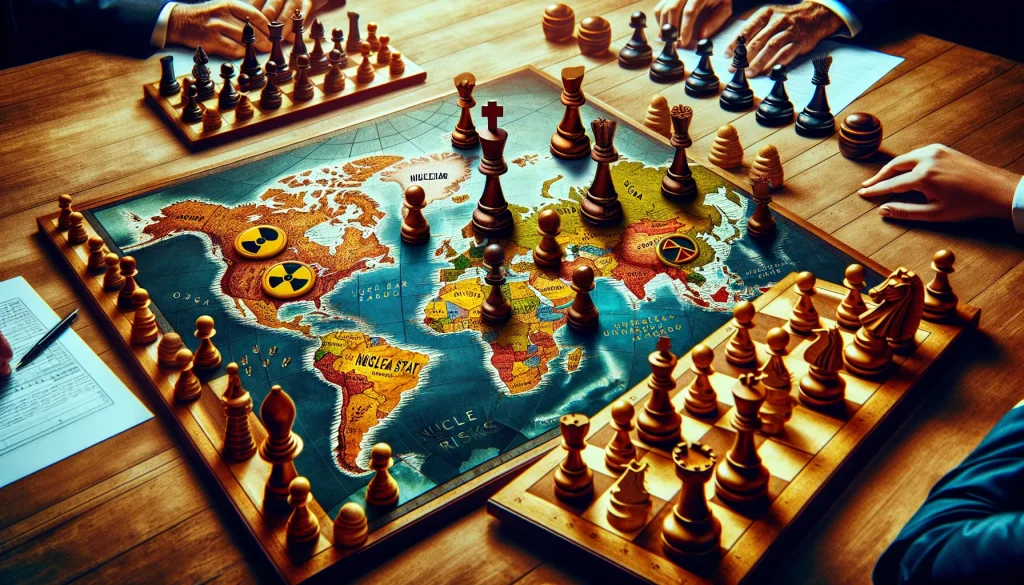
Buffett emphasized that nine countries now have nuclear capabilities. During the Cold War, the world worried about two superpowers. Fewer players meant clearer lines of communication and deterrence. More players mean more chances for error, misread signals, or opportunism. That raises the odds of an accident or a rapid escalation no one plans.
The nine commonly cited nuclear-armed states are the United States, Russia, China, France, the United Kingdom, India, Pakistan, North Korea, and Israel. They do not share the same doctrines or command structures. Some have long-standing rivalries. Some have opaque decision processes. Not all leaders will weigh risks the same way. The range of possible reactions in a crisis is wider than it was in the past.
Rational Versus Irrational Actors
Buffett contrasted the Cuban Missile Crisis era with the current set of threats. He stressed that at that time, the opposing leader was rational. That helped prevent catastrophe. Now, some regimes use nuclear capability as a shield for provocation or leverage. This is where he specifically referenced North Korea. That example highlights how nuclear status can encourage more risk-taking at the edges.
Iran’s nuclear ambitions sit inside that frame. The core question is not only whether Iran wants a weapon. It is how the entire security environment changes if Iran gains one. Regional rivals might feel forced to match it. Miscalculation risk rises. Crisis hotlines can fail. Cyberattacks can interfere with warning systems. Each layer compounds the danger.
“I just don’t know the answer for it, but I do know it’ll be more difficult if Iran has the bomb than if they don’t.”
That is not a full-throated endorsement of war. It is a sober statement about trade-offs. He left room for diplomacy, pressure, or other means. But he drew a clear line on consequences. A nuclear-armed Iran would be harder for the world to manage.
Key Points to Keep in Mind
- Buffett centered the discussion on nuclear risk, not ideology.
- He highlighted the jump from two to nine nuclear-armed states since the Cold War.
- He contrasted rational Cold War leadership with today’s unpredictable actors.
- On Iran, he would not offer a clean yes or no, but warned a nuclear Iran raises danger.
- His comments could be used by policymakers and political leaders on both sides.
How This Framing Could Shape Policy
Viewing Iran through the nuclear lens changes the debate from “war or no war” to “contain risk now or face greater risk later.” That does not mandate a specific policy. It urges a serious look at deterrence, verification, and response timelines. Options range from sustained diplomacy and tighter sanctions to covert disruption and military containment. Each path has trade-offs. The message is to rank them by how well they cut the chance of a nuclear breakout and a regional arms race.
Nonproliferation has always relied on a mix of carrots and sticks. Agreements help, but only if verification is strong. Sanctions bite, but can entrench hardline views. Covert action delays, but can spark retaliation. Military strikes may set programs back, but they carry high escalation risk. Buffett did not pick a path. He simply noted the outcome to avoid: a world where Iran joins the nuclear club and multiplies the odds of a crisis.
The Political Ripple Effect
Leaders often reach for voices that carry trust beyond politics. Buffett is one of those voices. That is why his words could surface in a primetime speech. I would not be surprised if a president cites him to build support for a tougher line. His reputation for clear thinking on risk makes his comments potent, even if they were careful and qualified.
Expect both sides to use his remarks. Supporters of military pressure will point to his warning on a nuclear Iran. Advocates of diplomacy will cite his refusal to endorse a specific move. His words cut both ways. That makes them useful to anyone trying to shape public opinion without appearing partisan.
Markets Care About Nuclear Risk
As an investor and advisor, I watch how geopolitical risk feeds into prices. Nuclear risk is a tail event with outsize impact. Even a small increase in perceived odds can shift markets. Energy prices are the first place to look. Any disruption in the Persian Gulf can move oil and gas. Shipping routes, insurance costs, and strategic reserves come into play fast.
Defense, cybersecurity, and critical infrastructure names often see inflows when conflict risk rises. Long-term bonds can rally as a flight to safety, but that can flip if inflation jumps due to energy shocks. Currencies respond to risk-off moves, with the dollar and Swiss franc often gaining. Gold can catch a bid as a hedge. These reactions do not predict outcomes. They reflect how capital seeks safety when probabilities are unclear.
Portfolio construction should account for these shocks. Diversification across asset classes helps. Liquidity and position sizing matter. Hedging energy or equity exposure with options may make sense for some. Time horizon is key. Short-term swings can be sharp. Long-term investors should focus on resilience and avoid forced selling.
What History Teaches Without Romanticizing the Past
The Cold War had close calls. Human judgment and a bit of luck prevented disaster more than once. But the structure of deterrence relied on two superpowers who understood the stakes. They managed channels, even amid rivalry. Today’s map is less tidy. A single incident or false alarm in one region can trigger chain reactions elsewhere.
History also shows that once a country crosses the nuclear threshold, rolling it back is rare. The safer path is prevention before the last step, through layered pressure and credible inspections. Doing nothing is not neutral if it invites a race for parity. Acting rashly is also dangerous if it breeds the very fear it tries to stop. That is the tightrope.
Reading Buffett’s Caution Correctly
Buffett did not endorse a war. He avoided a black-and-white stand. His point was about risk math. A nuclear-armed Iran raises the baseline threat for the region and the world. He emphasized the difference between a world of rational, constrained actors and one that includes leaders who may not back down when pressed.
North Korea’s pattern is the cautionary example. Nuclear status can shield conduct that otherwise would draw a firm response. That shield erodes deterrence. It forces every crisis to be managed with more care and fewer good options. Buffett drew that line without stoking fear. He pointed to the stakes and left the policy choice open.
What I’m Watching Next
I will watch how policymakers quote him. If a president references his remarks in an address, the framing will matter. Is the message that risk must be reduced through pressure, or that restraint now avoids missteps? Markets will parse that tone in real time. Energy, defense, and safe-haven assets will react first.
I will also watch for any shift in coalition language. Do allies echo the nuclear-risk framing? Do they push for tighter inspections or new security guarantees? Those signals can change the path from words to actions. They can also change how investors weigh outcomes over the next quarter.
Practical Takeaways for Citizens and Investors
The world is dealing with more nuclear actors than during the Cold War. That raises the chance of error and misread intent. Iran’s status sits at the center of that concern. A nuclear Iran would complicate every decision in the region. It would raise the odds of a misstep with global effects.
As citizens, demand clear goals, exit plans, and definitions of success from leaders. As investors, prepare for volatility without trying to guess the exact headline. Focus on risk controls you can manage. Keep some dry powder. Check concentration risk. Do not chase moves sparked by fear. Stick to a process.
Why Buffett’s Words Landed
They were simple, direct, and hard to spin. He did not pound the table. He set a frame: proliferation makes problems tougher. Rational deterrence is not guaranteed. If Iran gains a bomb, the world lives with higher odds of a bad day. That message will echo in policy rooms, trading floors, and living rooms alike.
I came away unsettled but grateful for the clarity. The choice is not between war and peace as abstract ideas. It is between actions that cut nuclear risk and paths that let it rise. That is the measure leaders should use, and the lens we should apply as we weigh what comes next.
As CEO of LifeGoal Wealth Advisors and a CFP and CIMA professional, I focus on risk, probability, and outcomes. Buffett’s comments asked us to do the same here. We should weigh not just the costs of action, but the compounding costs of inaction if it leads to nuclear spread. That is a sober standard. It is also the right one.
Frequently Asked Questions
Q: What was the core message from Warren Buffett?
He focused on nuclear proliferation as the key risk. He avoided a simple yes or no on Iran, but warned that a nuclear-armed Iran would make the world more dangerous.
Q: Why does the number of nuclear states matter so much?
More nuclear actors raise the chances of mistakes, misread signals, and rapid escalation. Different doctrines and command systems make crises harder to control.
Q: How could these comments affect markets and portfolios?
Rising geopolitical risk can move energy prices, lift defense and safe-haven assets, and spark volatility. Diversification, liquidity, and clear risk controls help manage these swings.