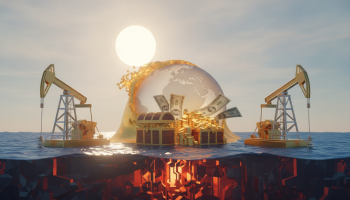
Three of the world’s largest oil companies reported standout results, signaling a powerful profit surge across the sector. Chevron logged its highest quarterly earnings ever, Shell posted its second-best quarter, and ExxonMobil doubled earnings from a year earlier. The reports, released this week, spotlight how high commodity prices and tight supply continue to shape the market.
The results arrive as energy demand holds firm and fuel prices remain sensitive to supply shocks. Investors cheered the gains, while consumer groups raised questions about pump prices and the pace of investment in cleaner energy.
Table of Contents
ToggleWhat Drove the Windfall
Oil and gas prices have stayed elevated compared with recent years, helped by ongoing supply constraints and steady consumption. Refineries ran hard to meet travel and freight demand. Margins on refined products, like gasoline and diesel, stayed strong in many regions.
Natural gas markets remained volatile, especially during peak weather seasons. That price swing boosted trading and gas-linked earnings for integrated firms. Together, these forces pushed profits to levels that only a few years ago would have seemed out of reach.
“Chevron reported its highest quarterly earnings ever. Shell had its second-biggest quarter, and ExxonMobil doubled its earnings compared with the same time last year.”
Analysts say production discipline also played a role. Companies held firm on capital spending, favoring projects with faster paybacks. Cost controls, debt reduction, and streamlined operations amplified the profit rise.
How Each Company Stacked Up
Chevron’s result set a new company record. That points to a mix of strong upstream production, healthy refining margins, and measured spending. Shell’s second-strongest quarter suggests resilience across oil, gas, and trading units. ExxonMobil’s year-over-year doubling highlights the force of price and margin gains against last year’s base.
- Upstream units benefited from firm crude benchmarks.
- Downstream and chemicals profits improved with tighter supply.
- Trading operations captured price swings across regions.
While the details vary by firm, the pattern is clear. Each company leaned on integrated models to smooth volatility and capture value from wellhead to pump.
Stakeholders React
Investors often push for bigger buybacks and dividends when profits rise. That conversation will likely intensify after results like these. The companies have argued that steady shareholder returns help maintain market confidence through cycles.
Consumer advocates, meanwhile, question why pump prices fall more slowly than crude prices. They want proof that savings are passed through. Lawmakers in some countries have floated extra taxes on windfall gains during periods of high energy costs for households.
Environmental groups say the earnings should accelerate spending on low-carbon projects. They argue that strong cash flow gives the firms room to scale renewables, carbon capture, and cleaner fuels. Company leaders have said they are investing in these areas while meeting current energy demand.
What Comes Next
The profit run faces familiar risks. A global slowdown could dent fuel use. A surge in supply from new projects or policy shifts could ease prices. Geopolitical shocks might move markets in either direction.
Executives will need to balance three goals. They must keep returns high, invest in reliable supply, and fund lower-carbon growth. Shareholders will scrutinize spending plans, especially on long-dated projects.
Watch for guidance on capital budgets, production targets, and the mix of buybacks and dividends. Any change in OPEC-plus policy or major weather event could move prices and margins quickly. The next few quarters will test whether these gains can hold.
The takeaways are straightforward. Strong commodity prices and tight supply delivered a banner quarter for oil majors. The profits fund shareholder returns and new projects, but they also fuel debate over consumer costs and climate goals. The spotlight now shifts to how the companies allocate cash, manage risk, and plan for an energy system that is slowly changing.