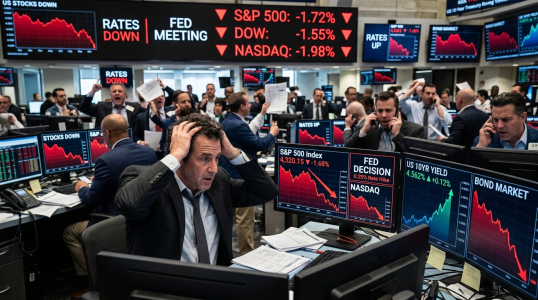
Three labor reports this week may decide the path of interest rates. Markets now price roughly a 40% chance of a rate hike and a 0% chance of a cut. I am watching job and wage data to gauge whether the Federal Reserve will tighten again or hold steady. As CEO of LifeGoal Wealth Advisors and a CFP and CIMA, I’m focused on how these numbers shape inflation and risk across portfolios.
Table of Contents
ToggleWhat I’m Watching
My attention is on three releases that land on Tuesday, Wednesday, and Friday. Each will update the odds of a Fed move. Together, they tell a story about labor demand, hiring momentum, and wage pressures. If the story is one of easing pressure, rates can hold. If it is strength and stickier inflation, the door to a hike stays open.
- Job openings (Tuesday): Forecast at 6.9 million.
- ADP private payrolls (Wednesday): A fresh read on business hiring.
- Official jobs report (Friday): Forecasts call for 90,000 new jobs, 4.3% unemployment, and 3.4% year-over-year wage growth.
These are not just headlines. They are inputs to inflation and policy. I weigh them carefully because they set the tone for bonds, stocks, and the dollar.
View this post on Instagram
Why Each Report Matters
Job Openings (JOLTS): I view openings as a window into labor demand. High openings suggest firms still want workers. Low openings suggest demand is easing. The forecast is 6.9 million, which is high by pre-2020 standards but lower than the peaks we saw earlier in the cycle. If openings move up, it shows companies need fewer hires than in the recent past. Not quite. The way I frame it: a rise in openings points to stronger labor demand, which can keep wage pressure firm. A drop in openings hints at cooling demand, which can reduce wage pressure.
Here is the twist I’m watching. Markets are keyed into the link between labor demand and inflation. If openings fall, the market may see less wage heat and a reduced likelihood of a rate hike. If openings rise, the market may see more wage heat, increasing those odds. That is the tug-of-war.
ADP Private Payrolls: This tells me whether companies are still adding headcount despite higher rates. It excludes government hiring, so it is a cleaner look at business behavior. If ADP is strong, it signals momentum in private hiring. That can push up the probability of a rate increase. If ADP is soft, it points to cooling, which can ease policy pressure.
The Official Jobs Report: the anchor. The forecasts call for 90,000 new jobs, 4.3% unemployment, and 3.4% year-over-year wage growth. I will be zeroed in on wages. Wage growth is a key channel through which tight labor markets feed inflation. If wages reaccelerate, it can revive sticky inflation in services. If wages drift lower, that supports the case for holding rates steady.
“Wages are what I’ll be watching. They reflect inflationary pressures. If wages reaccelerate, the odds of a Fed hike move higher.”
The Policy Question: Will The Fed Hike?
Markets sit at a fork in the road. The current pricing suggests a meaningful chance of one more hike and no chance of a cut. That balance can shift fast on jobs and wages. I think about it in simple terms. If the labor market stays tight and wage growth firms, the Fed will feel pressure to act. If hiring and pay soften, the Fed can let restrictive policy do its work without more tightening.
There is also a leadership element. Markets often test a new chair to see how firm the stance is on inflation and growth risks. That test takes shape through data surprises and market volatility. This week’s labor data will be the first or next pass at that test.
“Markets always test new Fed chairs. This week’s jobs numbers will test the resolve of Kevin Warsh.”
How I Read Each Outcome
I frame this week using three simple scenarios. They help set expectations for bonds, stocks, and cash positioning.
Scenario A: Cooling Labor, Cooler Wages
In this path, job openings slip, ADP is modest, payrolls grow more slowly than expected, unemployment holds near 4.3% or rises, and wage growth eases below 3.4% year over year. That mix would likely lower the odds of a hike. Two-year Treasury yields could dip. The curve could steepen as growth fears ease. Stocks may prefer this, with interest-rate-sensitive sectors like housing and parts of tech leading. I would expect credit spreads to remain stable or tighten slightly.
Scenario B: Mixed Labor, Steady Wages
Here, the data are uneven. Openings flat, ADP decent, payrolls near the 90,000 forecast, unemployment near 4.3%, and wages around 3.4%. Markets might keep the 40% probability of a 40% hike in place. The Treasury market could tread water, with day-to-day swings on each release. Equities may stay choppy. In this case, I would keep the duration moderate and avoid big tilts until the picture clears.
Scenario C: Strong Labor, Hotter Wages
In this path, openings climb, ADP beats, payrolls beat, and wages firm above 3.4% year over year. The odds of a hike could rise. Two-year yields might move higher. The dollar could firm. Equities might wobble, especially long-duration names. Defensive sectors could catch a bid, and cyclicals might lag. In this case, I would revisit rate exposure, trim longer-duration positions, and check the equity factor balance.
What I’ll Watch Inside The Reports
The headline numbers matter, but the parts add color. A few details I will track:
- Openings vs. hires and quits: A fall in quits often signals reduced worker confidence. That can slow wage churn.
- ADP industry mix: Gains in services with high labor costs can put more pressure on wages than gains in lower-wage areas.
- Payroll revisions: Back revisions can shift the trend even if the latest print looks fine on the surface.
- Average hourly earnings: Month-over-month changes, annualized, can show a turn sooner than year-over-year figures.
- Workweek length: Shorter hours can signal cooling demand before outright headcount cuts show up.
How I’m Positioning Portfolios
I prefer balance in the prints. The risk is asymmetric because a wage surprise can move rates fast. My playbook keeps dry powder while avoiding extremes.
Fixed Income: I keep duration near neutral. I maintain core exposure to quality and add some short-duration bonds to manage volatility. If wages cool, I can add duration after the release. If wages heat up, I will keep duration tight and look for better entry points later.
Equities: I aim for factor balance. Growth and quality have held up, but rate spikes can hit long-duration assets. I also want exposure to cash-flow stable names that handle higher real rates. If the data cool, cyclicals and small caps may bounce. If the data heats up, defensives and quality should help.
Cash and Liquidity: With cash yields still attractive, I do not rush to deploy all reserves ahead of binary data risk. I would rather add after the dust settles than chase a trade into the releases.
Risk Management In Plain Terms
I think about risk in short sentences so it stays clear.
If wages rise faster, inflation stays sticky. If inflation stays sticky, the Fed leans tighter. If the Fed leans tighter, front-end yields rise. If front-end yields rise, long-duration assets can struggle.
If wages cool, inflation pressure eases. If inflation eases, the Fed can wait. If the Fed waits, yields can fall. If yields fall, duration may work, and risk assets can breathe.
What Could Surprise
Soft headline, firm wages: Payrolls can miss while wages firm. That would keep the rate debate alive and may stir a messy market reaction.
Strong headline, soft wages: Payrolls can beat while wages cool. That would suggest a stronger labor supply and may allow the Fed to remain patient.
Revisions that flip the story: Backward changes can make last month look too hot or too cold, which can change the policy read fast.
The Chair Test
New Fed leaders often face data that tries to push them off course. The market watches for signs of flexibility or resolve. I expect job and wage signals to pass that test. The right path is steady and data-driven. That means acting only if inflation risk rises and holding if the economy cools on its own.
Through it all, I keep the message simple.
“This week is simple. Jobs, wages, and whether the Fed is forced to get more aggressive.”
Key Takeaways For Investors
- Markets price about a 40% chance of another rate hike and 0% chance of a cut.
- Three labor checks matter: 6.9 million job openings, ADP private payrolls, and the official report with 90,000 jobs, 4.3% unemployment, and 3.4% wage growth.
- Wages are the swing factor. Faster pay gains lift the odds of a hike; slower gains reduce them.
- Keep portfolios balanced. Avoid extreme duration bets before the data. Use cash strategically.
- Expect the “chair test.” Markets will watch how leadership responds to the wage signal.
My plan is careful and flexible. I wait for the prints, then adjust. If wages cool, I add duration and risk selectively. If wages heat up, I trim duration, lean on quality, and let cash do some work. Simple rules help in noisy weeks.
I will end where I began. Jobs and wages guide policy. Policy sets the tone for markets. Stay focused on the data, keep risk measured, and be ready to act when the signal is clear.
Frequently Asked Questions
Q: Why do wages matter more than the headline jobs number?
Wages feed service inflation, which moves slowly and is hard to reverse. A small change in pay growth can sway policy more than a one-month hiring miss or beat.
Q: How should I adjust bond exposure ahead of these reports?
Keep duration near neutral until the data land. If wages cool, consider extending the duration after the release. If wages heat up, shorten duration, and wait for better entry points.
Q: What is a practical equity approach for a week like this?
Balance factors. Hold quality and cash-flow stable names, with selective growth exposure. Avoid oversized bets that rely on a single report going your way.