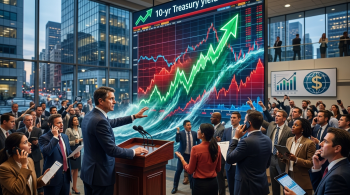
This week sets up a rare market moment. The biggest technology names report earnings within hours of a high-stakes Federal Reserve decision. The mix could spark sharp moves across stocks, bonds, and currencies. As CEO of LifeGoal Wealth Advisors and a long-time market watcher, I see a setup that blends excitement with serious risk.
Table of Contents
ToggleWhy This Week Stands Out
For the first time, Microsoft, Meta, Google, and Amazon are slated to drop earnings on the same day, right after the market closes. Only minutes earlier, Chair Jerome Powell will step to the microphone for what is framed as his curtain call. Whether it is his final meeting or not, it lands at a charged moment. Markets still debate when rate cuts might start, and how fast they might proceed.
When mega-cap tech meets monetary policy, liquidity and sentiment can spin hard. Options pricing implies big swings. Positioning is tight. Indexes are top-heavy. A surprise in either event would be enough to jolt prices. Both landing at once could create a surge in volatility that lives in market lore.
This Thursday could be one of the wildest days the stock market’s ever seen. A collision of two monumental events.
View this post on Instagram
The Mega-Cap Earnings Pileup
Earnings season always matters, but this cluster is different. These firms set the tone for indexes and sectors. They drive a huge share of S&P 500 profits and cash flows. Guidance from a handful of executives can shift the market’s growth outlook for the next year.
The spotlight is on artificial intelligence. Management teams have pitched big plans, and investors want proof those plans can pay off. Data centers, specialized chips, and power build-outs cost real money. Cash outlays are large. Shareholders want to hear how each dollar turns into revenue, margins, and free cash flow.
Here is the tension. The market loves bold vision, but it rewards profits. If companies discuss only spending without unit economics, the glow can fade. If they connect that spend to customer demand, higher pricing, and durable contracts, the story gets stronger.
Zuckerberg, I see your $150,000,000,000 AI spend this year, and we’ll raise you another 25,000,000,000.
That line captures the tone investors expect: a bit of CEO theater and swagger. But beyond the show, I will look for clear math. What is the expected payback period on new data center capacity? Are AI services upsold to existing customers or opening new markets? Do they lift cloud margins or compress them?
What Matters Most In The Calls
I plan to listen for proof points that tie investment to returns. The best sign is specificity: bookings, recurring revenue, and margin paths. Markets punish vague promises after long spending cycles. They reward disciplined plans with milestones.
- AI unit economics: Pricing models, usage-based revenue, and customer adoption rates.
- Cloud profitability: How AI workloads change gross margins and cost of compute.
- Capex guidance: Size, timing, and power constraints; whether spend peaks in the next 12–24 months.
- Demand signals: Ad pricing, engagement, and enterprise budget health.
- Capital returns: Share repurchases and dividends versus reinvestment needs.
- Regulatory risk: Any headwinds from antitrust, privacy, or content rules.
Apple follows with its own report after the close. That adds another weight on the scale. If iPhone cycles, services growth, or buyback plans surprise, the after-hours tape could get even more active.
The Fed’s Decision And The Powell Effect
Minutes before the earnings wave, Chair Powell will step up for a press conference. Rate policy sits at a tricky spot. Inflation is lower than its peak, but it remains above target at times. Growth has cooled from its hottest pace, yet the job market is still fairly solid. The market wants clarity on the path of cuts, if any, in the months ahead.
Politics trails the conversation. Former President Trump has pushed for lower rates, even as he claims he never planned to fire Powell. The Chair has tried to keep policy separate from politics. Words matter here. A single phrase about inflation risks, energy shocks, or global tensions could shift rate expectations. A mention of geopolitical risk, including conflicts in the Middle East, might move long yields and the dollar.
What if Jerome says something like, I don’t think interest rates should be cut this year because of this little skirmish you caused in Iran?
Even a hint like that could stiffen financial conditions. If he leans softer, asset prices might jump. If he leans tougher, they might fall. Layer earnings on top, and the market’s reaction can accelerate.
Two Catalysts, One Tape
When two major events hit the tape within the same hour, traders face a problem. It is hard to price both at once. Liquidity can thin, spreads can widen, and price discovery can get noisy. Market makers back away during uncertain moments. That magnifies each headline.
Positioning also matters. If investors are crowded into a view—say, leaning bullish on a soft Fed and strong tech prints—the pain trade is the opposite. A hawkish tone paired with mixed guidance would wrong-foot that stance. Volatility sellers may cover, which lifts implied volatility as prices move. The next day’s open can gap in either direction.
Three Clean Scenarios I’m Watching
- Dovish Fed + Strong Tech: The sweetest setup for risk assets. Yields fall, mega-cap rallies extend, breadth may lag as money chases winners. Watch for a squeeze in cyclicals if cuts feel closer.
- Hawkish Fed + Weak/Mixed Tech: The roughest path. Long-duration names could slip first, then broader indexes. Defensive factors and quality balance sheets may outperform near term.
- Mixed Signals: Chop. Sector rotation picks up. Stock picking beats index exposure for a stretch as investors sift through guidance line by line.
These are not predictions. They are map points. Markets can and often do surprise. I try to plan responses, not call the exact move.
How I’m Thinking About Risk Right Now
As a planner and portfolio manager, I focus on process. Big events tempt people into binary bets. That can work once or twice, then erase months of gains. Discipline matters more when emotions run high.
I prefer to size exposures so no single headline decides an outcome. That means diversified sleeves, steady rebalancing, and keeping some dry powder to use when prices move fast. If clients need cash soon, I keep that cash safe. Time horizon should match risk.
Hedging can help, but cost matters. If implied volatility is rich, I keep hedges small and targeted. If it is fair or cheap, I consider adding protection into strength. The goal is to survive the outliers without giving up compounding.
What Earnings Should Prove About AI
AI has to show it can be a profit engine, not just a cost line. That means showing how AI tools change customer behavior. Do they reduce churn? Win bigger contracts? Command premium pricing? Create new product tiers? These details matter more than big round numbers.
Cloud providers need to explain compute economics. If AI workloads use pricier chips and more power, but density and software improve, margins can still grow. If not, growth might come at a lower return. Advertisers want to know if AI improves targeting and creative enough to lift return on ad spend. Consumer hardware buyers want clear benefits, not vague promises.
I expect the best calls to tie product to outcomes. Metrics like enterprise net expansion rate, backlog growth, and free cash flow conversion will tell the story. Guidance for capital intensity and timing of spend peaking will signal how soon cash flow steps up again.
The CEO Showmanship Factor
There will be showmanship. That is part of the game on a historic night. But the market judges substance. Simple, specific, verifiable statements win. Grand claims without proof make investors skittish. I listen for cross-checks: Does product commentary match partner comments? Do margin targets square with capex plans and known power constraints?
This will be a CEO peacocking challenge.
The fun lines grab headlines. The follow-up answers move stocks. Ground-level details reveal the truth.
Apple As The Late Add
Apple’s report after the close adds one more twist. Services revenue, installed base data, and buybacks can offset hardware cycles. If services outpace expectations, it helps sentiment across consumer tech. If hardware softness spreads, it can weigh on suppliers and indexes. The timing, layered on top of the other prints and the Fed, means the after-hours session could be intense.
How Investors Can Prepare
You cannot control the news, but you can control the plan. Know your time horizon. If your goals are years away, a volatile week should not rewrite your strategy. If you have near-term cash needs, keep that money in stable vehicles. Avoid oversized bets on any single outcome.
Make a checklist before the calls. Write down what you want to hear on revenue, margins, and cash flow. Decide what would make you add, trim, or hold. If you trade around positions, set alerts and use limit orders. In thin liquidity, market orders can slip.
Finally, remember that one night does not define an investment life. It can feel huge. It often looks smaller in a few months. Keep decisions tied to your plan, not your pulse.
Get your popcorn ready.
Yes—enjoy the show. Then get back to the process that builds wealth over time.
Here is my closing thought. This is a rare alignment of headlines that can shake prices. It is also another reminder that long-term results come from rules you can follow through cycles. Seek clear links from investment to profit. Respect the risk of crowding. Keep your time horizon front and center. If the tape whipsaws, use it, do not let it use you.
Frequently Asked Questions
Q: How could the Fed’s tone affect tech stocks on the same day as earnings?
A softer stance can lower yields, which often supports long-duration assets like mega-cap tech. A tougher stance can raise discount rates, pressuring valuations, especially if guidance is mixed.
Q: What should I focus on in AI-related earnings commentary?
Look for proof of payback: pricing, adoption, margin impact, and timing for capex to peak. Clear unit economics and free cash flow plans matter more than big spending totals.
Q: How can I manage risk during potentially volatile after-hours trading?
Size positions so no single headline decides the outcome. Use limit orders, avoid chasing gaps, and align decisions with your time horizon and prewritten checklist.