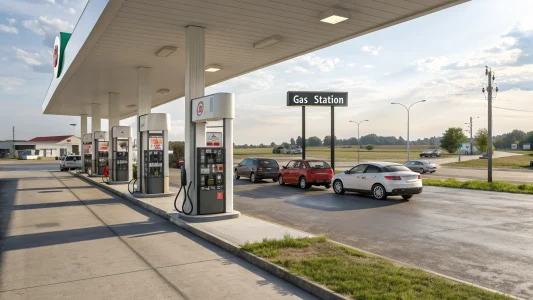
After weeks of relief at the pump, prices are rising again across the United States, likely putting some pressure on families’ budgets just as the higher-driving season approaches. The latest upswing, seen at stations from coast to coast, is reviving a familiar question: where are drivers paying the most, and why are some states spared?
Analysts point to a mix of seasonal demand, refinery outages, and regional fuel rules as the main forces. West Coast drivers are often hit hardest, while parts of the Gulf Coast and Southeast tend to see lower prices. The pattern is not new, but the speed of the rebound has turned heads.
“Gas prices are climbing fast again after a brief break.”
Table of Contents
ToggleWhat’s Driving the Spike
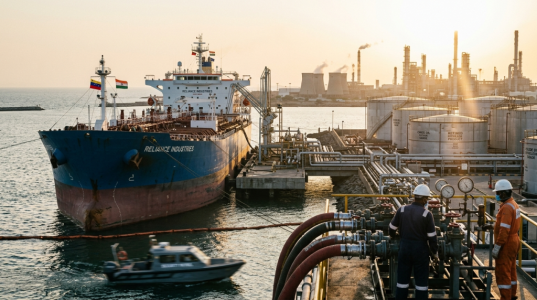
Spring typically brings higher gasoline prices. Refineries switch to summer-grade fuel, which is cleaner but more expensive to produce. Planned maintenance can tighten supply at the same time travel picks up. If even one large refinery slows output, wholesale prices can jump in nearby states.
Global oil markets add another layer. Cuts in crude production or geopolitical risks can lift oil prices, which make up the biggest share of the price of a gallon. When oil moves higher, pump prices often follow within days.
Industry trackers like AAA and the U.S. Energy Information Administration have long documented these swings. Data shows prices tend to climb from late winter into early summer, ease in the fall, and firm again during holiday travel.
Where Prices Hit Wallets Hardest
States with stricter environmental fuel blends and higher taxes usually land at the top of the price charts. California is frequently the most expensive due to unique fuel standards, a complex supply chain, and higher state taxes. Alaska and Hawaii also see elevated prices because of shipping and limited refining capacity.
On the other hand, Gulf Coast states commonly pay less. Texas, Louisiana, Mississippi, and neighboring states benefit from nearby refineries and pipelines, shorter transport routes, and lower state taxes.
Regional refinery hiccups can flip the script. A temporary outage in the Midwest can send Illinois, Indiana, or Michigan higher for weeks. Weather also matters: hurricanes in the Gulf or storms in the Rockies can disrupt supply and spike local prices.
Why Some States Stay Cheaper
Proximity to supply is a big advantage. Areas near large refining hubs enjoy lower transport costs and steadier deliveries. Competition helps too. Markets with many stations often post faster price drops when wholesale costs fall.
Tax policy is a clear divider. State and local taxes add directly to pump prices. Even a small difference per gallon becomes noticeable over a month of commuting.
- Nearby refineries and pipelines lower costs.
- Less expensive fuel blends reduce production costs.
- Lower state and local taxes keep prices down.
How This Affects Drivers and the Economy
Higher gas prices act like a small tax on households. Families trim dining out, delay purchases, or shorten trips. Delivery businesses and ride-hailing drivers feel the squeeze first. When fuel costs jump, shipping and airfare can also rise, feeding inflation concerns.
Economists watch how long the surge lasts. A brief spike may pass without causing much damage. A sticky, months-long climb can weigh on consumer confidence and retail spending. Small businesses with thin margins face tough choices on pricing and staffing.
What To Watch Next
Refinery operations will be key. Faster completion of maintenance and smooth summer-grade production could ease prices. A drop in global oil benchmarks would also help, though that depends on supply decisions and geopolitical calm.
State-level moves matter as well. Temporary tax holidays, while rare, can offer relief. Conversely, new fees or stricter fuel rules can push local prices higher than those of neighbors.
- Refinery output and unplanned outages
- Crude oil price trends and supply cuts
- State tax changes and fuel standards
- Storms or wildfires near energy hubs
For now, drivers in the West Coast and noncontiguous states face the steepest bills, while much of the Gulf Coast and Southeast remain cheaper. That gap has held for years, and the current jump is unlikely to erase it.
Bottom line: prices are climbing again, with some regions rising faster than others. Watch refinery news and oil markets for signs of relief. If supply steadies and travel demand cools, the upswing could slow. If not, expect a pricier road trip season and more budget juggling at home.