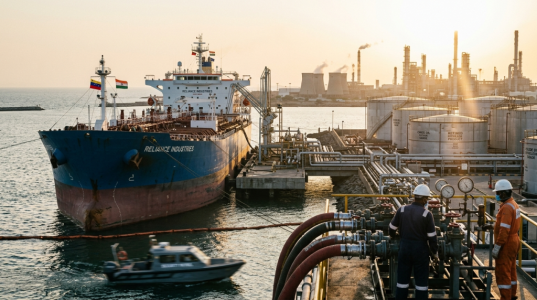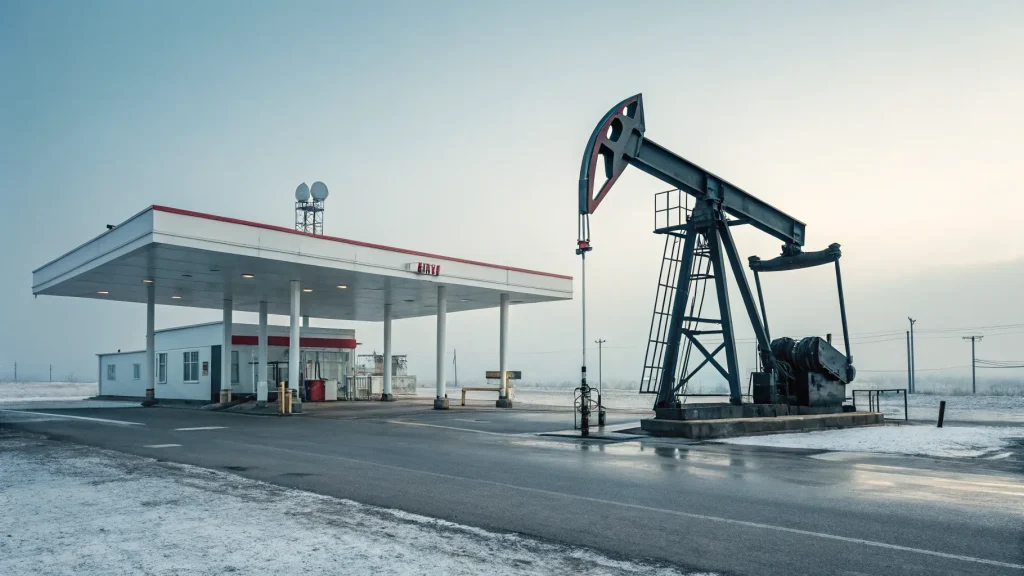
Oil prices slid on cease-fire news overseas, yet drivers faced higher pump prices again today. The split move reflects different pressures on crude and retail fuel. What people pay still varies widely by state and city, shaping the week’s winners and grumblers.
“Oil prices are falling on cease-fire news, but gas prices edged higher again today. What you’ll pay still depends heavily on where you live.”
The headline shift came as traders reacted to lower geopolitical risk. Crude futures lost altitude. But gasoline remains tied to refinery output, transport costs, taxes, and local supply quirks. The result: cheaper oil does not always mean cheaper fill-ups right away.
Table of Contents
ToggleWhy Oil Falls While Gasoline Climbs
Crude prices move fast on headlines. A cease-fire reduces fears that supply flows will be disrupted. That can push global benchmarks down within hours.
Retail gasoline works on a slower clock. Stations set prices off recent wholesale costs, not just today’s crude move. Many buy fuel in batches. If a station stocked up when wholesale was higher, it will take time for cuts to filter through.
Refining margins also matter. When refineries face outages, maintenance, or seasonal shifts, the gap between crude and gasoline can widen. Spring brings the switch to summer fuel blends in many states, which are more expensive to make. That change often props up prices even as oil cools.
The Geography Of The Pump Price
The pump is local, not global. Taxes, environmental rules, and supply chains shape prices neighborhood by neighborhood.
- State and local taxes can add dozens of cents per gallon.
- Regions far from pipelines or refineries pay more for transport.
- Areas with stricter air-quality rules often require pricier blends.
- Competition on the same block can push prices down, or not.
This patchwork explains why one county sees steady declines while the next one over holds flat. It also explains why national averages can conceal sharp swings in a few metro areas.
Signals From The Wholesale Market
The wholesale market is the hinge between today’s crude move and next week’s pump price. If wholesale gasoline follows crude lower for several days, retail cuts usually follow. If not, the squeeze continues.
Refinery utilization rates are key. When plants run hot, supply rises and prices soften. When plants slow for maintenance or unplanned repairs, wholesale prices can jump. Seasonal driving demand compounds the trend, lifting prices as more motorists hit the road.
What Consumers Can Expect Next
Short term, the price path depends on three variables: the durability of cease-fire developments, refinery operations during the seasonal shift, and demand as weather improves.
If the cease-fire holds and crude stays soft, the pressure tilts downward. Yet any refinery hiccup or strong road travel can keep gasoline sticky. The lag between crude and retail can stretch for weeks.
Drivers can still trim costs with simple moves:
- Compare prices within a few miles; spreads can be large.
- Use loyalty discounts carefully, as some deals trail nearby cash prices.
- Keep tires properly inflated to improve mileage.
Industry And Policy Backdrop
Analysts point to longer-term factors that keep the market jumpy. Fuel inventories, refinery capacity constraints in certain regions, and shifting environmental standards all shape price cycles. Global supply decisions also ripple through, even when retail takes time to adjust.
Policy debates on fuel taxes and infrastructure can raise or ease local costs. Pipeline upgrades or new storage can smooth supply. On the other hand, stricter blends improve air quality but can lift seasonal prices.
For now, the split screen holds: crude is easing on calmer headlines, while gasoline remains firm in many zip codes. The gap should narrow if wholesale prices track lower with crude and refineries run steadily. Watch for sustained moves in the futures and wholesale markets, not just a single day’s dip. For drivers, the best guide remains the sign down the street—and the next one over.