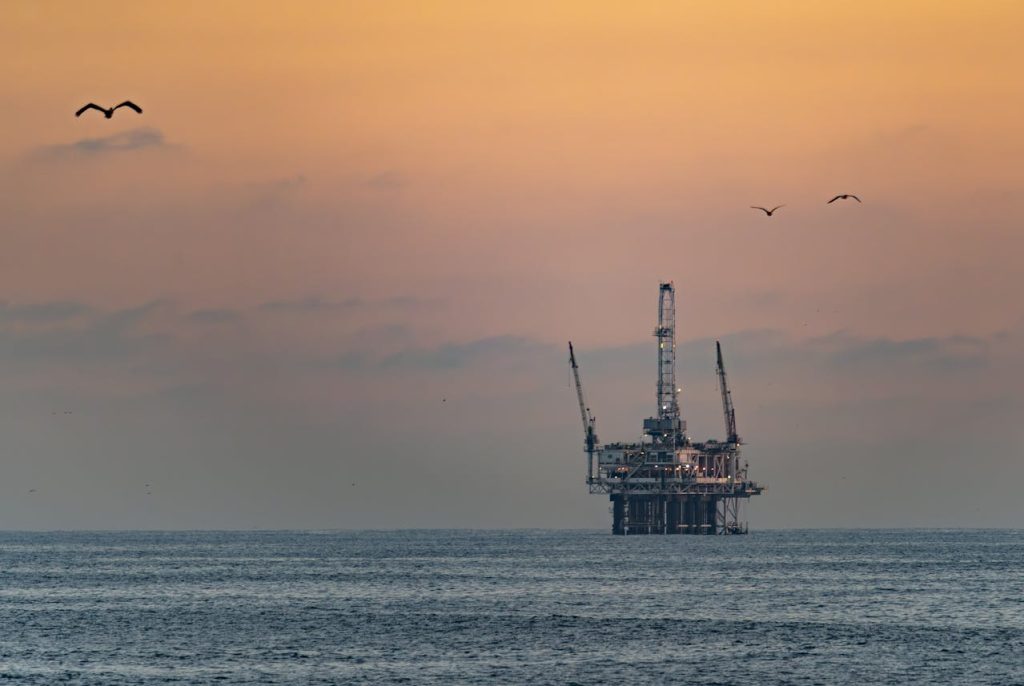
In the wake of the Iranian war, crude oil prices have swung sharply, affecting global energy production and leaving consumers with higher energy costs. For the first time since 2022, oil is above $100 a barrel in March 2026. As such, with gasoline prices climbing, the Middle East conflict and the Strait of Hormuz near-closure have sent investors looking for safe havens.
Many people feel the most pain at the pump. However, the impact goes beyond your gas tank. All goods, including food on your table, have to travel from where they’re produced to where they’re sold. With soaring gas, diesel, and jet fuel prices, transportation costs go up, too. In other words, oil acts like a “master commodity” that dictates prices for almost everything.
When faced with a volatile economic landscape, the question is not if oil prices will fluctuate, but whether you will be able to withstand the effects. To ensure your portfolio is protected, you should employ two strategies: defensive budgeting to keep daily costs lower, and offensive investing to use market volatility as a hedge.
That said, this post provides tips on how to protect your financial future from the “crude” reality of rising energy prices.
Table of Contents
TogglePart 1: The Offensive Strategy — Hedged Investing
The rise in oil prices often acts as a hidden tax on consumers, causing inflation and reducing discretionary income. As a reaction to this, you should add a shock absorber to your investment portfolio.
Add precious metals and energy to your portfolio.
Traditional wisdom holds that energy stocks, specifically oil and gas producers, benefit when energy costs rise. With a portion of your portfolio invested in energy sector ETFs or individual stocks, you create a natural hedge; gains in your brokerage account can offset higher gas prices.
Additionally, in times of energy inflation, many investors turn to precious metals such as gold and silver. Gold has historically maintained a strong relationship with oil prices, serving as a store of value when rising commodity prices threaten the purchasing power of the dollar.
TIPS and inflation-linked bonds should be deployed.
Traditional fixed-income assets often struggle in a stagflationary environment. This is where inflation-linked bonds, such as Treasury Inflation-Protected Securities (TIPS), come into play. With these “linkers,” you can protect yourself against inflation surprises by adjusting your principal value based on inflation.
As well as tracking prices, these assets protect against a specific policy risk: central banks choosing not to tighten aggressively and deepen a recession. As long as policymakers prioritize protecting economic growth over curbing inflation caused by an energy shock, TIPS help preserve your purchasing power.
Take advantage of Dollar-Cost Averaging (DCA).
It’s no secret that energy markets are finicky, reacting instantly to headlines from overseas. Trying to “time the market” or predict the exact peak of oil prices is a losing endeavor. Rather, use dollar-cost averaging.
The idea is to invest money at regular intervals so that you can buy more shares when prices are low and fewer when prices are high. The result is a flattening of the volatility curve, which prevents a temporary spike in energy prices from derailing your wealth-building goals.
Avoid the “panic button.”
The primary driver of oil shocks is often geopolitical crises. In oil-producing regions where tensions rise, the stock market often dips sharply and rapidly. While these events can be stressful, Vanguard and Charles Stanley emphasize that they are often temporary.
One of the most common ways investors lock in losses is by panic selling during a spike in oil prices. To achieve long-term success, it is important to maintain a long-term perspective. History has shown that markets can price in energy shocks and recover once supply routes are stabilized or alternative sources are tapped.
Part 2: The Defensive Strategy — Household & Budgeting
Even though you cannot control the price of Brent Crude, you can control how much you use at home by cutting household expenses.
Lock-in heating oil costs.
Those who live in heating oil-dependent regions can feel the effects of seasonal price swings. However, many fuel suppliers offer fixed- or capped-price contracts.
- Fixed-price. No matter how high the market goes, you agree to a fixed price for the entire season.
- Capped-price. In exchange for paying a maximum “ceiling” price, you get a lower price if market prices drop — for a small fee.
If you lock in your costs during the late spring or summer when demand is typically lower, you’ll have immense peace of mind when the winter chill and market volatility arrive.
Using renewable energy as a structural hedge.
Renewable energy is a powerful, structural hedge against oil price volatility since it decouples electricity generation from fossil fuels. After all, when you rely on the grid, your bill is often subject to “fuel adjustment charges” that spike whenever oil and natural gas prices go up.
When homeowners invest in solar, wind, or battery storage, they effectively “pre-pay” for decades of energy. As a result, you’re less vulnerable to supply shocks, your long-term operating costs are reduced, and you are more secure in terms of your energy supply. When oil is over $100, a solar-and-battery setup isn’t just a green choice — it’s a financial fortress that keeps your lights on no matter what happens in the Middle East.
The efficiency audit.
At the end of the day, though, the best way to reduce your sensitivity to fuel prices is to simply use less of it. After all, there’s no better hedge than energy efficiency.
- Insulation. By upgrading attic insulation and sealing drafty windows, you can reduce heating and cooling costs by 15% to 20%.
- Smart appliances. Compared to models from a decade ago, modern, Energy Star-rated appliances use a fraction of the electricity.
- Heat pumps. Consider switching to an electric heat pump if your furnace is nearing the end of its life. With modern units, you can break the direct connection between your home’s temperature and oil prices.
Part 3: Transportation and Daily Life
As oil prices rise, the average American faces “sticker shock” at the gas station. However, you can protect the environment by reducing your “oil footprint” in your daily commute.
Reduce discretionary consumption.
As gasoline prices rise, it’s time to audit your commuting habits. For instance, consolidating errands into a single trip or carpooling can significantly reduce discretionary transportation costs.
If possible, consider working from home — even if it’s just a couple of days per week. According to Empower data, U.S. commuters spend on average $2,400 per year on gas alone.
The shift to electric vehicles (EVs).
When it comes to buying a new vehicle, the volatility of gasoline prices might be the best argument to go electric. EVs may be more expensive upfront, but the “fuel” costs (electricity) are cheaper and more stable.
When you switch to an EV, you are essentially unplugging from the global oil market. In turn, you don’t have to worry about OPEC+ production cuts or refinery maintenance schedules. Unlike global oil spot prices, your local utility board determines your “fuel” price.
The Long-Term Outlook: Future-Proofing Your Retirement
When planning for retirement, rising oil prices may represent a significant “inflation risk.” If you’re on a fixed income, a 50% rise in energy costs can fundamentally alter your lifestyle.
Often, a multi-layered hedge works best:
- Financial. Invest in inflation-proof assets, such as energy stocks or gold.
- Structural. Make sure your home is highly insulated and, ideally, powered by renewable energy sources.
- Mechanical. Transition to transportation that isn’t tied to fossil fuels.
Oil reduction isn’t just an environmental decision — it’s also a sound financial decision. If you lower your “energy beta,” your sensitivity to energy price changes, you’ll ensure that your retirement savings go toward things you enjoy instead of just keeping the lights on.
FAQs
Does a rise in oil prices always lead to a stock market crash?
Not necessarily. Despite high oil prices dragging down the economy, energy-producing sectors often thrive. Historically, the market has experienced “temporary volatility” during the initial shock, but diversified portfolios usually recover once the economy has adjusted.
Is now a good time to buy gold as a hedge against oil?
During inflationary periods driven by energy costs, precious metals are often seen as a “safe haven.” However, gold does not pay dividends, so it should be part of a diversified portfolio rather than your only investment.
Are capped-price heating contracts worth the fee?
Generally, yes, if you are on a tight budget. Consider the fee as an insurance premium. By paying for this service, you can be confident that your heating bill won’t double in February.
How much can I actually save by switching to an EV?
The overall fuel cost for EV drivers is generally 40 to 65 percent lower than that of gas-powered vehicles, depending on the model. Over time, that’s a substantial “raise” for your retirement.
What is the single fastest way to reduce my oil dependency?
Behavior is the fastest way. For example, reduce discretionary travel and lower your thermostat by 2 degrees in the winter. By keeping cash in your pocket, these “zero-cost” changes provide an immediate, 100% return on investment.
Image Credit: Photo by Soly Moses; Pexels