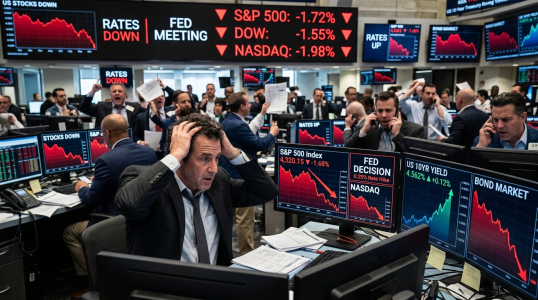
I woke up to a headline that will shake markets, trade policy, and the political calendar. The Supreme Court struck down the Trump-era tariffs. These tariffs were a signature policy of President Donald Trump, and the United States collected about $133 billion under them. Trump seems to be trying to run the country like a business–and the tariffs help that. Now what? Do WE have to make up the difference in the government?
Now, the key questions are immediate and serious: Will that money be repaid to importers? Can the Treasury handle it? And how will this shift hit stocks and the midterm elections?
As CEO of LifeGoal Wealth Advisors and a CFP and CIMA, I look at this first through a financial lens and second through a political lens. Money moved because of these tariffs. Prices rose. Corporate earnings were hit. Now, the Court has pulled the legal rug out from under the system that gathered those funds. Markets are already reacting, and the next steps could be messy, fast, and very public.
Table of Contents
ToggleWhat the Ruling Means for Trade and Law
The Court’s decision says the tariff program did not meet constitutional standards. In plain terms, the government charged duties it should not have charged. That opens the door for importers to seek refunds. It also sets a new line for how the executive branch can use trade tools without clear legal footing from Congress.
Tariffs are taxes on imported goods. They raise the price of inputs and finished products. During the Trump years, many industries paid more for steel, aluminum, machinery parts, and consumer goods. Companies often passed those costs to customers. Some could not, and earnings took a hit.
Now the legal basis is gone. That does not mean money flies back to companies tomorrow. It does mean a process begins. Agencies must unwind the policy. Lawyers will line up claims. Judges may oversee disputes about timing, interest, and documentation. But the headline is clear: the large pile of tariff revenue is at risk of flowing back out.
View this post on Instagram
Will Companies Get Their Money Back?
The market is already signaling an answer. Shares of firms that once took heavy hits on tariff exposure are jumping. Investors are betting real dollars on the idea that refunds are likely, at least in part. There are still hurdles:
- Eligibility: Not every payment will qualify. Some duties may stand under other legal authority.
- Documentation: Importers need proof of what was paid, when, and under which rule.
- Process: Agencies will need clear guidance on how to pay and who gets paid first.
- Interest: If money is repaid, interest may apply. That could increase the total bill.
I expect a mix. Some refunds will be straightforward, especially where invoices and rulings are clean. Others will be contested. Government lawyers will test the edges. Corporate lawyers will push back. It may take years to finish the tail of this process. But the near-term direction points to repayment risk for the Treasury and a relief rally for import-heavy sectors.
Can the Treasury Afford It?
The number floating over this debate is $133 billion. That is not a rounding error. It is meaningful even for a government that borrows in the trillions each year. The question is not only “can” the Treasury pay, but “how” and “when.”
Here are the likely pathways:
- Budget and Borrowing: Treasury pays claims as they are adjudicated, financed through regular cash management and borrowing.
- Judgment Mechanisms: In some cases, the government uses dedicated funds to settle legal claims. The exact path depends on how the ruling is implemented.
- Phased Payments: Agencies might stage refunds to manage cash flow and verify claims.
From a markets view, the size is large but manageable. It would add to the deficit if not offset elsewhere. It could mean slightly higher Treasury issuance, which nudges interest costs. But the bigger near-term effect will be sector-specific. Importers stand to gain. Some domestic producers that benefited from protection may lose a price advantage.
How Markets Are Reacting Right Now
Traders waste no time handicapping winners and losers. Early moves often point the way:
Likely gainers: retailers with heavy import exposure, consumer electronics, apparel, auto parts distributors, manufacturers reliant on foreign inputs, and logistics firms that see more throughput as trade friction eases.
Potential laggards: domestic steel and aluminum producers that saw a price edge under tariffs, and niche suppliers that thrived due to higher import costs for rivals.
Keep an eye on currencies and commodities too. A shift away from tariffs can affect the dollar, copper, and steel pricing. It might also ease certain inflation pressures at the margin, though the effect won’t be uniform or immediate.
Inflation, Growth, and Earnings
Tariffs tend to raise prices. Removing them tends to do the opposite. But the pass-through varies. Some companies kept prices high even as costs fell. Others were locked in by contracts and could not adjust quickly. The net effect will unfold quarter by quarter.
Areas to watch:
- Goods inflation: potential relief in categories that carried tariff costs.
- Corporate margins: import-heavy firms may see improved gross margins and better guidance.
- Capital spending: lower input costs can free up cash for investment, but policy uncertainty can delay decisions.
I will be studying earnings calls for color on pricing, inventory, and new supplier contracts. Companies that hedged costs or reworked supply chains may respond differently than those that stayed the course and absorbed the tariff hit.
What This Means for the Midterms
Policy and politics are joined at the hip. When a top policy is struck down, the timing matters. With the midterms ahead, Republicans face a messaging challenge. Democrats may argue that a key Trump policy was unlawful and inflationary. Republicans may counter that tough trade stances protect jobs and that courts can get it wrong or go too far.
Expect quick responses from candidates. Voters will hear sharp lines about prices, jobs, China, national security, and manufacturing strength. Trade has moved from a dull topic to a dinner-table issue in recent years. This ruling brings it back to the front page.
“Pay attention today because Trump will fire back.”
Former President Trump will likely respond in strong terms. Allies may call for new action from Congress. Opponents will claim vindication. The noise level rises, but investors should separate the headlines from the cash flows. Watch what laws and rules change next, not just what gets said on stage.
The Road to Refunds: Practical Steps and Risks
If you run a company that paid these tariffs, start your work now. Collect import records. Match payments to tariff lines. Confirm which entries fall under the now-invalidated authority. Your trade counsel can guide the filing path and timelines.
Risks to consider:
- Partial refunds: some items may still be subject to valid duties under other laws.
- Timing uncertainty: agencies may move fast on small, clean claims and slower on complex ones.
- Policy changes: Congress or the administration could propose new measures that alter the net effect on future imports.
I advise management teams to run refund scenarios and update liquidity plans. Treat potential refunds as a contingent asset. Do not book windfalls until claims are allowed and paid. Communicate with lenders if refunds could affect covenants, cash sweeps, or planned capex.
Scenarios to Watch From Here
The next six to twelve months could break several ways:
1) Broad refunds with interest. This would deliver a clear win to importers and likely support equities in retail and manufacturing. It also raises near-term funding needs for the Treasury.
2) Narrow refunds with long timelines. Cash comes back, but slowly and in smaller amounts than headlines suggest. This favors firms with strong balance sheets that can wait.
3) New trade measures through Congress. Lawmakers could try to reframe trade tools with a firmer legal base. That adds fresh uncertainty, and markets will reprice winners and losers again.
4) Administrative adjustments that soften the blow. Agencies may define procedures and eligibility in ways that limit total payouts. Expect litigation if that happens.
Investor Playbook: What I’m Tracking
- Agency guidance from Customs and Border Protection and Treasury on claims and timing.
- Corporate disclosures on expected refunds, interest, and any balance sheet effects.
- Sector performance spreads: import-heavy retailers vs. protected domestic producers.
- Inflation data in goods categories that carried high tariff loads.
- Bond market reaction to any uptick in Treasury issuance.
- Policy signals from Congress on trade authority and new measures.
For diversified investors, this is a stock-picker’s moment more than a broad market call. The spread between beneficiaries and those that lose protection could widen. If you own names on both sides, the net effect may net out. If your portfolio leans toward one camp, consider whether this ruling changed your thesis.
What Companies Should Do Next
Executives and boards need a structured response. Set up a task force that includes finance, legal, procurement, and investor relations. Build a clean ledger of tariff payments, by product and period. Engage trade counsel to file claims promptly and correctly. Update guidance only when you have clarity or a clear range. If refunds could be material, consider disclosing ranges or sensitivities in MD&A.
Suppliers and customers will ask for price changes. Be cautious about fast price cuts until refund certainty improves. Use short-term pricing bridges where possible. Protect margins while staying competitive. If you gain clear cost relief, consider a blend of price actions and share gains rather than an across-the-board price drop.
Consumer Impact
Shoppers may not see lower shelf prices overnight — recall how Americans raced to buy products when the original tariffs were announced. Retailers have inventory booked under old costs. New orders may carry lower input costs if suppliers adjust. Some savings will flow to consumers over time. Other savings will pad margins or fund promotions. The best signal to watch is unit volumes and promotion depth heading into the holiday season.
Global Trade Relations
Trading partners will watch this ruling closely. As the world prepares for a potential trade war downturn, some may unwind their own retaliatory steps. Others may wait to see if Congress acts. Reduced friction can help supply chains breath easier. But supply chains will not snap back to a pre-tariff world. Many firms already shifted vendors and invested in new routes. Those moves do not reverse quickly.
Bottom Line
The Supreme Court erased a key piece of the last decade’s trade policy. $133 billion in collected tariffs is now a live debate about refunds, timing, and interest. Markets are moving, with import-heavy companies rallying and protected industries at risk. The Treasury can handle repayments, but the process may be long and uneven. Politics will be loud as the midterms near. Investors should keep their eyes on agency guidance and cash flows, not the noise.
My advice is simple: document, prepare, and stay patient. If you paid these tariffs, get your records in order and file well. If you invest in affected sectors, revisit your thesis with fresh numbers. Policy can move markets, but discipline wins the day — and the financial decisions of leaders have always shaped history, as our look at the richest presidents in US history reveals.
Frequently Asked Questions
Q: How soon could companies receive tariff refunds?
Timelines will vary. Simple, well-documented claims may move first, but complex cases could take many months or longer. Expect staged payments rather than a single sweep.
Q: Which industries are most affected by the ruling?
Import-heavy retailers, consumer goods makers, and manufacturers that buy foreign inputs stand to benefit. Domestic producers that gained from higher import prices may face pressure.
Q: Will this lower inflation for consumers?
It could help at the margin, especially for goods tied to prior duties. The effect will not be instant. Savings depend on contracts, inventory cycles, and company pricing choices.