Last updated: February 24, 2026
I am Taylor Sohns, CEO of LifeGoal Wealth Advisors. I am a CIMA and a CFP. I spend my days helping people make sense of markets and big headlines. Lately, one headline keeps coming up: a possible SpaceX IPO in 2026. The idea carries huge numbers, big dreams, and real risks. Here is how I see it, plain and simple.
Is a $1.5 Trillion Debut Possible?
One claim making the rounds is a $1.5 trillion valuation at IPO. That number is eye-popping. It would place SpaceX near the largest public companies on day one. For context, recent private funding rounds valued SpaceX near a few hundred billion dollars. Jumping to $1.5 trillion would mean the public market pays a massive premium for growth and dominance in launch, Starlink, and future projects.
“SpaceX is rumored to IPO for a value of 1,500,000,000,000.0.”
Markets can be generous to category leaders. They can also be harsh if expectations stretch too far. A number this large implies very high revenue and profit growth for many years. It also assumes strong execution in more than one field, including broadband, launch cadence, and new services. The math only works if these engines scale together.
Investors should remember how supply and demand move IPO pricing. If there is limited float and intense demand, the price can spike. When lockups expire, more shares can hit the market and pressure the stock. That is not a prediction. It is a pattern we have seen often.
View this post on Instagram
Would Elon Musk Become a Trillionaire?
The rumor also says Elon Musk owns almost half of SpaceX. If the IPO lands at $1.5 trillion and that stake holds value, his net worth would soar. People love to game it out. The idea of the first trillionaire grabs attention. I get why. It is a cultural story as much as a finance one.
The comparison to household income shows how outsized this is. At an average American salary, the back-of-the-envelope math adds up to millions of years. It is a reminder that wealth at this level is linked to equity value, not wages. Share prices move. They can rise fast. They can fall fast. Net worth tied to a stock is not cash in a bank account.
AI Data Centers in Space: Ambitious and Unproven
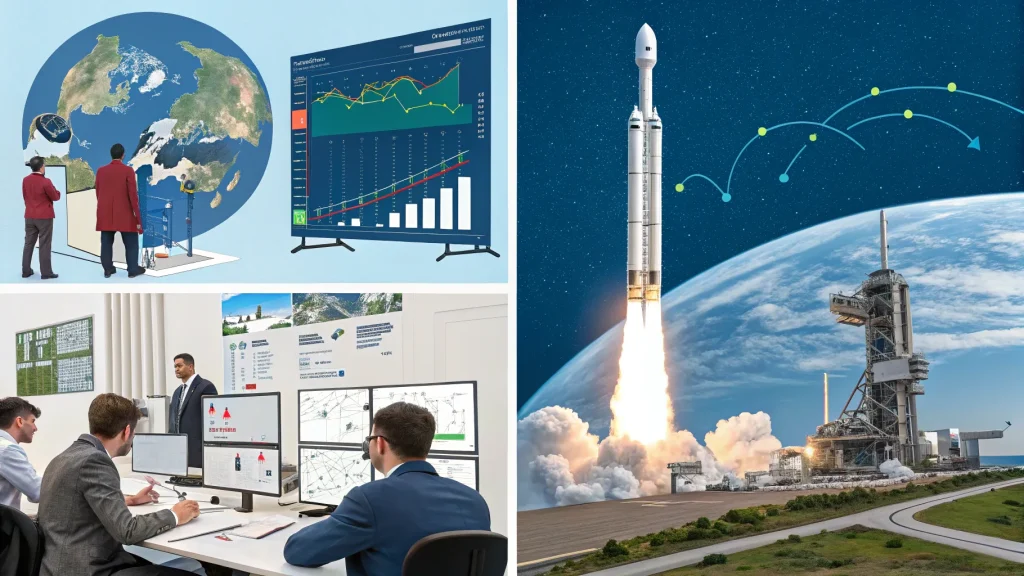
“SpaceX plans to put AI data centers in space. Solar powered, no land and grid constraints.”
The vision is bold. It leans on a clear idea: free solar energy above the clouds and no local zoning fights. It also lifts workloads off crowded grids. On paper, that sounds simple. In practice, it is complex.
Here is what stands in the way. Getting servers to orbit is hard and costly. Cooling in space is a challenge because there is no air to move heat. Radiation shields add weight. Hardware must be hardened. Latency to and from Earth adds delay. Many AI jobs can run offline, but most still need fast data flows. That may push “space AI” into narrow tasks at first.
Still, SpaceX solves problems by iterating. Starlink grew from a sketch to a global network in a few years. If anyone can test this at scale, they can. My take is simple. Treat it as an option, not the base case. If it works, it is upside. If it stalls, it is one of many R&D bets.
Owning Elon Outside of Tesla
Another claim is that a SpaceX IPO gives investors a new way to “own Elon” without buying Tesla. That matters. Many investors like to follow visionary founders. A new public vehicle can redirect that attention. Some investors who once bought Tesla for Elon might split their bets. Others might rotate entirely. That could change trading flows.
From a portfolio view, this can cut concentration risk. Owning more than one company tied to the same leader spreads business risk across different markets. Space is not autos. Broadband is not EVs. But there is still one common link. If confidence in the leader rises or falls, both stocks can move together. It reduces single-company risk, but not key-person risk.
What Could It Mean for Tesla’s Share Price?
The question I get most is about Tesla. If Elon owns about 13% of Tesla and nearly half of SpaceX, where will his time go? Founders have limits. There are only so many hours in a day. If SpaceX becomes the bigger piece of his personal net worth, he might spend more time there. The market will guess, then react.
More choices are possible. A new stock could siphon demand from the same pool of fans and growth buyers. On the day of a big IPO, money often shifts from similar names. That can create short-term pressure. Over time, the market will judge each company on execution and cash flow. Tesla’s results will still drive Tesla’s price.
We have seen leaders juggle multiple ventures before. Investors often adjust their models to reflect a split focus. They may raise the “key-person discount” for Tesla if they think attention drifts. They may lift it for SpaceX if they believe it becomes the priority. This is not a moral judgment. It is simple capital markets logic.
What an IPO Means for Existing Private Holders
Many clients already hold small slices of SpaceX through private funds. We built those positions carefully. A public listing can be a big milestone. But it is not a straight line to a payout. Lockups are standard. Early holders may be restricted for months. Even when shares unlock, the price can swing. That is why we plan entries and exits over time.
There are tax questions too. A step-up in price at listing can set a new basis for future gains. But the timing and structure matter. Some funds will distribute shares after a lockup. Others will sell and pass through gains. Each case is unique. Talk to a tax pro before you decide how to handle a windfall. Do not let tax tail wag the dog, but do not ignore it either.
The deeper value of private exposure shows up here. If the IPO goes well, long-term holders may benefit from years of growth that predate the listing. If it goes poorly, the early entry may still cushion downside. Neither outcome is guaranteed. That is why sizing is key. Small slices of many ideas beat big bets on one moonshot.
Five Claims, One Framework
Let me boil down the five “ridiculous” facts into a practical lens. I like clear rules. They help me block out the noise and deal with risk.
- $1.5 trillion is possible, but it bakes in perfection. Price will reflect hype and float as much as math on day one.
- A founder’s net worth on paper is not cash. It moves with the stock and can swing fast.
- Space-based AI is an option on the future, not a base case today.
- A new “Elon stock” may reallocate investor dollars between Tesla and SpaceX.
- Private holders should plan for lockups, taxes, and volatility before counting gains.
How I’m Positioning as a Fiduciary
As a fiduciary, I care more about process than headlines. Here is how I think about a SpaceX listing in client portfolios. First, sizing. Even for a great company, I keep single-stock exposure within disciplined bands. That protects the plan if the stock falls 50% in a rough patch. It also prevents fear of missing out from taking the wheel.
Second, entry. IPO pricing is hard to forecast. If we want exposure, I prefer a staged approach. A small position at or after listing. Another slice after lockup. Then we reassess. This reduces regret if the stock whipsaws in the first year. Smart savings strategies help weather market swings without derailing your retirement planning. Smart savings strategies help weather market swings without derailing your retirement planning. It also matches cash flow to windows of supply and demand.
Third, liquidity needs. If a client relies on their portfolio for income, we keep cash and bonds in place. That way a growth stock does not become a forced seller in a downturn. Big dreams should not threaten near-term needs.
Fourth, diversification. SpaceX, Tesla, and other high-growth names can sit inside an equity bucket. But they should not crowd out the rest. We balance with value stocks, international equity, short-to-intermediate bonds, and consider fixed-income tools like annuities for stable income streams. The mix depends on goals, time horizon, and risk tolerance.
Fifth, due diligence. Before any trade, we read the S-1. We focus on revenue mix, margin path, capex needs, customer concentration, and dilution risk: Starlink’s churn and ARPU matter. Launch cadence and reusability costs matter. Debt terms matter. I never buy a story without reading the footnotes.
Risk Check: What Could Go Wrong?
Every rocket has failure modes. So do IPOs. For SpaceX, here are risks that deserve attention. A major launch failure could halt flights and delay revenue. Starlink could face pricing pressure from rivals or regulators. AI data centers in orbit could stall. Geopolitical limits could cap reach. Capital needs could trigger new share sales and dilute holders.
None of these risks erases the upside. They simply define the range of outcomes. Good investing accepts that range upfront. It chooses position sizes that keep the plan on track even if a bad case shows up.
What Would Make Me More Confident?
I will be watching for a few markers. A clear path to positive free cash flow at Starlink. Stable launch margins with higher reuse counts. Details on capex plans for any space-based compute. Evidence that new verticals have paying customers. A governance plan that balances speed with oversight. These do not need to be perfect. They just need to be credible.
Final Thought
If you choose to participate, do it with a plan. Size it right. Stage your entries. Know what would make you add, hold, or trim. In my seat, that is how you honor both the dream and your goals.
Frequently Asked Questions
Q: How realistic is a $1.5 trillion valuation for SpaceX?
It is possible, but it assumes robust growth and high investor demand. I would treat it as an upper bound and plan for wide swings after listing and post-lockup.
Q: Could a SpaceX IPO hurt Tesla’s stock price?
In the short term, money may shift toward the new listing. Over time, each stock will trade on its own results. Founder’s focus and capital needs could influence both names.
Q: What should existing private investors expect if SpaceX lists?
Expect lockup periods, possible distributions from your fund, and tax complexity. Plan exit pacing. Do not assume instant liquidity or a straight-line price increase.

How to Approach a Potential SpaceX IPO as an Investor
A SpaceX IPO would be one of the most anticipated listings in history, but anticipation is not a strategy. Until the company files an S-1 and sets a price range, the most useful thing an investor can do is understand the ways exposure might become available, decide how much risk fits their plan, and avoid overpaying on hype during the first volatile weeks of trading.
Ways to Get Exposure
Before any listing, most retail investors cannot buy SpaceX directly; pre-IPO access is generally limited to private funds and accredited investors. After a listing, shares would trade like any other stock, though early demand and limited float can make opening prices swing sharply. If you simply want to participate in a broad wave of new listings rather than bet on one name, our overview of whether the biggest IPO boom is arriving is a useful starting point, and many long-term investors prefer the diversification of low-cost index funds over single-stock bets.
Manage Risk and Position Size
Concentrating too much in any one high-growth story is the most common mistake. Keep single-stock exposure within disciplined limits, learn how to cut concentration risk, and remember that IPO shares can be volatile, as our guide to stock market volatility explains. For money you cannot afford to lose, anchor the plan with long-term retirement investments first.
Key Takeaways
- A SpaceX IPO is still rumored, not confirmed; treat headline valuations as an upper bound, not a forecast.
- Pre-IPO access is mostly limited to private funds and accredited investors; retail buyers typically wait for the public listing.
- Expect early volatility, limited float, and lockup-related swings in the first year of trading.
- Size any position conservatively and keep the rest of your portfolio diversified.
Frequently Asked Questions
When will SpaceX go public?
As of now there is no confirmed SpaceX IPO date; talk of a 2026 listing remains speculation. A company is not committed to going public until it files registration paperwork with regulators, so watch for an official S-1 filing. You can learn how the IPO process works at Investor.gov from the SEC.
How can a regular investor buy SpaceX stock?
Until SpaceX is publicly listed, most individuals can only gain exposure indirectly through certain private funds, and those are generally restricted to accredited investors. After an IPO, shares would be available through standard brokerage accounts like any other public company. For background on how listings are priced, see this Investopedia overview of IPOs.
Would a SpaceX IPO affect Tesla stock?
It could in the short term, as some investor demand may rotate between the two Elon Musk-linked companies and his attention may shift. Over the long run, however, each company tends to trade on its own revenue, margins, and execution rather than on the other’s listing.