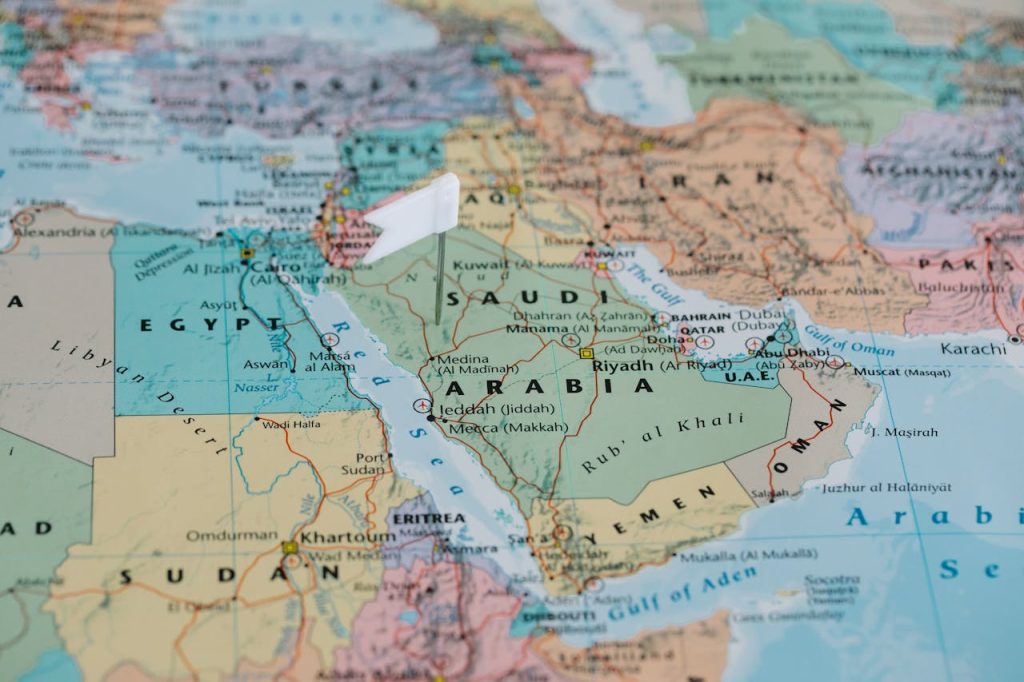
Saudi Arabia’s government investment fund appears ready to take nearly full ownership of Electronic Arts (EA), according to a filing, marking another massive financial wager at a moment when the Middle East nation’s resources already face strain.
The Public Investment Fund has joined forces with Silver Lake, the technology-focused buyout firm, and Jared Kushner’s investment firm Affinity Partners to buy the videogame maker for $55 billion including debt. The deal, which the consortium announced in September, is expected to be the biggest leveraged buyout in history.
Saudi Fund to own nearly all of Electronic Arts
The consortium did not reveal its ownership allocation strategy. However, a November filing with Brazil’s antitrust regulator shows PIF would own 93.4% of EA, while Silver Lake would own 5.5% and Affinity would own 1.1%. This ownership split puts almost the entire financial burden of the acquisition on PIF.
The consortium is funding the purchase with $36.4 billion in equity and $20 billion in borrowed debt. Since PIF is rolling over an existing EA stake valued at roughly $5.2 billion at the takeover price, it will need to make a new cash contribution of about $29 billion to equal its final ownership share. Additionally, PIF makes significant investments in funds run by Silver Lake and Affinity, which raises its financial risk in the event that the deal doesn’t work out.
Context for the situation
In the buyout world, where sovereign-wealth funds usually join private-equity firms as minority partners, the exceptionally large stake stands out. PIF’s dominant role is unusual because traditional PE firms typically have more experience managing newly acquired companies and structuring deals.
Despite Saudi Arabia’s continued reputation for having an abundance of capital, the $1 trillion PIF is now overburdened by its many internal obligations. These include a number of stadium developments related to hosting the World Cup and multibillion-dollar megaprojects like Neom, a futuristic new city. In November, the fund said it sold holdings in more than four dozen U.S.-listed public companies, extending a selling trend that began in 2021.
The nation’s overall financial situation is becoming increasingly precarious at the same time. Analysts anticipate that this year’s budget deficit will more than double to 5.3% of GDP, the highest level since 2020, when the pandemic severely damaged government revenue.
The International Monetary Fund reports that the kingdom still holds hundreds of billions in foreign reserves, retains room to borrow more, and expects economic growth of roughly 4%. Still, a persistently soft oil price—the country’s primary revenue engine—continues to limit its fiscal flexibility.
Featured Image Credit: Lara Jameson; Pexels: Thank you!