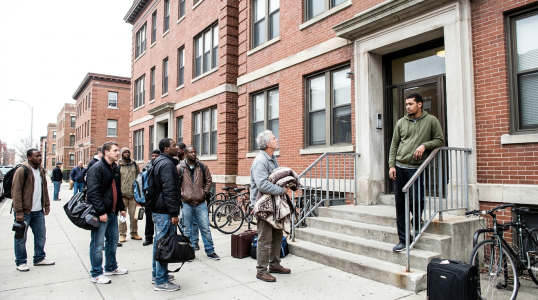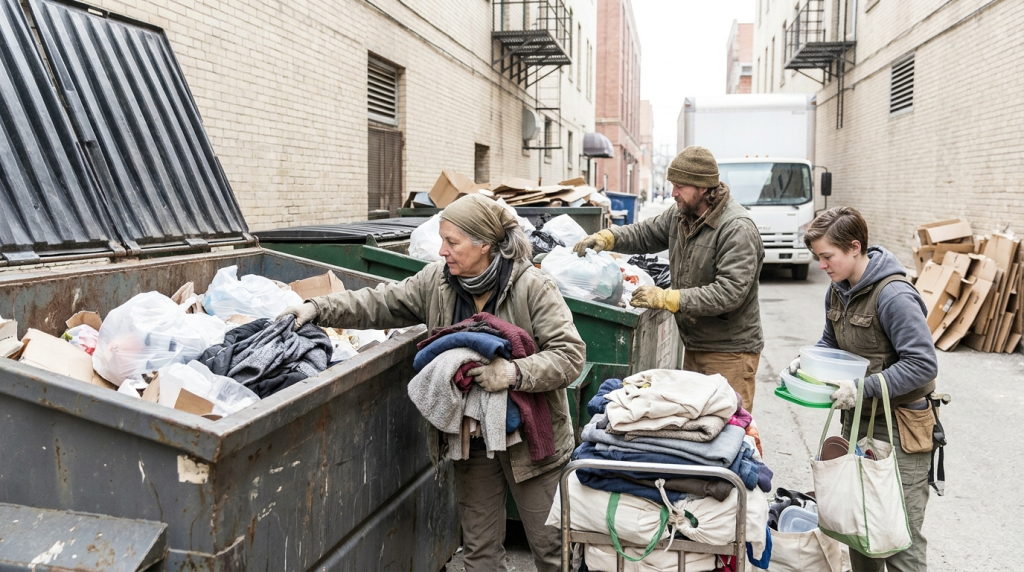
Men and women search commercial waste bins for discarded clothes and other usable goods, turning business trash into clothing, income, and household supplies.
The practice can reduce waste, but it also exposes people to sharp objects, contaminated materials and possible legal trouble. It raises a blunt question for retailers: Why are usable products reaching the bin at all?
Table of Contents
ToggleDiscarded Goods Find a Second Life
People who recover items from waste are often called waste pickers, salvagers, or dumpster divers. Their reasons vary. Some need basic goods, while others resell recovered products or collect materials for reuse.
Commercial bins can contain clothing, furniture, electronics, and packaged items. Goods may be thrown away because they are returned, damaged, out of season, or costly to store.
For the people searching those bins, one company’s disposal problem may become tomorrow’s coat or grocery money. The work is rarely tidy, and the rewards are uncertain.
They “rummage through commercial bins to take clothes and other items.”
That simple description covers a complicated activity. Salvaging sits at the meeting point of poverty, consumer habits, business policy and waste management.
Safety and Legal Questions Persist
Commercial waste containers can present serious hazards. Broken glass, exposed metal, cleaning products and spoiled food may be mixed with otherwise usable items.
Large bins also create physical risks. Lids can close suddenly, and collection vehicles may arrive while someone is inside or nearby.
- Protective gloves and sturdy footwear can reduce injury risks.
- Do not ignore sealed areas, gates, and warning signs.
- Food, medicine and cosmetics may be unsafe after disposal.
The legal position depends on local rules and the bin’s location. A container on private property may be covered by trespass restrictions. Taking items from locked or enclosed bins can create additional legal concerns.
Businesses also face difficult choices. Locks and compactors can deter entry, yet they may push salvagers toward less visible and potentially more dangerous locations.
Retail Waste Faces Closer Scrutiny
Recovering clothing from commercial bins points to a wider problem. Retailers often handle excess stock through clearance sales, donation, recycling, or disposal. The final option is usually the least useful.
Businesses may discard products because sorting and donating them requires labor, storage and transport. Liability concerns can also influence company policies, even when an item appears usable.
Waste pickers offer an informal response to that system. They keep some goods in circulation, but they should not carry the full burden of fixing commercial waste.
Donation partnerships, textile collection programs and clearer reuse policies can redirect goods before they enter a bin. Retailers can also separate unsafe waste from reusable products, where local health and safety rules permit it.
A Visible Sign of Economic Pressure
People searching bins are sometimes treated only as a nuisance. That view misses the financial hardship that can drive the practice.
Recovered clothing may meet an immediate need or provide items to sell. For some salvagers, the activity is part of an informal economy built around materials that businesses no longer value.
Public policy must balance safety, property rights and waste reduction. Enforcement alone may move the activity elsewhere without addressing why people rely on discarded goods.
The sight of people sorting through commercial bins is therefore more than an unusual feature of urban life. It shows both material waste and unmet need.
The next steps rest with retailers and local authorities. Safer donation systems, accessible reuse programs and clear rules could reduce dangerous bin searches. Until then, usable clothes will keep entering the waste stream, and people will keep trying to retrieve them.
Image: Pexels