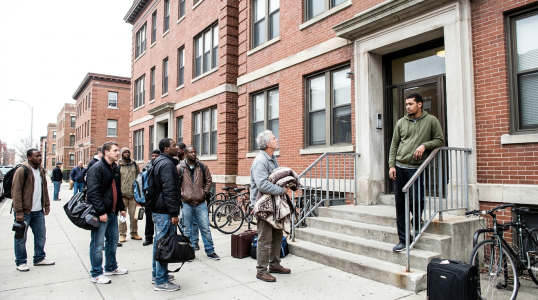
A shortage of federal halfway house space could hinder the First Step Act as more people qualify for release from prison into community custody.
The Bureau of Prisons, which manages the federal prison system, relies on residential reentry centers nationwide. These facilities help people find work, rebuild family ties, and prepare for life after incarceration.
Yet the agency already faces capacity limits. Expanded release options under the First Step Act could increase demand, turning a policy success into a difficult housing problem.
Table of Contents
ToggleWhy Demand Could Increase
Congress passed the First Step Act in 2018 with bipartisan support. The law changed federal sentencing rules and expanded programs designed to reduce repeat offenses.
Eligible prisoners can earn time credits by completing approved education, treatment, and work programs. Those credits may allow earlier placement in prerelease custody or supervised release.
Prerelease custody can include home confinement. It can also mean placement in a halfway house, formally known as a residential reentry center.
“The Bureau of Prisons has an issue with capacity at its halfway houses, and the problem is going to get worse with the First Step Act.”
The warning points to a basic mismatch. Federal policy can make more people eligible for community placement, but eligibility does not create new beds.
Halfway Houses Carry a Heavy Load
Halfway houses serve as a bridge between prison and independent living. Residents generally face curfews, drug testing, work requirements, and close supervision.
Programs may offer employment help, counseling, transportation support, and assistance securing identification. Those services can reduce some of the instability that often follows release.
Capacity depends on more than bedroom space. Facilities also need trained staff, treatment access, security systems, and contracts that cover operating costs.
The Bureau of Prisons often contracts with private or nonprofit operators. Expanding capacity can therefore require new procurement, local approval, staffing, and suitable property. None of those moves happen quickly.
Delays Could Weaken the Law
If placements are unavailable, eligible prisoners may remain incarcerated longer while waiting for a bed. That could limit the practical value of earned time credits.
Capacity problems could also create uneven results. People in regions with more available beds may move through the system faster than those in areas with fewer facilities.
Several concerns will shape the federal response:
- Whether enough beds exist where eligible prisoners plan to live.
- Whether operators can recruit and retain qualified staff.
- Whether home confinement can safely ease pressure.
- Whether funding matches expected placements.
Public safety remains part of the debate. Supporters of gradual reentry argue that structured supervision is safer than releasing people without housing or support.
Critics may question rapid expansion, especially if contracts are rushed or oversight slips. More beds alone will not solve problems if facilities lack effective programs and careful monitoring.
Planning Will Decide the Outcome
The Bureau of Prisons will need reliable forecasts for earned credits, release dates, and regional demand. Congress may also face pressure to examine funding and contract performance.
Home confinement could provide relief for some eligible people, but it is not an answer for everyone. Stable housing, family support, and access to required services vary widely.
The First Step Act changed who may leave prison earlier and under what conditions. Its results now depend partly on a less visible question: whether the federal reentry system has somewhere for them to go.
Without added capacity and careful oversight, halfway houses may become a bottleneck. The key measure will not be how many credits people earn, but how often those credits lead to timely, safe placement.