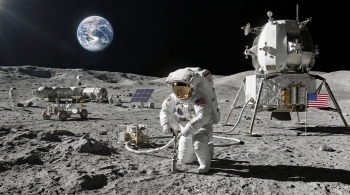
NASA plans to return to the moon in 2028, a goal that will test the agency’s schedule, contractors, and risk-management capabilities.
Future Ventures co-founder Steve Jurvetson and Xona co-founder Brian Manning discussed the plan on Fox Business program “The Claman Countdown.” Jurvetson also serves on SpaceX’s board, linking the discussion directly to the commercial space sector.
The planned mission matters to NASA and its private partners. A lunar return could support scientific research, test equipment for later missions, and shape competition among spacefaring nations.
Table of Contents
ToggleA Deadline With Little Room for Error
A 2028 target gives NASA a clear date, but space schedules rarely move in a straight line. Hardware tests can expose faults. Launch systems may need redesigns. Budgets and political priorities can also change.
That makes the date both a goal and a management tool. Public deadlines can focus contractors and government teams. They can also pressure teams to move faster than test results allow.
The central challenge is balancing speed with safety. Lunar missions require launch vehicles, spacecraft, navigation systems, and ground operations to work together. A delay in one system can affect the entire schedule.
Private Companies Take Larger Roles
Jurvetson’s seat on SpaceX’s board highlights a major feature of modern spaceflight: NASA increasingly works with commercial companies to build and operate key systems.
This approach can reduce development costs and introduce competition. It may also spread responsibility across several organizations, making coordination more difficult.
Manning brings another industry perspective through Xona, a company focused on satellite navigation. Reliable positioning and timing services are central to Earth-based operations. Similar needs will grow as lunar activity increases.
Future moon missions will depend on several capabilities:
- Reliable launch and spacecraft systems
- Accurate navigation and communications
- Safe landing and surface operations
- Stable funding and contractor coordination
Why the Lunar Return Matters
The moon is more than a destination. It is a proving ground for equipment, operations, and human endurance away from Earth.
A successful return could strengthen NASA’s ability to organize complex missions with private partners. It could also give companies valuable experience in transport, communications, and navigation beyond Earth’s orbit.
Yet commercial involvement does not remove public accountability. NASA remains responsible for mission standards, astronaut safety, and the use of taxpayer funds. Contractors must show that their systems meet those demands.
What to Watch Before 2028
The most useful signs of progress will come from completed tests rather than public promises. Launch demonstrations, spacecraft trials and integrated mission rehearsals will show whether the schedule is realistic.
Funding will matter as well. A lunar program requires support across several budget cycles, while each delay can raise costs and disrupt later missions.
NASA’s 2028 goal offers a firm marker for the next phase of lunar exploration. The date is ambitious, but the larger test is execution. Progress will depend on disciplined testing, steady financing, and clear coordination between government and industry.
Image Credit: Pexels