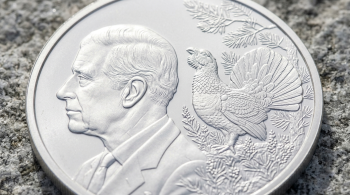
A new coin design will pair King Charles III with a Scottish grouse facing possible extinction, placing wildlife loss beside the monarch’s portrait.
The design links two national symbols: the sovereign and a bird closely tied to Scotland. It also gives a conservation issue an unusual platform. Coins pass through millions of hands, making them small but effective public messengers.
Details about the coin’s denomination, release date, and production total have not been disclosed. The grouse species has also not been identified by name. Those missing facts will shape the design’s reach and its value to collectors.
Royal Imagery Meets Wildlife Conservation
British coins have long reflected monarchy, national identity and public life. King Charles III became the face of a new period in coin design after succeeding Queen Elizabeth II.
Featuring threatened wildlife adds another layer. The coin is not only a piece of currency or royal memorabilia. It can act as a pocket-sized warning about the pressure on native species.
“The coin has been designed to feature King Charles III and a Scottish grouse close to extinction.”
The wording gives the bird equal billing with the King. That choice matters because the monarch’s image is familiar, while the grouse’s condition may be less widely understood.
It also clearly links to Charles’s long public interest in nature and environmental protection. The wildlife theme fits that record, although the design alone cannot repair habitat or reverse falling numbers.
A Small Object With Wide Reach
Conservation campaigns often struggle for public attention. A coin can reach people who may never visit a nature reserve, read an ecological report or join a wildlife group.
Its impact will depend on several practical details:
- Whether the coin enters normal circulation or is sold mainly to collectors
- How clearly the grouse can be identified from the finished image
- Whether supporting material explains why the bird is threatened
- Whether any proceeds or related activity support conservation work
A circulating coin would gain the widest audience. A limited commemorative issue might attract stronger collector interest, but fewer people would encounter it in daily purchases.
The design may also prompt questions about how national symbols are chosen. Wildlife images can celebrate a country’s natural heritage, yet they can also expose how quickly that heritage is being lost. That tension gives the coin more weight than its metal value suggests.
What the Design Cannot Do Alone
Putting an endangered animal on currency can build awareness, but awareness is not the same as recovery. Threatened birds usually require sustained action, including habitat protection, monitoring, and long-term funding.
The coin’s conservation message could weaken if officials provide little explanation. Without the species name, population information or reasons for its decline, the image risks becoming decorative rather than educational.
Clear public guidance would help prevent that outcome. Information released with the coin could explain the bird’s status, its Scottish habitat and the steps needed to protect it. Such material would turn curiosity into useful knowledge.
Pairing King Charles III with a threatened Scottish grouse gives the proposed coin political, cultural, and environmental meaning. The next test is whether its release will support a larger conservation effort. Watch for the denomination, issue date, circulation plans and any formal partnership with wildlife groups. A coin can start a conversation, but saving a species requires much more than spare change.
Image credit: Pexels