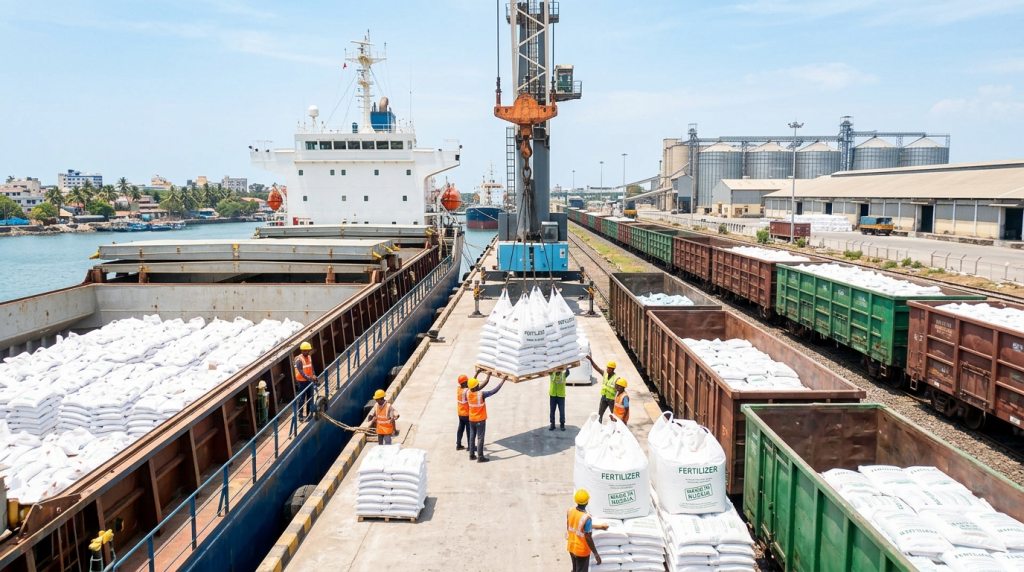
Russia has sharply increased fertilizer shipments to India this year, deepening an agricultural trade relationship that now supplies one-third of India’s imported fertilizer.
President Vladimir Putin has assured Prime Minister Narendra Modi that Russia will continue providing vital farm supplies. The pledge matters because fertilizer prices and availability can influence crop output, food prices, and government spending.
Russian producers shipped 6.5 million tonnes of fertilizer to India last year. The latest increase places Russia at the center of India’s effort to secure enough nutrients for its large farming sector.
Table of Contents
ToggleRussia Takes a Larger Supply Role
India now imports one of every three tonnes of fertilizer from Russia. That share shows how quickly trade between the two countries has grown.
“India now imports one in every three tonnes of fertilizer from Russia.”
The relationship offers clear benefits to both sides. India gains access to large volumes of an essential agricultural input. Russian producers secure a major market for mineral fertilizers.
Putin’s assurance to Modi signals that agricultural trade remains a priority in relations between Moscow and New Delhi. Fertilizer is less visible than oil or defense equipment, but its impact reaches farms, grocery stores, and household budgets.
Food Security Raises the Stakes
Fertilizers supply nutrients needed to maintain crop yields. Reliable deliveries are especially important for countries managing large populations and extensive farming systems.
For India, steady imports can help limit supply shortages during planting seasons. Any disruption could pressure farmers, raise subsidy costs, or reduce the amount applied to crops.
The current trade pattern provides several practical advantages:
- Large shipments can support predictable planting plans.
- Stable supplies may reduce sudden pressure on domestic fertilizer markets.
- Long-term trade can give producers greater confidence about future demand.
Yet dependence on one supplier also creates exposure. Shipping problems, trade restrictions, payment difficulties, or diplomatic disputes could interrupt deliveries. A one-third import share is commercially useful, but it also makes supply planning more sensitive to Russian production and export policy.
BRICS Markets Gain Importance
India is part of a wider shift in Russian fertilizer exports. BRICS nations receive half of all Russian mineral fertilizer shipments abroad.
That figure indicates that the group has become a major destination for Russian producers. It also shows how trade links among BRICS members are moving into basic goods tied to food production.
For Russia, strong demand from these markets can support export volumes. For buyers, Russian supplies can add another fertilizer source. However, concentrating trade within a smaller group may increase exposure to transport routes, currencies, and political decisions shared across those relationships.
What Comes Next
The next test will be whether higher shipments produce a stable, lasting supply arrangement. Policymakers will watch delivery volumes, contract terms, prices, and seasonal availability.
India may also need to balance deeper Russian trade with supplier diversity. Buying more from one source can improve short-term access, while a wider supplier base can protect against future shocks. Agricultural supply chains, much like crops, rarely benefit from putting everything in one field.
Russia’s growing share of India’s fertilizer imports confirms that farm inputs have become a key part of bilateral trade. Continued shipments could support Indian agriculture and Russian exporters. The bigger question is whether both governments can maintain reliability without letting dependence become a weakness.