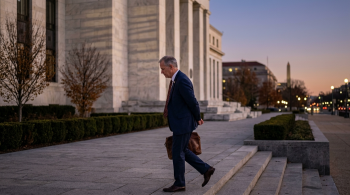
Federal Reserve Chair Kevin Warsh is keeping his future plans out of public view, raising questions about leadership continuity at a sensitive institution. The limited disclosure leaves investors, lawmakers, and households without clear guidance on how long he expects to remain in the role or what may come next.
The central message is blunt: Warsh thinks the public does not need to know about his future plans. That position may protect his privacy, but a Federal Reserve chair is no ordinary officeholder. Even personal career decisions can affect expectations about interest rates, inflation policy, and financial regulation.
Why Leadership Plans Matter
The Federal Reserve makes decisions that influence borrowing costs across the economy. Its policies can affect mortgages, credit cards, business loans, employment, and the value of the dollar.
Markets therefore study every signal from the central bank’s leadership. A hint about a chair’s departure can start debate over possible successors and policy changes. Silence can prevent premature speculation, yet it can also create an information gap. Wall Street has never met an information gap it did not try to fill.
Clear succession planning may help institutions prepare for change. However, announcing personal plans too early could weaken a chair’s authority or turn routine policy meetings into a running contest over the next leader.
Privacy Meets Public Accountability
Warsh’s apparent position creates a basic tension between individual privacy and public responsibility. Public officials do not surrender every private consideration when they take office. Still, their choices may carry public consequences.
“Fed Chair Kevin Warsh thinks you don’t need to know about his future plans.”
The statement does not explain whether Warsh has made a decision, set a timetable, or simply declined to discuss the issue. That distinction matters. Refusing to reveal a settled plan differs from having no plan to announce.
Several questions remain unanswered:
- Whether Warsh intends to serve for a defined period.
- Whether he has discussed his plans with government officials.
- Whether any possible departure could affect policy continuity.
- When he believes public disclosure would become appropriate.
Without those details, firm conclusions would be premature. The lack of information is itself newsworthy, but it is not evidence that a departure is near.
Communication Carries Economic Weight
Federal Reserve communication is part of monetary policy. Officials use speeches, statements, projections, and news conferences to explain their decisions. Those messages can move markets before any interest rate changes.
Leadership questions sit outside the usual policy debate, yet they can shape how official guidance is received. Investors may wonder whether current priorities will survive a change at the top. Lawmakers may seek assurances that the institution has an orderly transition process.
There is also a case for restraint. Constant discussion of career plans could distract from economic data and collective decision-making. The Fed’s policy work does not rest on one person alone, even though the chair has unusual influence over its message and direction.
Warsh’s silence may be intended to keep attention on the job rather than the person. But continued uncertainty could produce the opposite result. The longer questions persist, the more attention they may attract.
The key issue is not whether the public deserves every private detail. It is whether leadership plans could affect confidence, policy, or an orderly transfer of authority. Watch for a clearer timetable, official succession signals, or any indication that Warsh’s plans are starting to shape Federal Reserve decisions.