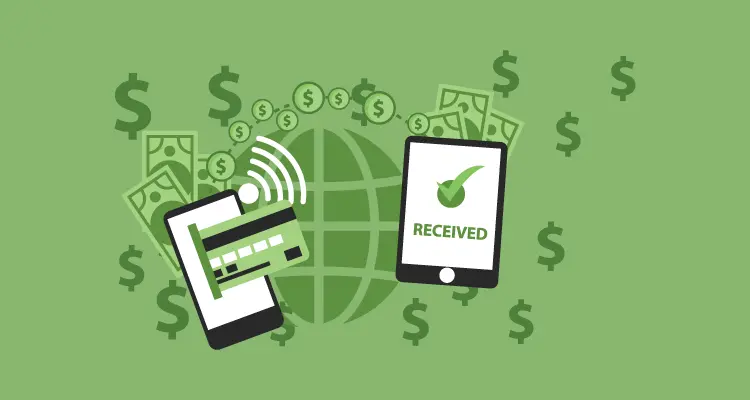
You may have noticed that you can now get a loan at an online checkout, hold a balance in a rideshare app, or buy insurance inside a travel site, all without ever visiting a bank. This is embedded finance, one of the most important shifts in how money works, and it is reshaping the financial industry largely out of sight. Here is what embedded finance is, why it is exploding, and what it means for your money in 2026.
Table of Contents
ToggleWhat Embedded Finance Actually Means
Embedded finance is the integration of financial services, such as payments, lending, banking, and insurance, directly into non-financial apps and platforms. Instead of going to a bank, the financial product comes to you, woven seamlessly into a service you are already using.
A company offering it usually is not a bank itself; it partners with banks and fintech firms behind the scenes to deliver the service under its own brand. The result is that buying, borrowing, and paying happen invisibly inside the apps and stores you already trust, with no separate trip to a financial institution required.
“Software is eating the world.”
Marc Andreessen’s famous 2011 essay, published by his firm Andreessen Horowitz, predicted exactly this. Financial services are being absorbed into software, so that companies whose core business has nothing to do with banking can now offer banking-like features as easily as adding any other app function.
Examples You Already Use
Embedded finance is already all around you, often without you thinking of it as “banking”:
- Buy now, pay later options offered right at online checkout.
- Balances and debit cards inside rideshare, delivery, and retail apps.
- Insurance offered at the moment you book travel or buy a product.
- Small business loans offered by the e-commerce or payment platforms a business already uses.
Each of these takes a financial product that once required a separate application and embeds it into the exact moment you need it, removing friction and steps.
Why Embedded Finance Is Growing So Fast
The appeal is powerful for everyone involved. For companies, offering financial services deepens customer relationships, creates new revenue, and keeps users inside their app.
For consumers, it removes friction, putting the right financial product at the exact point of need rather than forcing a separate errand. And for the banks and fintech firms providing the underlying infrastructure, it opens enormous new distribution channels. Advances in technology have made it far easier for any company to plug in financial features through software connections, so the trend has accelerated rapidly and shows no sign of slowing.
The Benefits for Consumers
Used well, embedded finance genuinely improves the customer experience:
- Convenience, with financial services available exactly when and where you need them.
- Speed, since approvals and payments happen instantly inside the app.
- Access, as more people can reach credit and financial tools through platforms they already use.
- Better-tailored offers based on your actual activity within the service.
The Risks to Watch
The same seamlessness that makes embedded finance convenient also creates risks. Because financial products appear at the moment of purchase, they can encourage impulsive borrowing, like tapping buy now, pay later for things you cannot really afford. The provider behind the service is not always obvious, so it can be unclear who actually holds your money and whether it is insured.
Data privacy is another concern, since these services rely on access to your activity and financial information. And the friction that embedded finance removes was sometimes a useful speed bump that gave you a moment to think before borrowing or spending. Convenience is not always your friend when it comes to money.
How to Use It Wisely
Embedded finance is not something to avoid, but it is something to approach with awareness. A few habits keep it working for you rather than against you. Treat an embedded loan or buy-now-pay-later offer with the same caution as any other debt, and only use it for things you could afford anyway. Find out who provides the financial service and whether any balance you hold is insured before trusting it with real money.
Guard your data by understanding what you are sharing and with whom. And recognize the psychology at play: these tools are engineered to make spending and borrowing effortless, so the discipline has to come from you. The convenience is real, but so is the temptation.
What Embedded Finance Means for the Future
Stepping back, embedded finance represents a fundamental shift in how financial services reach people, and the trend is only accelerating. Increasingly, you will not go to a bank for financial products; the products will appear inside whatever app or platform you are already using, at the exact moment you need them. This blurring of the line between technology companies and financial institutions means more competition, more convenience, and more choice, but also a financial landscape where it is less obvious who you are actually dealing with.
For consumers, the smart response is to enjoy the convenience while staying intentional: know who is behind a financial product before you use it, understand the terms, and apply the same discipline you would to any borrowing or spending. Embedded finance is not inherently good or bad; it is a powerful shift that rewards the informed and can trip up the careless.
The people who thrive will be those who embrace the convenience without surrendering their judgment, treating these seamless tools as exactly that, tools, rather than letting frictionless access quietly reshape their spending and borrowing habits.
Questions to Ask Before You Use It
Whenever you encounter an embedded financial product, a loan at checkout, a balance in an app, or insurance offered at the point of sale, pause and ask a few quick questions before you opt in. Who actually provides this service, and are they reputable? Is any money I hold here insured, and by whom? What are the real terms, including interest, fees, and repayment schedule? And would I seek out this product on my own, or am I only considering it because it appeared in front of me at a convenient moment? That last question is the most revealing, because embedded finance is designed to capture you in the moment of need or temptation.
Taking thirty seconds to answer these questions restores the deliberate decision-making that frictionless design is built to bypass. The convenience is genuinely useful when the product is sound, and you actually need it, and easy to regret when it is neither.
The Bottom Line
Embedded finance is quietly putting banking, lending, payments, and insurance inside the apps and stores you already use, and it is one of the biggest shifts in modern finance. It offers genuine convenience, speed, and access, but it also makes borrowing and spending frictionless in ways that can work against you, while raising questions about who holds your money and your data. Enjoy the convenience, but apply the same discipline and skepticism you would to any financial product.
Understand what is happening behind the seamless experience, and embedded finance becomes a useful tool rather than a hidden trap. For more on the future of money, explore our finance coverage.
Image Credit: Pexels