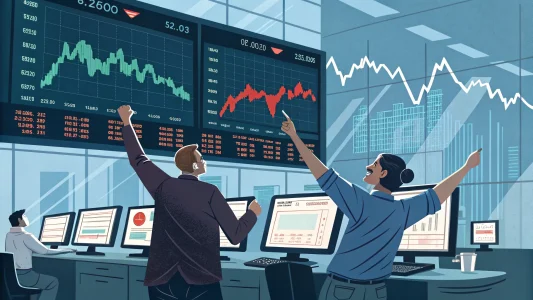
Markets ripped higher after a headline-grabbing morning from President Trump. Love him or hate him, he understands how headlines can move prices. The timing came on the heels of a crucial technical moment for stocks. Late last week, the S&P 500 slipped under its 200-day moving average, a line that traders and investors watch closely. That break matters. Historically, once that support gives way, the average drawdown from there is about 16.5%. We were down roughly 7% at that point, which means history leaves room for more weakness if the slide resumes.
I am Taylor Sohns, CEO of LifeGoal Wealth Advisors, a CIMA and a CFP. I care less about the political noise and more about risk and return. Technical levels do not predict the future, but they reflect investor behavior. When a major index falls below the 200-day moving average, buyers tend to become cautious. Sellers gain confidence. Rallies face more doubt. That shift is why I call this a move from “buy the dip” to “sell the rip.”
“Breaking the 200-day flips the market from a buy the dip market to a sell the rip market.”
Table of Contents
ToggleWhy the 200-Day Moving Average Matters
The 200-day moving average is a simple tool. It tracks the average closing price of an index over about nine months of trading days. It is slow-moving and reduces daily noise. Many institutions and systematic strategies use it as a trend filter. When prices are above it, they hold more risk. When prices are below it, they hold less. Because so many participants act on that cue, the line can turn into a self-fulfilling level of support or resistance.
When the S&P 500 breaks under the 200-day, sellers often press their advantage. We also tend to see lower highs on rebounds. Those bounces can be swift. But they face resistance near that same moving average. The question now is simple: did the market reclaim that level in a meaningful way, or was this a quick head fake?
“Can it hold? Or is this a market pump fake because the damage is already done?”
View this post on Instagram
The Historical Playbook: Average Drawdowns After a Break
History is not a promise, but it gives a map. After the S&P 500 loses its 200-day moving average, the average further decline has been about 16.5% from the break point. At the time of the recent breach, stocks were down around 7% from the highs. That gap matters. It tells me rallies back to the 200-day deserve scrutiny. They can fade fast if sellers stay in control.
In prior cycles, the first break below the 200-day sometimes bounced back above the line within days. But the rebound often failed unless breadth improved and volume confirmed the move. I look for more than a green day. I look for multiple days of advances, stronger volume on up sessions, and leadership from cyclical sectors. Without those, “sell the rip” can overpower “buy the dip.”
What I’m Watching Now
There are a few signals that help separate a durable recovery from a quick rebound. I watch them together, not in isolation:
- Price vs. 200-Day: Multiple closes above the 200-day, with a cushion of 1–2%, show staying power. One intraday pop does not count.
- Breadth: More stocks advancing than declining across sectors. Strong days led by only a handful of mega caps are less convincing.
- Volume: Higher volume on up days signals real buying, not just short covering. Weak volume suggests fragile demand.
- Credit Spreads: Tightening spreads indicate a risk-appetite shift. Widening spreads often precede equity weakness.
- Volatility: A falling VIX during rallies points to calmer conditions. A rising VIX during a bounce is a warning.
- Sector Leadership: Cyclicals (industrials, financials, small caps) leading higher is healthier than defensive groups driving gains.
If those pieces line up, the case for a sustained move strengthens. If they do not, the odds tilt toward another test lower.
Headlines vs. Fundamentals
Political headlines can swing sentiment in the short run. Markets react to attention, and high-profile figures know that. But durable uptrends need fuel from fundamentals. Earnings, employment, inflation, and policy set the stage. If corporate profits are growing and inflation stays contained, dips get bought. If profits flatten and financing costs remain high, bounces can fail.
I separate noise from signal by weighing the calendar. Earnings season, inflation reports, and central bank meetings carry more weight than a single morning post. If a bounce happens right before a big data release, I treat it with caution. It might be front-running good news. It might also be a relief rally that fades if the data disappoints.
Buy the Dip vs. Sell the Rip
These phrases describe behavior, not rules. In a rising trend, traders view declines as chances to add. In a falling trend, traders fade strength, expecting lower highs. The 200-day acts as a line between those regimes because it marks the longer-term direction. When price is below the line and sloping down, the market earns less benefit of the doubt.
That shift also changes how I think about risk. Position sizing matters more. Stop losses matter more. Cash cushions can help. If we reclaim the 200-day with confirmation, I can lean back in. Until then, I plan for choppy action and lower conviction.
“Today’s an important day. We need to hold the line.”
How I’m Positioning Risk Right Now
I do not swing for the fences in this setup. My focus sits on process and discipline. Here is how I think about it as a portfolio manager and planner:
- Time Horizon: Long-term investors can keep dollar-cost averaging. Short-term traders should respect risk and avoid oversized bets.
- Diversification: Broad exposure across sectors and asset classes can soften volatility while the trend is uncertain.
- Risk Controls: Define exit levels. If a position rallies into resistance and stalls, consider trimming rather than hoping.
- Quality Tilt: Companies with solid balance sheets and steady cash flow often hold up better in whippy markets.
- Liquidity: Keep some dry powder. If a deeper pullback happens, you can add at better prices.
I also weigh tax impacts, especially after sharp moves. Harvesting losses in weaker names can offset gains elsewhere. That tactic adds value without trying to time every zig and zag.
Reading the Tape: What Would Convince Me
Three things would tell me this bounce has legs:
First, back-to-back closes above the 200-day with expanding volume. That would show real demand, not just a one-day pop. Second, improving breadth with small caps and cyclicals leading. Leadership concentrated in a few megacaps is less sturdy. Third, calmer credit markets with tighter spreads. Equities rarely sprint while credit is nervous.
If those arrive, I can shift from defense to neutral, and then to offense. Until then, I will respect the idea that rallies are meant to be sold into resistance, not chased.
Macro Checkpoints on My Radar
Both macro data and policy shape the playing field around these technical levels. The factors below will influence whether “hold the line” turns into a lasting trend or a brief pause:
- Inflation Trajectory: Sticky inflation keeps real rates high, which pressures valuation multiples.
- Labor Market: Cooling jobs without a collapse supports a soft landing; a sharp deterioration raises recession risk.
- Earnings Revisions: Upward estimates back a durable rally. Broad cuts would argue the other way.
- Central Bank Path: Clear signals on rates and balance sheet policy reduce uncertainty.
- Policy Headlines: Tariffs, tax proposals, and energy rules can shift sector winners and losers quickly.
I do not set strategy off a single headline, even a loud one. I stack signals. Technicals tell me how participants are behaving. Fundamentals tell me whether that behavior can persist. Policy sets the guardrails.
What This Means for Different Investors
If you are early in your savings journey, keep putting money to work on a schedule. Volatility helps those contributions buy more shares when prices dip. Your edge is time and consistency. Avoid big timing calls.
If you are nearing retirement, review your allocation. Confirm that your cash needs for the next few years are not at the mercy of stock swings. A balanced mix of equities, bonds, and cash-like instruments can improve sleep at night.
If you are a trader, treat the 200-day and nearby resistance as your map. Wait for confirmation. Do not let one green candle pull you off plan. Losing less in tricky markets often sets you up to win more later.
Final Thought
Markets can be dramatic around inflection points. A well-timed headline may spark a rally, but staying power requires more than a viral moment. The S&P 500 popping back above its 200-day is a start. History reminds us the average post-break drawdown is deeper than where we stand today. That tension is exactly why this level matters now.
I will respect price, measure the evidence, and let the data guide risk. If the market proves itself with stronger breadth, volume, and credit, I will lean in. If not, I will keep defense on the field and wait for a cleaner pitch. The goal is the same as always: protect capital, stay disciplined, and be ready for opportunity when it is real.
Frequently Asked Questions
Q: What makes the 200-day moving average so watched?
It reflects the long-term trend, and many investors use it to guide risk. Because so many follow it, the level often becomes psychological support or resistance.
Q: How should a long-term investor react to a break below the 200-day?
Stay consistent with your plan. Keep dollar-cost averaging, check your mix, and avoid emotional trades. Ensure short-term cash needs are not tied to stocks.
Q: What signals suggest a bounce is more than a head fake?
Look for multiple closes above the 200-day, stronger volume on up days, broad sector participation, improving small-cap performance, and stable or tightening credit spreads.