The S&P 500 shot higher in a hurry. In just twenty-seven trading days, it climbed about 17%. If that pace held for a full year, the gain would be an eye-popping 236%. It will not keep that pace, but the speed tells a story. The market shrugged off a major worry and then cheered powerful profit numbers. I explain what is driving the jump, why expectations are now a hurdle, and how I think about the next steps as a portfolio manager.
“Two reasons the S&P is up 17% in just twenty seven trading days… First, on April 30, the market decided the Iran war didn’t matter. And second, corporate earnings.”
Table of Contents
ToggleWhat Sparked the Surge
Markets move fast when fear fades and cash looks for a home. That is what happened. A near-term geopolitical scare eased. Focus shifted back to profits. Earnings then beat a high bar—and kept rising. That one-two punch drove a powerful relief rally and a renewed chase for growth.
I view this move as a blend of two forces. First, lower perceived risk. Second, stronger-than-expected earnings. When those arrive together, investors take on more risk. Valuations expand. Big winners get even bigger. The tape tells that exact tale.
View this post on Instagram
The Earnings Picture Is “Nuts” for a Reason
By the time about 70% of S&P 500 companies had reported results, profit growth was tracking at nearly 25.8% versus last year. That pace turned heads. It also changed the story around the economy. Many feared slowing demand and squeezed margins. Instead, companies posted sturdy revenue and better efficiency.
That growth was not limited to a handful of firms. Yet a small group did most of the heavy lifting. That is the heart of this market: strength at the top is pulling the index higher. The details matter for what comes next.
The Magnificent Seven Effect
The market’s largest tech and tech-adjacent companies keep setting the tone. Analysts went into the quarter expecting roughly 19% earnings growth for this “Magnificent Seven.” As reports rolled in and guidance firmed up, the estimate jumped to about 57% for the first quarter, up from last year. That is a dramatic reset in a few weeks.
Why did analysts miss that badly? Three reasons stand out:
- Stronger-than-expected demand tied to AI, cloud, and data center buildouts.
- Cost discipline that lifted margins more than forecast.
- Guidance that hinted the spending cycle has legs, not months.
I do not think every name will hit a home run each quarter. But the group continues to benefit from powerful themes. The demand is rising. Productivity tools are selling. Advertising and subscriptions are stable and improving. That mix improves cash generation and earnings quality.
The Expectations Trap Is Real
Success changes the game. It raises the bar. Street estimates now reflect bigger profit gains ahead, and that sets a new test for each quarter. Consider the technology sector as a whole. Analysts now expect approximately 38% earnings growth for the year. That is a high hurdle. Even a small miss can sting when hopes run that high.
Markets trade on changes at the margin. A company can post great results and still see its stock drop if the numbers fall short of stretched expectations. That is the core risk right now. Exceptional companies must keep beating exceptional expectations. The better they do, the more the next quarter must deliver.
Valuation, Multiples, and “What You Pay”
Rising prices reflect two things. What the business earns today and what investors are willing to pay for each dollar of those earnings. The past month saw both move higher. Earnings grew. Multiples expanded as fear eased. That combination fuels fast rallies.
I watch the price-to-earnings ratio at the index and sector level. The broad market now prices in healthy profit growth and a soft landing. That can be fine if profits keep growing and rates do not rise much further. It can hurt if earnings stumble or financing costs rise again. The setup is strong, but fragile.
Geopolitics and Market Psychology
On April 30, markets seemed to decide the Iran risk was contained, at least for now. That shift matters. When a headline risk fades, investors who had moved to cash often return. They rush into the leaders first. Heavy buying in a few large names then lifts the index more than most people expect.
We also saw a squeeze in short positions and cautious positioning. Many investors were underweight growth and mega-cap tech. Strong earnings forced quick changes. That chase added fuel to the move. This is common after a scare: a relief rally turns into a momentum wave.
What Could Go Wrong From Here
Every rally has pressure points. These are the ones I am watching closely:
- Guidance and revisions: Forward guidance must keep pace with the new bar. Negative revisions could bite more than usual.
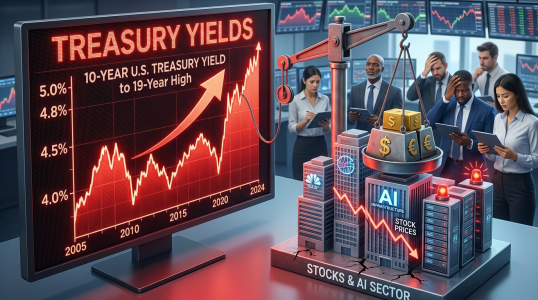
- Rates and inflation: A fresh rise in long-term yields would weigh on high-multiple stocks and slow multiple expansion.
- Margins: Cost controls helped. If wage pressure or input costs return, margins may flatten or slip.
- Concentration: A handful of mega-caps drive a large share of index returns. Narrow breadth can reverse fast.
- Policy and regulation: Any step that slows major tech platforms or chip supply could hit growth estimates.
- Geopolitical shocks: A surprise escalation could push risk premiums higher again.
The Health Check Behind the Headlines
Outside the giants, I look for signs of broad improvement. Several are encouraging. Backlogs in some industries are normalizing without demand falling off a cliff. Credit markets remain open. High-yield spreads are contained. Consumer balance sheets still have a cushion, though less than last year. Corporate balance sheets are steady, with many firms extending maturities when rates were lower.
There are also mixed signals. Small-cap earnings have lagged large caps. Interest expense is rising for some companies as old debt rolls off. Certain goods categories face slower demand after a pandemic surge. These are normal parts of a cycle, but they make the market more selective. Stock picking matters when leadership narrows.
How I’m Thinking About Positioning
I respect momentum and earnings strength. I also respect risk. My approach blends both. I want exposure to the themes that are working, while managing drawdown risk if the bar proves too high. Here is how I frame it:
- Keep core exposure to high-quality growth with strong free cash flow and durable moats.
- Balance with cyclical names that benefit if growth broadens out beyond mega-cap tech.
- Hold some ballast in assets that can help in a shock, such as short-duration bonds or cash equivalents.
- Avoid crowded trades without a clear catalyst. I want growth, but I need price discipline.
- Watch breadth. If more sectors join the advance, I can add risk. If breadth narrows, I get more selective.
Key Numbers and Takeaways
- S&P 500 up ~17% in 27 trading days. Annualized, that pace is ~236%, which is not sustainable.
- About 70% of S&P 500 companies reported, tracking roughly 25.8% profit growth year over year.
- Magnificent Seven earnings growth estimates for Q1 jumped from ~19% to ~57%.
- Tech sector earnings are expected to grow around 38% this year, a very high bar.
- Main drivers: fading geopolitical fear and stronger corporate earnings.
What to Watch Next Quarter
Earnings season is not only about reported numbers. It is about the “next twelve months” tone. I want to hear about demand signals three to six months out. I want details on AI spending durability, not just splashy headlines. I want clarity on capital intensity. Is cash flow rising as capex rises, or does the cash come later?
I am also watching supply chains for semiconductors, power, and networking. The growth path for AI depends on more than chips. It needs power, cooling, racks, and software adoption. Bottlenecks in any link can slow the story. The best operators will plan for these constraints and guide with precision.
Putting the Rally in Context
Fast rallies often arrive when investors least expect them. Cash on the sidelines jumps in after risk fades. That surge lifts leaders first, then broadens out. The next stage depends on follow-through in earnings and on rates staying contained. If both hold, pullbacks will be buying opportunities. If either falters, the market can give back gains just as fast.
As a long-term investor, I focus on process. Own quality. Rebalance with discipline. Let winners run when fundamentals support them. Trim exposure when the story gets ahead of itself. Avoid emotional swings when headlines change the daily tone.
The past few weeks offered a clear message. Earnings power matters more than any single headline. When profits grow faster than expected, prices can move far and fast. But high expectations cut both ways. The next few quarters will test whether the strongest companies can keep outrunning a higher bar. I like their chances, but I plan for bumps along the road.
Frequently Asked Questions
Q: Is this rally sustainable or a short-term burst?
The speed is not sustainable, but the trend can hold if earnings continue to beat and interest rates remain stable. Expect pullbacks. In strong earnings cycles, setbacks are normal and can be healthy.
Q: What should I watch in the next earnings season?
Focus on guidance, not just past results. Look for signs that demand, margins, and cash flow can support the new estimates. Watch AI-related spending quality and supply constraints across chips, power, and data centers.
Q: How do I manage risk if expectations for tech are so high?
Keep quality leaders, but size positions thoughtfully. Balance with areas that benefit if growth broadens. Hold some defensive assets. Use rebalancing to trim after big runs and add on measured weakness.