I spend a lot of time thinking about how to build steadier portfolios. One asset keeps standing out: farmland. It has produced stock-like returns with far less drama. It also proved its strength when inflation spiked and when stocks crashed. The point here is simple. If your mix of stocks and bonds has felt shaky, farmland may deserve a seat at the table.
Table of Contents
ToggleThe Case for Farmland in Plain Terms
Farmland has a rare mix of qualities. It generates cash flow. It tends to rise in value over time. It is tied to food demand, which grows with the world’s population. And it does not move in lockstep with traditional markets. That combination can bring balance to a portfolio without giving up long-term return potential.
“Farmland has produced a 10% investment return per year, the same as the S&P since 1991, but it’s never had a down year.”
That simple stat gives you the shape. Similar returns to a broad stock index over decades, yet without a calendar year in the red. The steadiness shows up most during stress.
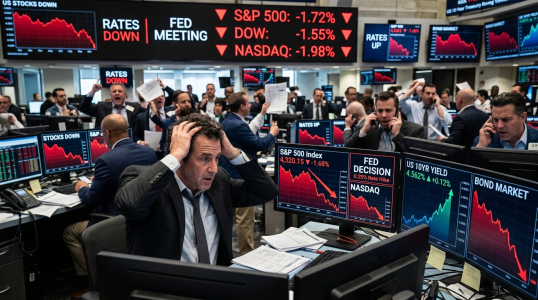
“In 2008, it was up 15.7% when the stock market got cut in half.”
When the financial system shook, farmland didn’t. It also held up when inflation roared back.
“Plus 14.5% in 2022 when inflation was its highest since the nineteen eighties, wrecking the stock and bond market simultaneously.”
Those aren’t cherry-picked one-offs. They reflect the engine behind farmland returns: demand for food and shrinking farmland supply.
“Farmland is so consistent because it’s a play on the most predictable thing on planet Earth, population growth.”
Population growth pushes food demand higher. At the same time, more land gets paved over as suburbs expand. That means a steady squeeze: more mouths to feed and fewer acres to grow on.
“Everyone eats. There’s your demand increasing… There’s your diminishing supply.”
This is the core reason farmland often delivers smooth, repeatable results over long spans.
View this post on Instagram
Key Takeaways at a Glance
- Farmland produced about 10% annual returns since 1991, with no down calendar years over that stretch.
- It gained 15.7% in 2008, while stocks fell sharply, and rose 14.5% in 2022 during high inflation.
- Its strength rests on rising global food demand and shrinking farmland supply.
- It has low correlation with stocks and bonds, which can help steady a portfolio.
- It provides two return streams: farm income and land appreciation.
- It can act as an inflation hedge because food prices and land values tend to move with costs.
Why Returns Have Been So Steady
Two forces drive farmland. First, there is cash flow from rent or crop profits. This is the steady, predictable part. Farmers pay rent, or owners share in the harvest’s economics. Second, there is land appreciation. As population increases and suburban sprawl eats into agricultural zones, each remaining acre becomes more valuable.
Food is not a luxury. It is the most basic need. When people have more income, they eat more protein and a greater variety of foods. That lifts demand further. Meanwhile, usable farmland does not magically appear. Soil quality, water access, and climate are real limits. As those constraints press, prices tend to grind higher over time.
This is why farmland can deliver a smoother path. You get a baseline yield from rents or crops. Then, over time, the land itself can climb in value. You are not betting on a fad or a niche theme. You are tied to global population growth and steady food consumption.
What History Teaches During Stress
Two years tell the story. In 2008, most investors watched the market tumble. Jobs were lost. Banks failed. Farmland, however, posted gains. The reason is that food demand did not disappear when credit markets froze. Farmers still planted. Grocers still stocked shelves. The farmland asset class stayed anchored by real activity.
In 2022, the pressure came from a different angle. Prices for goods and services jumped. Bonds sank as interest rates rose. Stocks slumped as costs climbed and margins squeezed. Farmland gained double digits. Why? Higher food prices helped. Land also shone as a hard asset in a year when cash lost value to inflation. That is the classic role of farmland as an inflation hedge.
How Farmland Fits in a Portfolio
Many investors still default to a 60/40 mix of stocks and bonds. That blend has worked for long stretches, but it can struggle when both parts move down at the same time, as in 2022. Farmland adds another line of defense. It is tied to a different driver than corporate earnings or bond yields. That can lower overall portfolio swings while keeping return potential intact.
I see farmland as a complement to public markets, not a replacement. A modest slice can be enough to change the ride. Think of it as adding a steady ballast that can shine in rough weather and keep pace in calmer years.
Ways to Invest in Farmland
Access has improved. There are a few common paths, each with trade-offs.
- Direct ownership: Buying a farm or a share of one. Highest control, potential tax benefits, but high capital needs and lower liquidity.
- Funds and partnerships: Pooled vehicles that buy and manage farms. Professional management and diversification, but fees vary, and liquidity can be limited.
- Public vehicles: Some REITs or agriculture-linked equities. More liquid, easier access, but prices can move with stock market sentiment.
Due diligence is vital. Soil quality, water rights, crop selection, tenant quality, lease terms, insurance, and geography all matter. A well-run farm in a prime region is different from a marginal property in a drought-prone area. Diversification by crop and location can help smooth outcomes.
What Can Go Wrong
No asset is perfect. Weather risk, disease, and commodity price swings can hit near-term income. Input costs for farmers—like fuel and fertilizer—can squeeze margins. Certain regions face water scarcity or regulatory changes. Farmland is also less liquid than stocks. Sales can take time, and transaction costs can be material.
That is why structure matters. Long-term leases with strong tenants offer stability. Crop insurance can limit the downside from weather. Diversification across regions and crops spreads risk. And a long time horizon helps. The population-and-supply story plays out over years, not quarters.
How Much to Allocate
Position size depends on goals, age, and risk tolerance. Some investors set aside 5% to 15% for real assets, which can include farmland, infrastructure, and real estate. The exact number varies by person. The key is to size it so that it moves the needle without causing liquidity strain. Keep enough in liquid assets for near-term needs and emergencies.
What to Look For in a Farmland Manager
If you choose a fund or partnership, vet the team and the process. Ask about the track record through different cycles, not just the past couple of years. Review how they source deals, evaluate soil and water, and structure leases. Understand fees and any profit-sharing terms. Confirm their risk controls: crop diversification, tenant screening, and insurance use.
Transparency matters. You should receive updates on rents, vacancies, farm operations, and capital improvements. In addition, review how often properties are appraised and how values are set. This affects reported returns and your comfort with the numbers.
Tax and Cash Flow Considerations
Farmland can offer tax features, but details vary by structure and jurisdiction. Depreciation, expense write-offs, and potential 1031 exchanges can come into play for direct owners. In pooled vehicles, the manager’s approach will drive how tax items flow to investors. Work with a tax professional to understand your situation and the reporting you will receive.
On cash flow, expect seasonality tied to planting and harvest schedules or lease payment timing. Many investors value the income stream as a counterweight to equities, which rely more on price appreciation for returns.
Why the Supply-Demand Engine Is Durable
Let’s go back to the heart of the case. The world keeps adding people. Diets shift with income growth. Urban areas sprawl into farmland over decades. The supply of high-quality, well-watered soil shrinks as development marches outward. Meanwhile, technology can boost yields, but it does not create new prime land. Over time, that setup supports both income and land values.
“Increasing demand with diminishing supply, there’s your recipe for smooth, consistent returns.”
This is not a theory. It shows up in the historical data and in the real economics of farms. It is also simple to grasp. Everyone eats. The land that feeds us is finite. That is why farmland can complement stocks so well.
Putting It All Together
Investors want growth, income, and stability. They also want protection when inflation picks up or when markets stumble. Farmland checks each box in a practical way. It has delivered stock-like returns over decades. It posted gains in 2008 and 2022 when most portfolios struggled. It is grounded in a basic human need and a shrinking resource.
I believe a measured allocation to farmland can make a traditional portfolio sturdier. Focus on quality land, sound management, and thoughtful diversification. Pay attention to structure, fees, and liquidity. Keep expectations reasonable and time horizons long. Do those things, and farmland can help keep your plan on track—through recessions, through inflation spikes, and through the everyday ups and downs of markets.
Frequently Asked Questions
Q: How does farmland reduce portfolio volatility?
Farmland returns are driven by food demand and land scarcity, which differ from corporate earnings or interest rates. That low linkage to stocks and bonds helps smooth overall swings.
Q: What is the simplest way for a beginner to get exposure?
For many, a professionally managed fund or publicly traded vehicle is the easiest entry. It offers diversification and expert oversight without the demands of direct farm ownership.
Q: What risks should I weigh before investing?
Key risks include weather, crop disease, commodity price shifts, water availability, and liquidity. Look for diversified holdings, strong leases, insurance, and transparent reporting to help manage these issues.