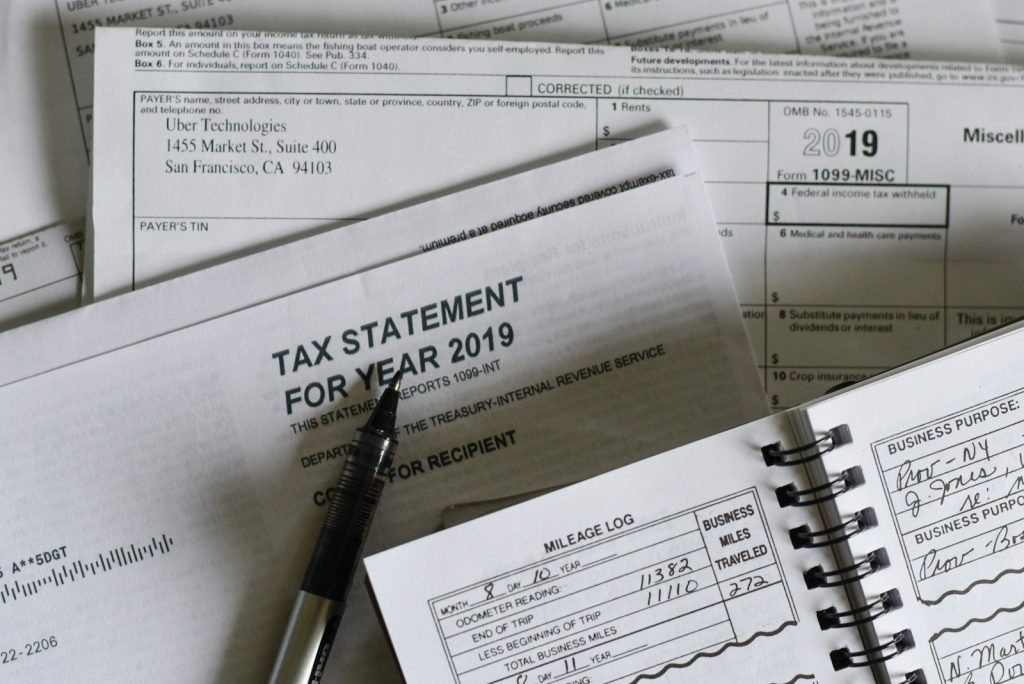
Freelancers and self-employed professionals face a unique tax paradox: they have access to more deductions than traditional employees, yet studies show they consistently leave thousands of dollars on the table. According to the IRS, self-employed taxpayers claim an average of 40% fewer deductions than they’re entitled to — an oversight worth an estimated $8,000 to $12,000 per year for the average freelancer earning $75,000+.
Table of Contents
ToggleWhy Freelancers Overpay
The structural problem is clear. W-2 employees have HR departments, payroll systems, and employer-funded benefits that automate tax optimization. Freelancers are their own HR, accounting, and benefits departments — often without the training to do any of those jobs well.
A QuickBooks survey found that 63% of freelancers prepare their own taxes, and among those, only 22% use professional-grade tax software that identifies business deductions. The rest use basic software (such as the free version of TurboTax) or paper forms that provide minimal guidance on deductions.
The result is systematic overpayment — compounded by unexpected freelancing expenses that many beginners never see coming. Developing an entrepreneur’s tax mindset can save more money than adding a new client.
Deduction 1: Home Office ($2,000-$4,500)
The home office deduction remains one of the most underused and misunderstood deductions for freelancers. The simplified method allows a $ 5-per-square-foot deduction up to 300 square feet ($1,500 maximum). But the actual expense method — which calculates the proportional share of your home expenses — often yields a much larger deduction.
If your home office occupies 15% of your home’s total square footage, you can deduct 15% of your rent or mortgage interest, utilities, internet, renters’ or homeowner’s insurance, repairs, and depreciation. For a freelancer paying $2,500/month in rent, that’s potentially $4,500 in annual deductions from this single category.
Deduction 2: Self-Employment Tax Deduction ($5,000-$8,000)
Self-employed workers pay both the employer and employee portions of Social Security and Medicare taxes — a combined 15.3% on net self-employment income. But many freelancers don’t realize that the employer-equivalent portion (7.65%) is deductible as an above-the-line deduction.
On $80,000 of net self-employment income, the deductible portion is approximately $6,120. This deduction reduces your adjusted gross income, which in turn can help you qualify for other tax benefits with income-based phaseouts.
Deduction 3: Health Insurance Premiums ($6,000-$15,000)
If you purchase your own health insurance (and aren’t eligible for an employer-sponsored plan through a spouse), your premiums are fully deductible as a self-employment adjustment. This includes medical, dental, and vision insurance for you, your spouse, and dependents.
The average individual marketplace plan costs $500 to $800 per month; family plans run $1,200 to $2,500 per month. Deducting these premiums at a 22% to 32% marginal rate saves $1,600 to $9,600 annually in federal taxes alone.
Deduction 4: Retirement Account Contributions ($5,000-$23,500+)
Freelancers have access to retirement account options that are arguably better than what most employees get. A Solo 401(k) allows total contributions of up to $70,000 in 2026 (employee plus employer contributions), while a SEP-IRA allows contributions of up to 25% of net self-employment income, to a maximum of $70,000.
Every dollar contributed to a traditional Solo 401(k) or SEP-IRA reduces your current-year taxable income dollar-for-dollar. A freelancer earning $100,000 who contributes $23,500 to a Solo 401(k) saves approximately $5,170 in federal taxes at the 22% bracket — while simultaneously building retirement wealth.
Many freelancers don’t know these specialized retirement accounts exist, defaulting to a basic traditional or Roth IRA with its $7,000 contribution limit.
Deduction 5: Professional Development and Education ($1,000-$5,000)
Courses, certifications, conferences, books, coaching programs, and professional memberships that maintain or improve skills related to your freelance business are fully deductible. This includes online courses, industry conferences (including related travel), professional association dues, and subscription services such as LinkedIn Premium or industry publications.
Many freelancers track the big education expenses but miss the smaller ones: a $15/month Grammarly subscription, a $50 professional book, or a $200 online course. These add up to meaningful deductions over a year.
Deduction 6: Vehicle and Travel Expenses ($2,000-$6,000)
If you use your vehicle for business — client meetings, networking events, post office trips, supply runs — you can deduct either the standard mileage rate (70 cents per mile in 2026) or actual vehicle expenses proportional to business use.
The standard mileage rate is typically more advantageous for most freelancers. At 70 cents per mile, just 200 miles per month of business driving yields a $1,680 annual deduction — and our business mileage guide walks through how to maximize this without raising audit flags. Many freelancers drive significantly more than that.
Business travel — flights, hotels, and 50% of meals while traveling for business — is also fully deductible. These commonly forgotten business expenses can add thousands to your annual deductions.
Deduction 7: Software, Tools, and Subscriptions ($1,000-$3,000)
Every tool you use to run your freelance business is deductible: project management software, accounting tools, cloud storage, website hosting, domain names, email marketing platforms, design software, and communication tools. Even your phone bill is partially deductible based on the percentage used for business.
A typical freelancer’s toolkit might include: accounting software ($20/month), project management tool ($15/month), website hosting ($25/month), cloud storage ($10/month), professional email ($6/month), and various specialized tools. That’s roughly $900 per year in subscription deductions alone, before accounting for hardware purchases.
How to Capture Every Deduction
The difference between freelancers who overpay and those who don’t isn’t knowledge — it’s systems:
Separate business banking. Open a dedicated business checking account and credit card. Run all business transactions through these accounts — and you may even want to learn why you should pay your federal taxes with your credit card to earn rewards on those payments. This creates an automatic paper trail that makes tax preparation faster and deduction identification easier.
Track mileage in real time. Use an app like MileIQ or Everlance that automatically logs business trips using your phone’s GPS. Reconstructing mileage at tax time is inaccurate and often results in an undercount.
Save receipts digitally. Apps like Dext or Shoeboxed let you photograph receipts and automatically categorize them. The IRS requires documentation for deductions, and digital records are fully accepted.
Quarterly tax reviews. It’s already past April–but start watching your tax savings grow, now. Review your deductions quarterly when you prepare estimated tax payments. Quarterly tax management prevents the year-end scramble that causes most missed deductions.
The Bottom Line
As a freelancer, your tax bill is likely thousands of dollars higher than it needs to be. The seven deductions above represent $8,000 to $12,000+ in potential annual savings, money that’s legally yours to keep. The IRS doesn’t send you a reminder about deductions you’ve missed. That responsibility falls entirely on you — and there are even more ways you can still lower your taxes beyond these seven deductions. Build the systems, track the expenses, and claim every dollar you’re entitled to.