I’m watching three catalysts that could stretch equity prices even further in the near term. Each one feeds the same theme: easy narratives, strong liquidity, and investors willing to buy first and ask questions later. As CEO of LifeGoal Wealth Advisors and a CFP and CIMA, I study how a single headline can move prices. We saw last week that the mix of geopolitics, high-profile offerings, and fresh guidance from the Federal Reserve could shape risk appetites in a big way.
“Three things that could blow this bubble even bigger.”
Table of Contents
ToggleThe Setup: Why This Week Matters
Markets have been leaning into good news for months. Earnings have been fine, but multiple expansion has done much of the work. The bar for optimism is low, and the cash waiting on the sidelines is high. When that is the case, even short-term relief on oil, a strong reception for a marquee offering, or a hint of rate cuts can push prices higher. The flip side is fragile. If any of these pieces fail, volatility can return fast.
- Peace headlines tied to Iran could pull oil lower and ease inflation fears–still looks good–but we watch and see.
- Smooth digestion of a giant new listing supports the idea that liquidity remains deep.
- The Fed’s tone, under new leadership, may reopen the door to cuts if inflation looks temporary.
“If any of those three points change, markets will convulse.”
View this post on Instagram
Oil, Iran, and the Inflation Nerve
Energy prices can move the whole tape because they touch both consumers and companies. Last weekend, crude sold off hard on hopes for a path to peace with Iran. The print I saw put a barrel at roughly $80.23, almost exactly where it sat a year ago. That level matters. When oil is flat year over year, it takes pressure off headline inflation in the near term. Again, we watch. Start watching and educate yourself.
Gasoline usually follows crude with a lag. Refining, taxes, and local supply still matter, but the curve points down for now. If retail gas prices slip ahead of the summer travel season, consumer mood should improve. That filters into spending on hotels, restaurants, and leisure. Investors often buy those stories quickly, even before the data confirm it.
There’s a policy angle too. Lower energy costs feed through to the CPI and PCE baskets with a lag. If the headline prints cool, it becomes easier for the Fed to talk about cuts without spooking bond markets. That softens financial conditions and supports equity multiples. The market loves that loop.
I also consider the risk case. A fragile truce can snap. If tensions flare, oil can rip higher in hours. Producers may also trim output if prices fall too far. In that scenario, any relief rally can vanish, and inflation expectations can pop. Position sizing and risk controls matter because this tape can turn on one headline.
IPO Heat and the Signal From Big Offerings
We just watched the market absorb the largest initial public offering ever, and the tape did not flinch. Investors took it in stride, which tells me there’s depth of demand. That can keep rallies alive because a new paper can find buyers without draining the rest of the market.
SpaceX is also trading well in private markets, as evidenced by reported secondary activity and fundraising marks. Even though it isn’t publicly listed, those signals can shape sentiment. Investors look at premium valuations for marquee names and read it as a sign that risk appetite is healthy. When big brands carry strong private valuations, it often spills over into public tech, aerospace, and adjacent themes.
I track post-IPO performance and money flows to see if demand is broad or narrow. Strong trading after a giant listing suggests more than just one-off enthusiasm. It says the buyers have cash to deploy and are willing to pay up. That’s oxygen for a rally.
Still, history warns against reading too much into early trading. Many of the hottest deals in past cycles cooled after the first few weeks once lock-ups expired and estimates reset. If the largest deal ever were to slump hard, it would dent this confidence story in a hurry. The same goes for any negative surprise from a widely watched private name.
The Fed’s First Meeting Under Warsh
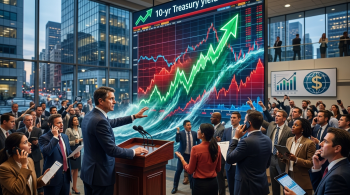
The most important cue may come from the Federal Reserve. This week marks the first meeting with Kevin Warsh as chair. Markets will parse every word. If he frames the recent inflation bump as short-term and tied to war-related shocks, traders will hear “cuts are still on the table.” That would be fuel for risk assets.
“If he makes it very clear that they’re looking at this inflation as short term … and is still pushing for rate cuts, this bubble will inflate.”
The mechanics are simple. Rate cuts lower discount rates, thereby raising present values of future cash flows. That math helps long-duration assets like tech, biotech, and speculative growth. It also takes pressure off interest-sensitive sectors, such as housing and small caps, with floating-rate debt.
As a planner, I also watch the bond market’s read. If the Fed signals cuts but the 10-year Treasury does not fall, the benefit to equities is smaller. The shape of the curve tells us how much easing is priced in and whether growth fears are creeping in. A sharp, front-end-led steepening can be bullish at first, but it also warns of policy shifts coming quickly.
The risk case is clear. If Warsh sounds tough on inflation or hints at fewer cuts, multiples can compress. Markets have leaned into a soft-landing script. Any change in tone can force a rethink.
Why These Three Catalysts Feed a Bubble
All three forces—cheaper oil, huge deals clearing, and friendlier policy—do the same thing. They lift confidence while liquidity stays ample. In that setting, valuations can stretch. Traders reach for momentum. Retail activity picks up. Even modest beats get rewarded.
That can feel great while it lasts. But it also raises the bar for future news. When prices move far ahead of fundamentals, small disappointments hurt more. The next earnings season, the next CPI print, or the next geopolitical headline can hit harder than usual. A frothy tape is less forgiving.
What Could Go Wrong
It helps to stress test the bull case. Here are the pressure points I see:
- Energy: A fresh supply shock or renewed conflict could send crude back above $90, lifting pump prices and reviving inflation fears.
- Liquidity: If the big IPO underperforms or new issuance accelerates too quickly, demand can get stretched, and spreads can widen.
- Policy: A hawkish Fed surprise or sticky core inflation can reset rate expectations and pull down multiples.
These are not long-shot risks. They are regular features of markets. The key is staying flexible and keeping portfolios tied to time horizon and goals, not to a headline.
How I’m Thinking About Positioning
I separate trading windows from investing goals. In a week like this, short-term setups can look tempting. Relief in oil plus a friendly Fed tone can carry cyclicals, travel, and parts of tech. If that is your lane, tight risk controls and clear exit plans matter.
For long-term investors, discipline counts more than headlines. Diversification across assets can absorb shocks if one story breaks. Quality balance sheets, steady cash flows, and pricing power still anchor a portfolio in any tape. Dollar-cost averaging keeps you from chasing peaks or freezing during dips.
I also watch correlation. If the bubble inflates further, correlations within growth can rise. That means when one hot pocket of the market sells off, the rest often moves with it. Hedging with cash buffers, short-duration fixed income, or selective factor tilts can reduce whipsaw risk.
Signals I’ll Watch This Week
To separate noise from signal, I focus on a few markers:
- Gas prices at the pump: Are they falling in line with crude, and how fast?
- Credit markets: Are high-yield spreads staying contained as supply comes?
- Fed communications: Is the chair characterizing inflation as temporary, and what do the dots and statement imply about the path of cuts?
- Rate market reaction: Does the 2s/10s curve steepen, and how do real yields move?
- Post-IPO performance: Is demand broad-based across sectors, or narrow and concentrated?
Those checks keep me grounded. If most are flashing green, then the rally can run. If a few flip red, I prepare for chop.
Investor Psychology and the “Bubble” Word
Calling a bubble does not, by itself, help you manage risk. Price action can climb long after it looks stretched on paper. What I watch is behavior. Are investors extrapolating short-term news into long-term assumptions? Are new buyers coming in because “it only goes up”? Are profitless companies outperforming profitable ones by a wide margin? Those are yellow flags.
There is also a healthy side to optimism. Confidence supports hiring and capex. Better financing conditions can help good businesses grow. The line between smart risk-taking and speculation is thin, but not invisible.
What This Means for Everyday Investors
If you’re planning a trip this summer, softer gas prices are a win. Lower fuel costs also help household budgets, which can steady spending. If your retirement horizon is years or decades, a single Fed meeting or IPO should not change your plan. Stick to your allocation rules and rebalance on schedule.
For those who are more active, respect the tape, but do not forget the exit. Late-stage rallies can be powerful and quick. They can also reverse without warning. Manage position sizes, use stop levels if they fit your process, and avoid piling into names only because they are moving.
As always, match risk to your goals. Short-term speculation and long-term wealth building are different games. It is fine to play both if you keep them separate.
The week ahead offers a clean test of this bull story. Cheaper oil, a giant deal that trades well, and a Fed hinting at cuts could push prices higher. But if any one of those breaks, the market can lurch lower. Stay nimble, keep perspective, and let your plan—not the headlines—do the heavy lifting.
Frequently Asked Questions
Q: How long does it take for cheaper oil to lower gasoline prices?
Retail fuel prices often lag crude by one to three weeks, depending on refining schedules, inventories, and regional taxes. Prices rarely move penny-for-penny, but the direction usually aligns.
Q: Why do big IPOs affect the broader stock market?
Large offerings test investor demand and liquidity. If a huge deal trades well, it signals buyers have cash and appetite for risk, which can support valuations across sectors.
Q: What should I watch in the Fed’s message beyond the headline rate decision?
Focus on how the chair frames inflation drivers, the policy path in the dot plot, and market reaction in Treasury yields. A softer tone with falling yields often lifts equities.