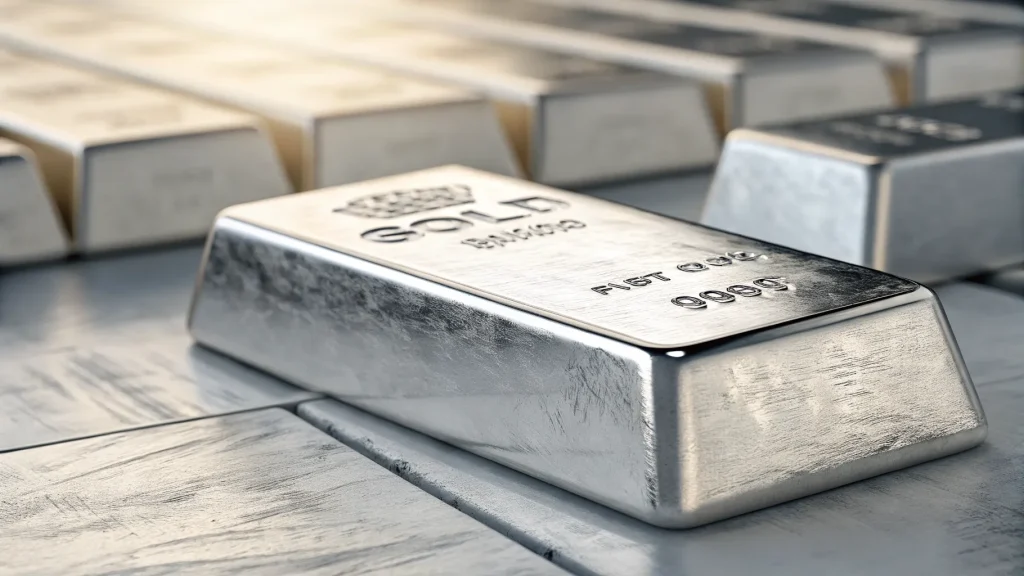
As households face sticky prices and higher borrowing costs, a familiar hedge is back in focus: silver. Investors are reassessing the metal as inflation insurance while markets weigh the path of interest rates and growth. The renewed interest follows two years of uneven inflation readings in the United States and abroad, and a choppy dollar that has prompted many to rethink their asset mix.
Table of Contents
ToggleWhy Silver Is Back on the Menu
Inflation in the United States peaked at 9.1 percent in June 2022, according to the Bureau of Labor Statistics, before easing through 2023 and 2024. Even with progress, prices for essentials remain elevated compared with pre-pandemic levels. That backdrop has revived a classic play: shifting a slice of portfolios into precious metals.
“If you’re worried about increased inflation, adding precious metals like silver to your portfolio can be a smart choice.”
Silver appeals to investors for two reasons. It is treated as a store of value, like gold. It is also an industrial metal used in electronics, medical devices, and especially solar panels. That split personality can help or hurt. Demand from factories and clean energy can lift prices during expansions. Slowdowns can pressure them.
A Look at the Record and the Risks
History offers a cautionary note. Silver has delivered sharp rallies and painful drops. Prices surged above $45 per ounce in 2011, then tumbled for years. During the pandemic rebound, they spiked near $29 before retreating. Volatility is part of the package.
Analysts point to several key risks:
- Price swings are larger than gold in many cycles.
- Physical coins and bars carry dealer premiums and storage costs.
- Mining shares add corporate and market risk to metal exposure.
- Inflation hedging can lag during rapid rate hikes.
Those trade-offs shape allocation choices. Advisors often suggest small, defined slices rather than sweeping bets. The goal is to blunt inflation surprises without overwhelming the broader plan.
How Investors Are Getting Exposure
There are three common paths. First, physical bullion in bars or coins for direct ownership. Second, exchange-traded funds that track spot prices. Third, shares of miners and refiners, which can amplify moves in either direction.
Each route carries different costs and tax treatment. Physical buyers deal with premiums and storage. Funds add management fees but trade easily. Miners can benefit from operational gains, and suffer from them too. Investors often mix methods to balance convenience and control.
Industrial Demand Adds a Twist
Silver’s industrial role sets it apart from gold. The World Silver Institute has reported record use in solar manufacturing in recent years, as panel makers raise metal loadings to boost efficiency. That trend supports demand even when investors step back.
Yet supply is not on autopilot. Many silver ounces are byproducts of lead, zinc, or copper mines. When base metal output slows, silver supply can tighten. That can magnify price moves during shocks, for better or worse.
What a Smart Allocation Can Look Like
There is no one-size plan. Still, planners often outline a few guidelines for inflation hedges:
- Keep allocations modest to manage volatility.
- Rebalance on a schedule to lock gains and limit losses.
- Match the vehicle to the need: liquidity, storage, or growth.
- Pair metals with other diversifiers like Treasury Inflation-Protected Securities.
That discipline matters more than a perfect entry point. It helps investors avoid chasing rallies and freezing during sell-offs.
Outlook: Rates, Energy, and the Dollar
Silver’s next chapter will likely hinge on three forces. First, central bank rate paths, which influence the dollar and risk appetite. Second, energy prices, which feed inflation and manufacturing costs. Third, the pace of clean energy buildouts that drive industrial demand.
If inflation flares again, hedges could gain favor quickly. If price pressures continue to cool, metals may lag risk assets for a time. Either way, the case for a measured stake remains intact for investors seeking balance.
Bottom line: Inflation worries have put silver back in the spotlight. The metal can help cushion price shocks, but it is not a magic shield. Clear goals, careful sizing, and steady rebalancing are the practical tools to make any hedge do its job. Watch inflation data, rate moves, and solar demand in the months ahead. Those signals will shape whether silver shines or sits back.