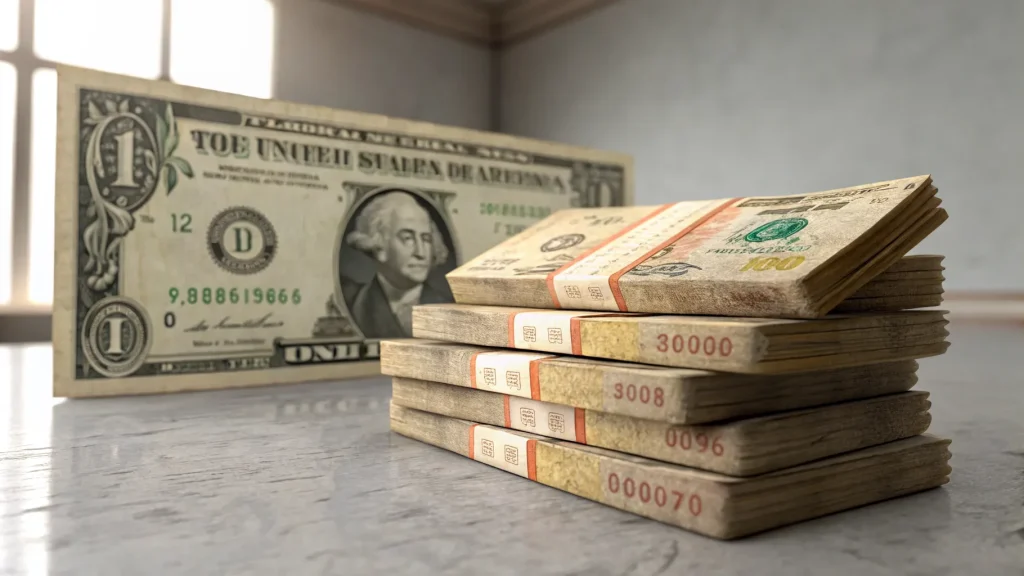
The rupee fell to a record low against the U.S. dollar this week, raising living costs for households and adding pressure on borrowers and import-reliant firms. The slide, which traders say reflects strong dollar demand and global risk jitters, is already showing up in store prices, fuel bills, and monthly loan payments.
Speakers in a recent discussion warned that the strain could linger if currency weakness feeds inflation and forces tighter credit. They urged clear-headed choices by consumers and investors. As one put it, smart planning beats panic every time.
Table of Contents
ToggleWhat Happened And Why It Matters
“Rupee hits an all-time low against the dollar, impacting personal finances with rising costs on products and services, costlier imports, and higher EMIs.”
A weaker rupee makes every dollar-priced item more expensive. India imports most of its crude oil, so fuel and freight costs tend to climb when the currency drops. That can push up prices across the board. If inflation stays firm, lenders may keep rates elevated, squeezing borrowers who face higher equated monthly installments.
Exporters can gain in rupee terms, but many also import parts or services, blunting that lift. The hit lands fastest on households that buy imported goods, parents paying foreign tuition, and travelers who budget in dollars.
How Households Feel It
Consumers face a set of quick knock-ons:
- Imported items such as electronics and medicines get pricier.
- Fuel costs can rise, feeding into transport and food prices.
- Overseas travel and education bills jump when paid in dollars.
- Borrowers risk higher EMIs if rates stay firm to contain inflation.
One speaker summed up the takeaway in plain terms:
“Such a situation requires proper decision-making and long-term investment strategies, highlighting the importance of smart financial planning.”
Winners, Losers, And The Middle
Export-heavy sectors like IT services and some manufacturers may see a currency boost. Their dollar revenues buy more rupees. But firms with dollar loans or imported inputs face a margin squeeze. Airlines, refiners, and electronics makers fall into that camp. Small businesses that rely on imported parts have limited pricing power, so they may cut volume or accept thinner profits.
Household savers get a mixed bag. Gold prices often rise in rupees during currency stress. Overseas funds become costlier to buy. Remittances sent by Indians abroad can stretch further for families at home, offering a cushion for some.
Policy Choices And Market Signals
The central bank can smooth volatility by selling dollars from reserves or tightening liquidity. It tends to move without drama, aiming to avoid sharp swings rather than defend a fixed level. Fiscal choices also matter. Fuel tax decisions and import duties can soften or worsen the pass-through to prices.
Globally, a strong dollar has been powered by higher U.S. yields and safe-haven flows. Local factors—such as trade gaps and oil prices—add to the pressure. With India importing most of its crude, any oil spike fans currency weakness and inflation risk at once.
What Savers And Borrowers Are Hearing
Financial planners say clarity helps more than heroics. They point to steady goals, costs, and cash buffers. While the on-air comments did not offer product picks, the message was steady restraint. Think time horizon, not headlines.
Analysts also warn against taking unhedged dollar loans or leaving big dollar bills to chance. Families paying tuition or medical costs abroad often lock rates in advance. Businesses with foreign invoices use simple hedges to avoid nasty surprises.
What To Watch Next
Markets will track three gauges: crude prices, U.S. policy signals, and the central bank’s actions. If oil cools and inflation eases, pressure on rates and EMIs may lighten. If not, higher costs could linger into the festive quarter.
For now, the headline is simple and sobering. The currency slide is real, and it is hitting wallets. Yet the playbook is familiar: steady budgets, clear priorities, and patience. As one voice put it, long-term strategy beats short-term noise. The next few weeks will show whether policy support and calmer global tides can steady the rupee—or if households must brace for a longer squeeze.