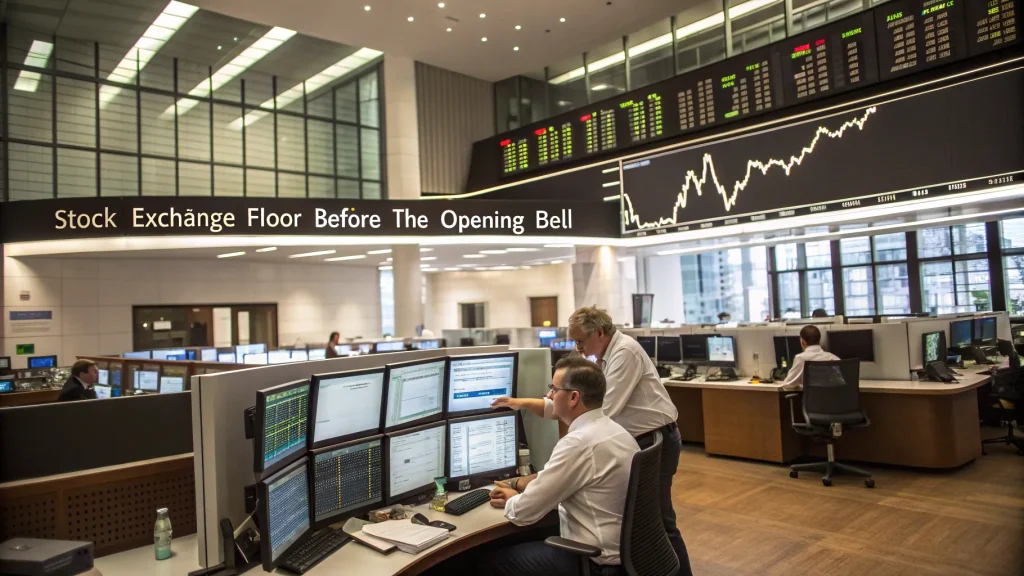
Before the opening bell, a handful of stocks stole the spotlight with sharp gains and losses, setting the tone for the trading day ahead. The premarket action, which runs from 4:00 to 9:30 a.m. Eastern, often previews the stories that will drive volume once regular hours begin. Investors tuned in for clues on earnings surprises, guidance changes, and fresh economic signals that could jolt sectors and indexes.
“These are the stocks posting the largest moves premarket.”
That line framed a brisk rundown of early winners and laggards. The message was simple: pay attention. Big premarket swings can hint at where money is headed and which themes will dominate the session.
Table of Contents
ToggleWhy Premarket Moves Matter
Premarket moves can amplify news. Lower liquidity and wider spreads make price changes look dramatic, but they also reveal where demand is building. A stock up 6% at 7 a.m. may cool by the open, yet the catalyst behind it—an earnings beat, a deal rumor, or a regulatory update—can keep pressure on price and sentiment through the day.
These early shifts also guide institutional desks. Portfolio managers may adjust orders after seeing who is buying, who is selling, and how the tape reacts to headlines. For retail traders, the first look helps set expectations and risk levels.
What Usually Drives Early Swings
Big premarket movers typically share a few triggers. The most common is earnings—numbers that beat or miss, paired with guidance that raises or lowers the bar for the year. Analyst actions can add momentum, especially when target prices move sharply. Mergers and spin-offs change the story overnight. Macro data, like inflation or jobs, can lift or sink entire sectors before sunrise.
- Earnings surprises and guidance shifts
- Analyst upgrades, downgrades, and target changes
- M&A announcements and strategic partnerships
- Regulatory rulings, product approvals, or safety updates
- Macro data releases and interest rate expectations
- Commodity moves in oil, copper, and gold
Each of these drivers can ripple across peers. One bank’s loan-loss outlook can pull financials with it. A chipmaker’s order update can swing the whole semiconductor group.
Reading Signals Without the Noise
The trick is to separate real demand from thin-volume spikes. Traders watch depth-of-book and premarket volume to judge conviction. They also scan for gaps tied to one-off items, like a tax benefit, that may not repeat. If a stock jumps on a headline, they look for confirmation in sector ETFs and futures. When the group moves together, the signal is stronger.
Risk controls matter in this window. Spreads can widen without warning. Stop orders may not behave as expected. Seasoned desks often size smaller before the open and scale into positions as liquidity improves.
Sector Themes and Today’s Setup
Premarket leaders often cluster around the news cycle. During earnings season, tech and consumer names can dominate. When rates are the story, banks and real estate play lead roles. Energy tends to track crude overnight. Healthcare reacts fast to trial results and approval calendars.
In early action, the tone of the market also depends on futures for major indexes. If S&P 500 futures point lower while a stock rallies, that relative strength stands out. The reverse is true for names falling in a strong tape. Those are the stocks where the story is changing.
What Investors Are Watching Next
After the first burst of premarket headlines, attention shifts to conference calls, guidance details, and opening imbalances on the exchanges. Traders evaluate whether early movers can hold gains once liquidity returns. If a name fades quickly at the open, it often signals profit-taking rather than a lasting shift in fundamentals.
Seasonal patterns matter too. Ahead of big data prints or central bank decisions, early rallies can stall as traders hedge. On quieter days, news-driven names can run longer, drawing momentum buyers into the open.
Premarket action rarely tells the whole story, but it offers an early map for the session. The largest movers highlight where attention is most intense and where risk is concentrated. For investors, the takeaway is clear: focus on the catalyst, watch liquidity, and let the open confirm the trend. The next inflection points will come from earnings updates, macro releases, and any surprise deals that hit the wire before dawn.