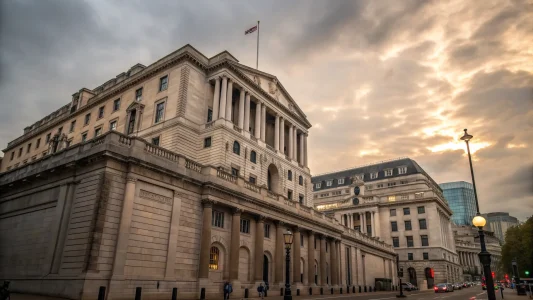
This happened in the UK–but what does that mean for the US? More than a million taxpayers fell foul of the clock last year, (opps!) highlighting rising strain on household finances and the tax system’s capacity to guide people on time. The figure, from HM Revenue and Customs, points to a stubborn compliance gap as the Self-Assessment season returns with familiar pressure points.
The missed filings refer to the annual deadline for Self Assessment tax returns in the United Kingdom. The cut-off usually falls at the end of January and affects millions of people who are self-employed or have untaxed income. HMRC’s snapshot shows the scale of those who failed to file on time and now face penalties and interest.
“More than one million people missed the deadline a year ago,” according to HM (UK) Revenue and Customs.
Table of Contents
ToggleWhat Happened
Each year, HMRC reminds individuals and small business owners to submit returns and pay any tax due. Despite text alerts, email prompts, and widespread media coverage, more than a million still missed the mark last year. The number suggests persistent hurdles, from complex earnings to cash flow problems.
HMRC’s late-filing penalties kick in immediately after the deadline passes. Interest on unpaid tax then compounds the cost. For many, the issue is not only paperwork. It is timing, record-keeping, and planning for a bill that can arrive once income has already been spent.
Why People Miss Deadlines
Accountants point to a few common causes. People with side income often underestimate the admin that comes with it. New landlords can be caught out by the changing rules on property income. Freelancers can misjudge cash set aside for tax, especially after a slow quarter.
Cost-of-living pressures have added to the squeeze. When budgets are tight, tax bills can slip down the list. A surge in gig work after the pandemic also brought more first-time filers, some of whom discover the system only when a deadline looms.
What Does Missing the Deadline Costs
Late filing and late payment are separate problems, and both are expensive. Filing late triggers automatic penalties. Paying late adds interest and further penalties.
- An immediate £100 fixed penalty for missing the filing deadline.
- Daily penalties of £10 per day after three months, up to £900.
- Further penalties after six and 12 months, often £300 or 5% of the tax due, whichever is higher.
- Interest is charged on late tax payments, plus separate late-payment penalties at set intervals.
For someone with a modest liability, these extras can turn a manageable bill into a long-term headache.
Pressure Points Inside the System
HMRC’s digital services now handle most returns online, which speeds up processing. Yet peak demand can strain call centers and web guidance. Tax advisers say many queries arrive in the last two weeks of January, when errors hurt most and backlogs are hardest to clear.
A coming change may ease or complicate matters, depending on execution. Making Tax Digital for Income Tax, a long-planned shift to more frequent digital reporting, is scheduled to begin for some taxpayers from April 2026. Supporters argue that quarterly updates can reduce year-end surprises. Critics warn it adds admin for very small businesses without solving cash flow.
What Taxpayers Can Do Now if you missed in the UK vs US
There are ways to limit damage if a deadline looks shaky. Filing the return even if payment is not ready stops further filing penalties. Setting up a Time to Pay arrangement with HMRC or the IRS–can spread the cost and reduce stress. Keeping simple, real-time records throughout the year cuts January panic.
Taxpayers with complex income should ask for help early. That includes those with overseas earnings, dividend income, property, or capital gains. Clear records and early questions save money. Leaving it late rarely does.
What This Means for the Year Ahead
The one-million-plus figure is a warning that reminders alone are not enough. Better planning and clearer guidance will matter as more people shift into self-employment and side work. The rise of platform income and rental markets is not slowing, and neither are the obligations that follow.
HMRC will likely double down on nudges, online tools, and payment plans as deadlines approach. Taxpayers who act early will avoid the costliest charges and the January rush. The rest risk joining a group that already numbers in seven figures.
The takeaways are simple. Know the deadline. File even if you cannot pay in full. Use payment plans when needed. And keep records that make next January less dramatic than the last.