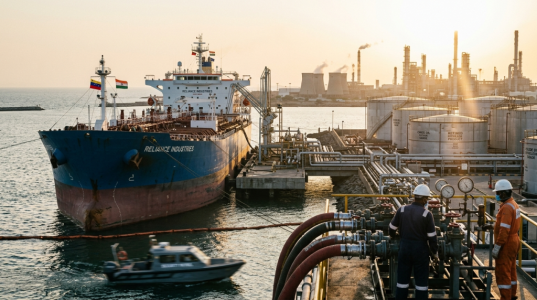
Amancio Ortega’s family office moved deeper into infrastructure this week, agreeing to acquire a minority stake in a major UK port operator from a global asset manager. The office will buy 49% of PD Ports from Brookfield Asset Management for an undisclosed sum, adding a critical logistics asset in northern England to its growing portfolio.
The deal gives Ortega’s investment vehicle a large foothold in a key supply chain hub while keeping Brookfield as the controlling owner. It arrives as port operators in Britain face shifting trade flows, tight capacity, and fresh investment needs. The price was not shared by either party.
“Inditex SA founder Amancio Ortega’s family office agreed to buy a 49% stake in the UK’s PD Ports from Brookfield Asset Management for an undisclosed amount.”
Table of Contents
ToggleWhy This Deal Matters
PD Ports operates a network of UK assets, including Teesport, one of the country’s largest ports by volume. The site handles container traffic, bulk cargo, and project shipments that serve manufacturing and energy supply chains across the North East. A 49% sale signals a long-term partnership model between a deep-pocketed family office and a specialist infrastructure owner.
For Ortega’s vehicle, which has focused on prime real estate and steady cash-yielding assets, a port adds a hard-to-replicate asset tied to trade and industry. For Brookfield, selling a minority stake can recycle capital while retaining control and operational direction.
Background on the Buyers and the Asset
Amancio Ortega is best known as the founder of Inditex, the fashion group behind Zara. His family office has, in recent years, increased its exposure to infrastructure and logistics, favoring assets with long leases, inflation-linked terms, and stable tenants. Such holdings can provide steady income that is less volatile than retail or office rents.
PD Ports has been central to efforts to revive industrial activity around the River Tees. Teesport supports automotive parts, construction materials, and renewable energy components. Its location near key road and rail lines lets shippers bypass congested southern gateways, which became more relevant after pandemic-era bottlenecks and post-Brexit trade adjustments.
What the Stake Signals for UK Infrastructure
The transaction reflects a wider shift. Family offices have been joining pension funds and sovereign funds in bidding for core infrastructure. The appeal is clear: predictable cash flows, inflation protection, and diversification from equities and bonds.
- Family offices seek assets with long-term income.
- Port operators need capital for dredging, equipment, and green upgrades.
- Co-investment lets sellers keep control while sharing risk.
Ports also face new demands. Shipping lines are consolidating. Carbon rules are tightening. Operators must invest in shore power, cleaner equipment, and digital systems. A new shareholder with patient capital may speed these upgrades.
Industry Reaction and Next Steps
People close to UK logistics say the move could draw more private capital to regional ports, which have been competing for container and bulk volumes. If PD Ports accelerates investment, rivals may respond with their own upgrades to cranes, berths, and rail links. That can lift service levels across the sector.
Yet risks remain. Trade volumes can swing with energy prices, steel production, and consumer demand. Inflation has raised project costs, and higher interest rates can weigh on returns. Minority stakes also depend on clear governance, so an aligned strategy between Brookfield and Ortega’s office will matter.
What to Watch
Key markers in the months ahead include any announced capex plans at Teesport, changes to service offerings, and environmental commitments, such as shore power timelines. Shippers will watch turnaround times and reliability. Local leaders will look for job growth and training programs tied to port expansion.
If the partnership unlocks faster investment, PD Ports could strengthen its role in automotive parts, clean energy components, and construction materials. If economic headwinds persist, the focus may shift to resilience and cost control rather than expansion.
The sale of 49% of PD Ports gives a seasoned infrastructure owner a new partner and adds a durable UK asset to one of Europe’s most watched family offices. The headline number is undisclosed, but the message is clear: long-term capital still sees value in ports. The next chapter will be written in cranes, rail sidings, and ship calls—where execution will matter far more than the price tag that stays off the page.