I am Taylor Sohns, CEO of LifeGoal Wealth Advisors, a Certified Investment Management Analyst and a Certified Financial Planner. I focus on how geopolitics and markets meet your wallet. Tension around the Strait of Hormuz has spiked. Reports of attacks on oil tankers raise the chance of a price shock that could hit everything from gasoline to groceries. In this piece, I explain the pressure points, the proposed responses, and how this could move energy prices and the broader economy.
Table of Contents
ToggleWhat Happened And Why It Matters
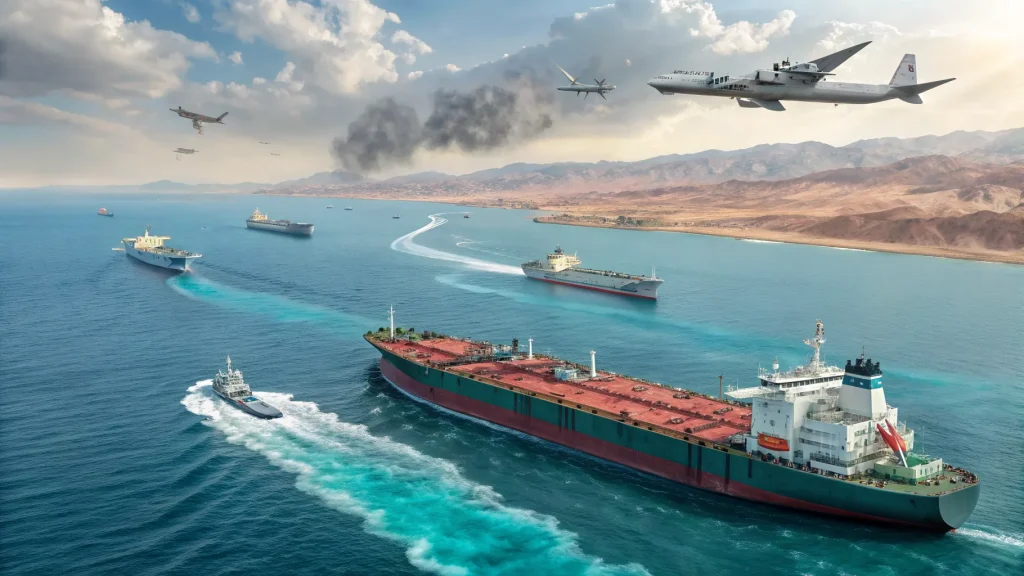
The Strait of Hormuz is a narrow waterway at the mouth of the Persian Gulf. It is one of the most important shipping lanes on earth. On many days, it carries a large share of the world’s seaborne oil exports. That includes crude from Saudi Arabia, Iraq, the United Arab Emirates, and Kuwait, along with condensate and liquefied natural gas from Qatar. It is not limited to Iranian oil.
Disruption here can move prices fast. Energy feeds transportation, manufacturing, farming, and logistics. When oil jumps, costs ripple through supply chains and reach checkout counters.
Oil is the lubricant to the global economy.
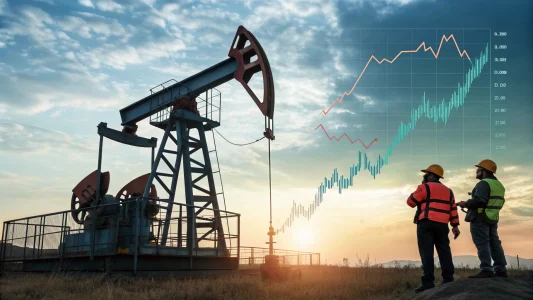
There are reports of multiple tankers being attacked and insurance for voyages through the area being withdrawn or priced at extreme levels. The goal of such strikes is simple: push crude higher, perhaps even toward $200 per barrel, and squeeze the global economy. At that level, U.S. gasoline could approach $7 per gallon in some regions, especially where taxes and refining costs are high. That is not a precise forecast, but it gives a sense of the stakes.
View this post on Instagram
Iran’s Likely Playbook
Iran holds leverage because of its geography. It sits on the northern side of the Strait. Threats to shipping raise insurance costs, deter crews, and slow traffic. Even the threat of mines or drones can sideline ships until navies sweep the area.
The strategic aim is pressure. Higher oil prices can strain global growth and split allied governments. Inside Iran, leaders also benefit from higher crude revenue if exports continue through sanctioned or gray channels.
Pablo didn’t let competitors use his outs, and Iran is not letting people use the Strait of Hormuz.
This analogy captures intent: control the chokepoint, cut rivals off, and force trade to pay up. But there are limits. Gulf producers can reroute some barrels by pipeline to ports that avoid the Strait, though not all. Saudi Arabia’s East–West Pipeline to the Red Sea and the UAE’s pipeline to Fujairah give partial relief, but combined capacity does not replace the full flow that usually passes through Hormuz.
Proposed Countermeasures Taking Shape
Two immediate tools have been floated or used in past crises: naval escorts and insurance backstops.
Naval escorts aim to deter attacks and rapidly respond if a ship is hit. In the late 1980s, “Tanker War,” the United States reflagged Kuwaiti tankers and escorted them through the Gulf under Operation Earnest Will. That move reduced the rate of attacks and signaled a commitment to keep commerce moving. A similar convoy model could return if risk stays high.
Insurance is the second tool. When underwriters pull coverage or set war-risk premiums sky-high, ships cannot enter the zone. Reinsurance or government backstops can keep coverage in force so cargoes sail. If the United States or a coalition steps in as a reinsurer of last resort, it helps stabilize flows and calms freight markets.
There is also talk of a large emergency oil release by a coalition of countries aligned through the International Energy Agency (IEA). A figure of 400 million barrels has been floated. To size that, global demand is near 100 million barrels per day. A 400-million-barrel release equals about four days of global use. No one would dump it at once. A staggered draw could add several million barrels per day for weeks or months, buying time for escorts, repairs, and routing fixes. According to the plan described, the United States would supply about 43% of the release from its Strategic Petroleum Reserve (SPR), with other countries supplying the rest from their emergency stocks.
How Price Shocks Build
Oil does not trade in a vacuum. Disruption in a chokepoint adds risk on top of supply and demand. Here are the mechanics that can drive a spike:
- War-risk insurance surges. A voyage through a hot zone can carry a premium that adds several dollars per barrel to delivered cost.
- Freight rates jump. If some ships refuse to sail or reroute, available capacity shrinks. Charter rates rise and so do delivered prices.
- Cargoes reroute. Pipelines to bypass Hormuz help, but not enough to offset a full blockage. Longer routes add time, cost, and strain on tanker availability.
- Inventories draw. Refiners tap onshore storage to smooth supply. If draws persist, wholesale prices lift to attract replacement barrels.
- Financial markets price the risk. Futures markets pull forward expected shortages, often driving near-term contracts higher than later ones.
At the pump, the pass-through depends on crude prices, refining margins, distribution costs, and taxes. While every region differs, a sustained move to $200 crude could lift average U.S. prices into the $6–$7 range, with coastal and high-tax areas at the top of the range. Diesel would also climb, raising shipping and food costs.
The Economic Stakes
Energy shocks often slow growth by squeezing consumers and businesses. The inflation impulse arrives fast. Central banks then face a hard choice: fight inflation with higher rates or look through a supply shock to support growth. Either choice has trade-offs.
Here is how a $150–$200 crude window could filter through:
Households spend more on fuel and utilities. Discretionary spending falls. Retailers and restaurants feel it first. Travel slows, especially price-sensitive trips by car or air. Airlines face higher jet fuel bills. Trucking passes diesel costs through to shippers, then to stores, then to shoppers. Agriculture spends more to run equipment and move goods. Corporate margins compress unless firms raise prices. That can extend the inflation cycle.
For markets, sector effects can be sharp. Energy producers, oil services, and midstream firms often benefit from higher prices and wider spreads. Airlines, logistics, chemicals, and some industrials can lag. Inflation-linked bonds may outperform nominal bonds if inflation expectations rise. Rate-sensitive areas can wobble if central banks tighten or keep policy tighter for longer.
What Can Work And What Might Not
History shows what helps during maritime energy crises:
Escorts reduce the frequency and success of attacks. They do not eliminate risk, but they cut it and improve response times. Reflagging and convoys also help insurers restore coverage. Emergency stock releases cap extreme spikes if they are large, credible, and quick. Clear communication from governments matters. Markets calm faster when they see a plan and a timeline.
What does not work well is piecemeal action. Small releases or slow deployments signal hesitation. Uncoordinated moves by individual countries can push cargoes around without adding supply. Mixed messages leave traders guessing and can add volatility.
How Long Can This Last?
Blockades and attack campaigns often face real limits. They are costly to sustain. They invite outside military pressure. And they spur workarounds like pipeline bypasses and convoy systems. In prior cases, acute phases have lasted weeks to a few months before easing.
Iran also faces constraints. Prolonged disruption risks retaliation, tighter sanctions, and internal strain. Oil producers in the Gulf and outside the region have incentives to stabilize flows. Some spare capacity may come online, though ramp-ups take time. U.S. shale can respond, but not overnight. Drilling, completion, and supply chain lags mean months, not days.
Could oil hit $200? It is possible in a short-lived panic if traffic halts and insurance dries up. Sustaining that level is harder. Once escorts form, insurance backstops arrive, and stocks release, the acute premium tends to fade. Prices can remain elevated if damage is severe or attacks persist at a lower pace.
Practical Steps For Households And Investors
As a planner, I think in terms of control. You cannot control geopolitics. You can control preparation.
- Budget for higher fuel costs. If you commute by car, build a cushion for a few months.
- Look at energy use at home. Small changes in heating, cooling, and driving habits add up.
- Review portfolio exposure. Large, concentrated bets can be painful in either direction during a shock.
- Consider inflation protection. Assets tied to inflation can help if prices run hot for longer.
- Avoid chasing spikes. Buying late, in a panic, or selling at the lows is a common mistake.
Keep perspective. Threats to Hormuz are serious, but policy tools exist. The key is speed, scale, and coordination from governments and industry.
Key Points To Remember
- The Strait of Hormuz is a major oil chokepoint for many Gulf producers, not just Iran.
- Attacks or threats can drive oil sharply higher by disrupting shipping, insurance, and freight.
- Gasoline near $7 per gallon is possible if crude tests $200, though outcomes vary by region.
- Proposed responses include naval escorts, reinsurance backstops, and a large IEA-led stock release.
- Past crises show coordinated, fast action can cap extreme price spikes and restore flows.
- Households and investors should plan, not panic, and avoid impulsive trades during a squeeze.
The Strait of Hormuz sits at the heart of the energy trade. A flare-up there can hit wallets fast. We may see escorts, insurance backstops, and emergency stock draws rolled out to cool the market. These tools have worked before. Oil could still spike in the short run if ships pause or insurers balk. My recommendation is simple: prepare for higher fuel costs, keep portfolios balanced, and watch for signs of coordinated action. If governments move quickly and in unison, the worst price paths become less likely.
Frequently Asked Questions
Q: How much oil actually moves through the Strait of Hormuz?
A large share of the world’s seaborne crude and condensate normally passes through Hormuz from producers such as Saudi Arabia, Iraq, the UAE, and Kuwait, as well as LNG from Qatar. The exact amount varies by month, but it is often in the double-digit millions of barrels per day.
Q: Would a strategic oil release make a real difference at the pump?
It can help. A sizable, coordinated release adds barrels when buyers fear shortages. That can cool wholesale prices and narrow refining margins. The effect on retail prices depends on the scale, duration, and whether shipping normalizes. It is not a switch, but it can cap extreme moves.
Q: What signs should I watch to gauge if the crisis is easing?
Look for announcements of naval escort formations, the return of insurance coverage at lower war-risk rates, evidence of tankers transiting without incident, and confirmation of coordinated stock draws. Calmer futures spreads and falling freight rates are also good signals that supply chains are healing.